One basket can create several cross-border commitments
A shopper buys a blue phone case from one merchant and a charging cable from another. The case ships tomorrow; the cable has a different origin, dispatch window and return address. One checkout should not turn those separate commitments into a single delivery promise. The buyer needs to see which item belongs to which seller and what happens when only one parcel arrives.
AliExpress-style development describes an independently branded consumer marketplace for international seller offers and parcel orders. It does not supply AliExpress affiliation, proprietary software, seller accounts or inventory. The buying decision is whether the proposed product can preserve an exact offer through payment, split fulfillment and an unresolved after-sales case.
Choose consumer retail before borrowing wholesale features
Consumer retail starts with a priced offer, a selected quantity and a delivery destination. Wholesale sourcing often begins with minimum quantities, supplier quotations and negotiated trade terms. Decide which transaction your team will operate before asking for catalogs, messaging and checkout: the same screens can hide very different support obligations.
For quotation-led bulk purchasing, compare the Alibaba-style sourcing scope. Keep consumer parcel returns and seller-order checkout explicit in this retail brief rather than inheriting a wholesale negotiation flow.
Bind the selected SKU variant to a seller offer
A product image is not an offer. Record the selected SKU variant, size or color, quantity, merchant, ship-from location and displayed terms. Changing a variant may change price, stock and destination eligibility. A basket must not retain the blue variant’s price after the shopper chooses an unavailable red variant.
Agree whether stock comes from the merchant workspace or a confirmed feed, how stale updates are shown and when quantity is reserved. Recheck at checkout and preserve the accepted offer snapshot when the order is created. Later edits to a description or seller price must not rewrite what the shopper purchased.
Localize the offer without concealing its meaning
Translate measurements, compatibility details, safety instructions and delivery conditions with a review process appropriate to the category. Keep the original merchant description accessible where useful and flag unresolved translation issues. An automatic translation should not invent a certification, warranty or material specification.
Show seller identity and the responsible support route alongside the offer. Display currencies clearly and distinguish a display conversion from the currency charged. Product reviews and merchant ratings need moderation and provenance; neither establishes authenticity or destination suitability. Define reporting, correction and appeal ownership for misleading listings.
Expose seller orders inside the shared basket
Group lines by merchant, with subtotals, shipping methods and any applicable promotion allocation. Explain whether the basket is accepted together or seller orders can succeed independently. A shopper must be able to understand a rejected seller order without guessing which items were actually paid for.
Test a changed price, unavailable SKU and ineligible destination after a line enters the basket. Agree what happens if payment succeeds while one seller order fails to form. Keep payment attempts and order identifiers linked so a retry does not create duplicate charges or duplicate merchant commitments.
Disclose landed cost before the shopper accepts
Show merchandise, shipping and reviewed destination charges with their currencies and calculation basis. Identify estimates and costs that may be collected separately, including any applicable import or handling charges. Avoid presenting an incomplete total as an all-inclusive landed cost. A changed destination or shipping origin should trigger a fresh review.
The European Commission guidance on goods bought online explains customs considerations for goods entering the EU from outside it. Use the current destination rules with qualified tax and customs reviewers; this example is not a global calculation method. Define who supplies classification and origin data, maintains rules and handles an unavailable calculation service.
Track split shipments through the customs handoff
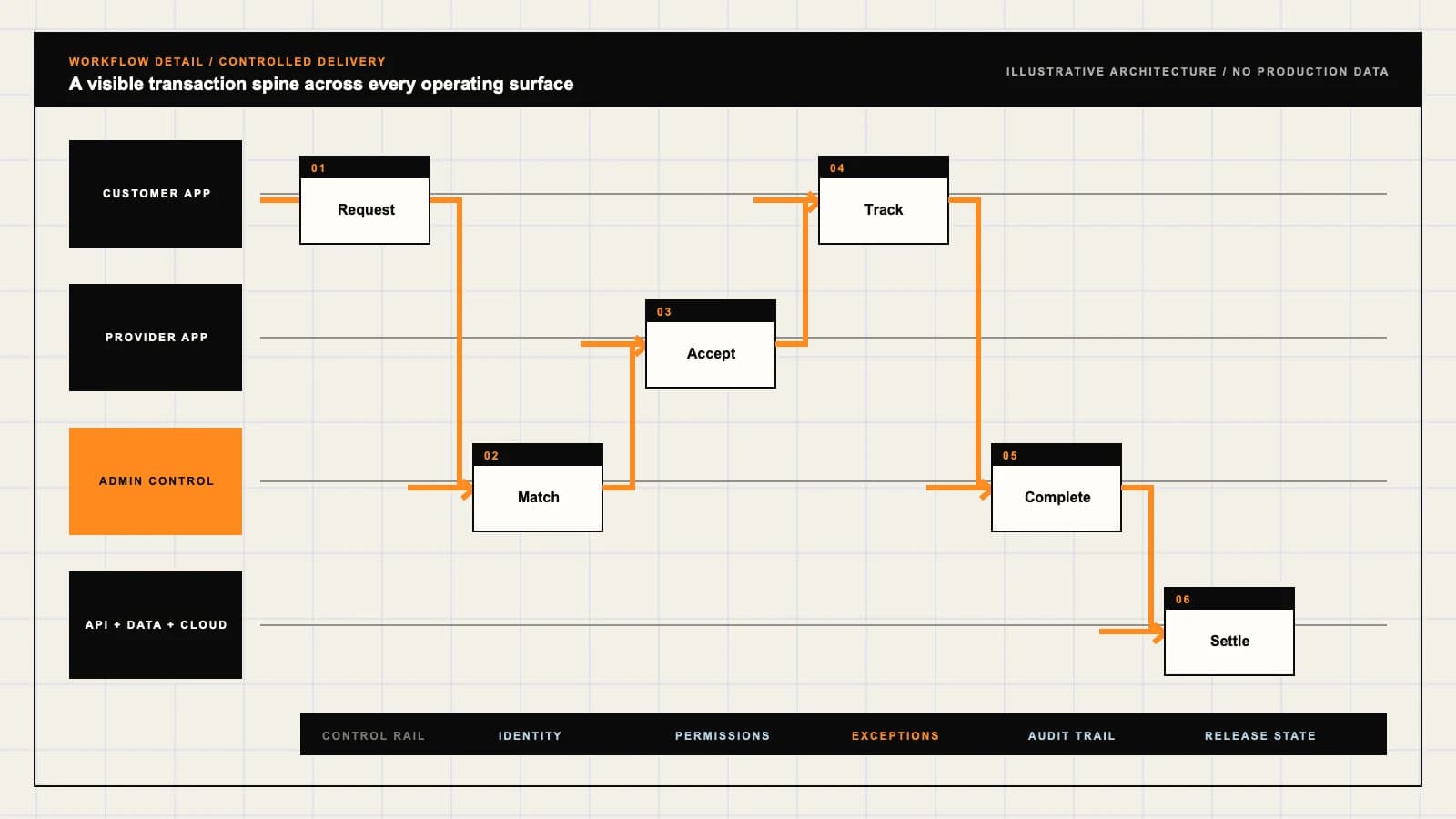
Associate each parcel with its seller order and item quantities. A merchant marking an order dispatched, a carrier accepting a parcel and a customs authority releasing it are distinct events. Show event source and freshness, and keep an unknown status visible when tracking stops updating. A label created event does not prove carrier possession.
Name who supplies declaration data, responds to missing documents and informs the shopper about a held parcel. Do not infer customs clearance from a generic in-transit status or promise a universal delivery date. Provider access, supported routes and status coverage need confirmation, with a manual support path when the integration cannot explain an exception.