A reasoning workspace should produce evidence a reviewer can challenge
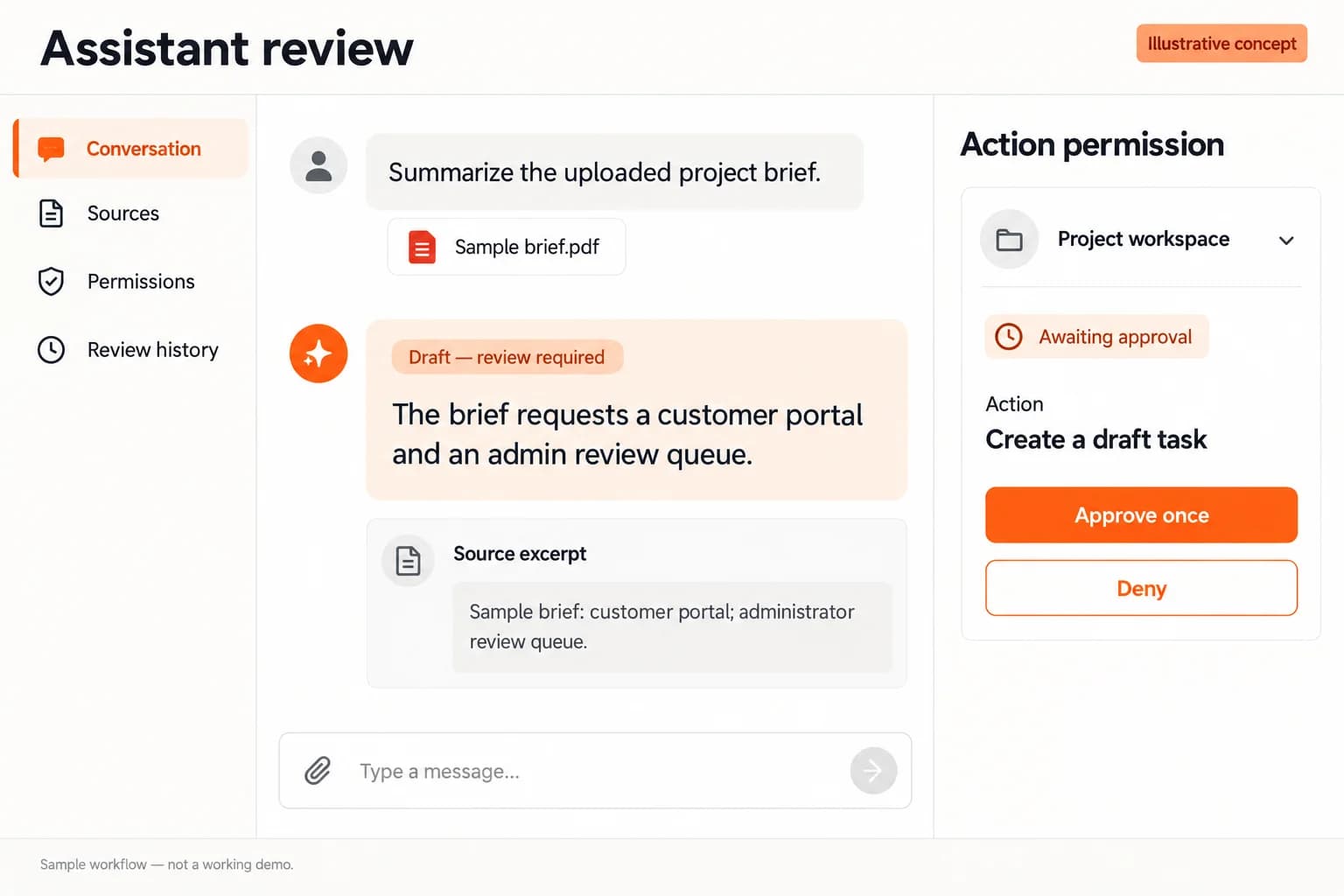
An engineer asks why two reconciliation reports disagree. The model produces a persuasive explanation, but one cited document describes a different reporting period. A DeepSeek-style reasoning workspace must make that error inspectable. The useful artifact is a qualified answer connected to the permitted inputs, selected model route and checks that support it. A long response or confident narrative does not establish that the underlying conclusion follows from the available evidence.
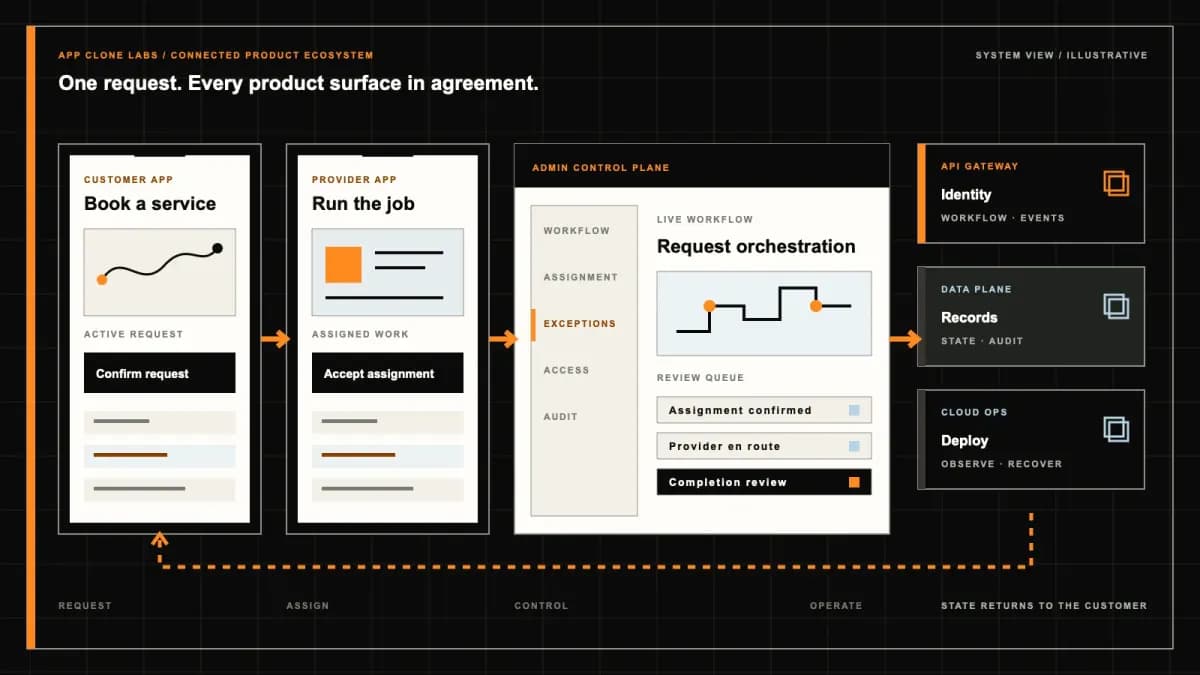
App Clone Labs scopes independently branded software for bounded research and engineering tasks with explicit review. The reference does not include DeepSeek affiliation, guaranteed inference access or validated performance on the buyer’s workload. Choose a question the team can evaluate and a reviewer who owns acceptance. Generated analysis remains a proposal until its sources, assumptions and relevant calculations have been examined; a workspace cannot manufacture missing facts by displaying more progress text.
Model routing needs a visible capability and data decision
The official DeepSeek thinking-mode documentation distinguishes reasoning-related output from final response content and describes request behavior. This supports a narrow integration reference, not a promise that every model host or version exposes identical fields or capabilities. Verify the selected endpoint before implementing route-specific behavior.
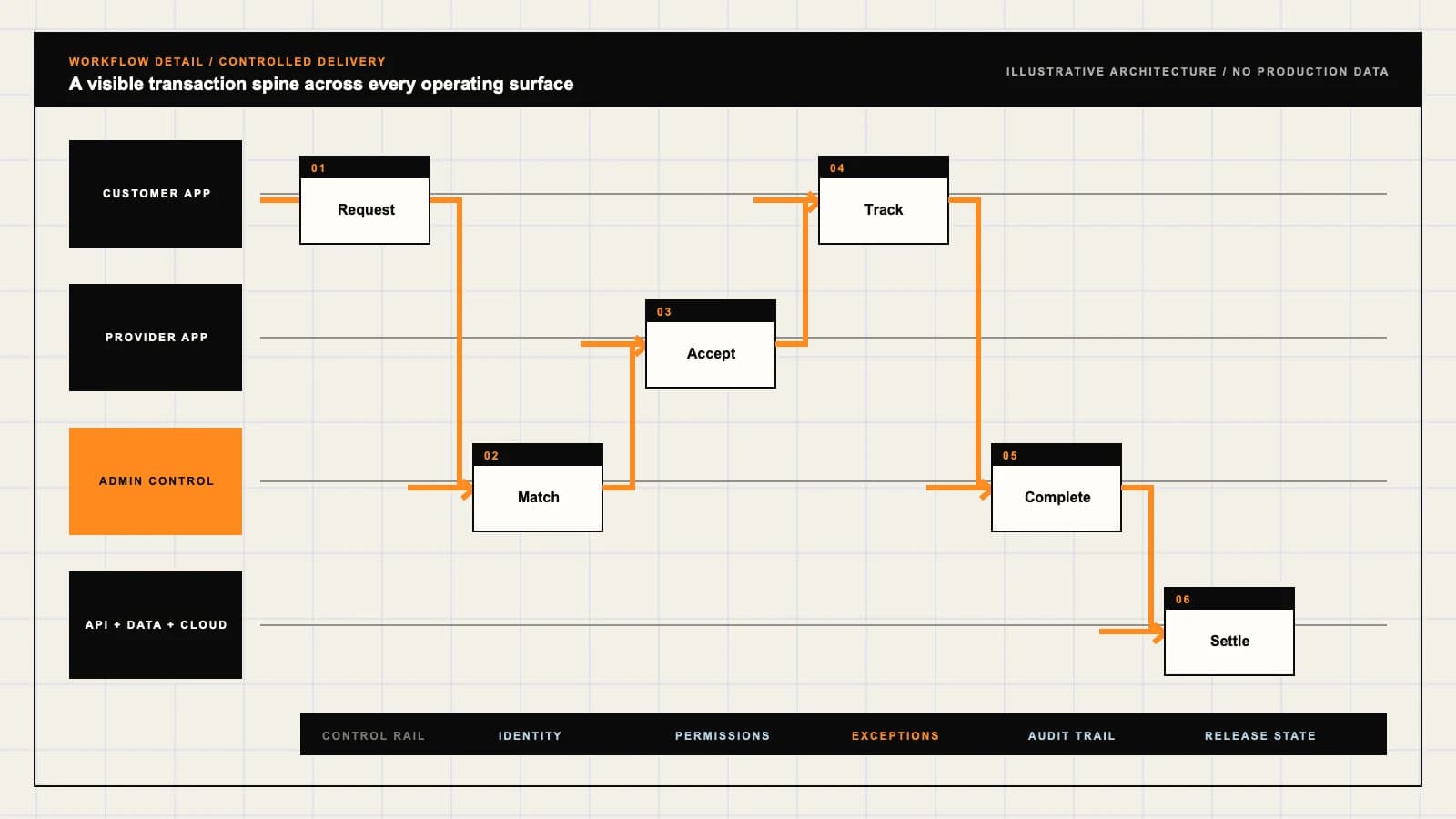
Record the provider, model identifier, relevant configuration and supported features for each run. A route suitable for short drafting may differ from one selected for a difficult analytical task. Explain any fallback before sending context to another provider, particularly when privacy rules differ. Rehearse an unavailable endpoint and a request for an unsupported feature. A graceful failure can preserve the task and inputs without silently widening access. Route selection should remain attributable when a reviewer later compares an answer with a different model configuration.
Separate progress signals from final answers and useful explanations
Give each run a clear pending, streaming, completed, interrupted or canceled status. Partial text must not appear as an accepted final answer merely because the connection ended. Keep provider protocol fields distinct from the user-facing artifact. Present concise evidence-based explanations, assumptions and cited support; do not expose hidden reasoning, sensitive training data or raw internal deliberation as a transparency feature. Reviewers need reasons they can verify, not an apparent transcript of thought.
Decide which operational metadata is retained and who can access it. Diagnostic records can contain submitted context even when the final answer does not. Rehearse a disconnect before the final response, an empty final answer and a malformed structured result. The interface should preserve the observable failure and support a deliberate retry. It must not join fragments from unrelated runs into a polished answer that obscures which response actually completed.
Token and cost budgets should bound the actual run
Set limits for input size, generated output, elapsed time and spending under the chosen provider’s supported controls. Explain how reported usage maps to the workspace’s charges, including relevant categories beyond the visible final answer. A short answer can still come from an expensive request. Show consumption by run and distinguish estimated usage from confirmed billing evidence. Do not invent a fixed price or promise identical cost across model routes.
Define what happens when a budget ends mid-request and how cancellation affects work already accepted by the provider. Retries need their own identity and accounting instead of disappearing into the original attempt. Rehearse a timeout followed by delayed usage reporting and a member reaching a workspace cap during a long task. Preserve the incomplete artifact and actual status. The administrator should understand the cost before authorizing another attempt, without assuming that cancellation always means zero provider charges.
Context boundaries belong in the task record
Select files and retrieved material for the stated purpose, applying the member’s current access before transmission. Keep credentials outside prompts and use fictional or minimized records for demonstrations. A large context allowance does not justify uploading an entire repository or document archive. Explain what was included, omitted, redacted or truncated so the reviewer can judge whether the model had enough evidence to address the requested question.
Separate persistent project knowledge from context chosen for one run. Recheck permissions when a source is retrieved rather than trusting access granted during an earlier conversation. Rehearse a removed team member, an oversized attachment and a source whose owner withdraws sharing. The workspace should retain an appropriate record of the decision without reproducing private contents in routine notifications. A successful retrieval is not permission to reuse the material for another project or send it to a newly selected provider.
Retrieved sources need provenance and claim-level review
Keep a source identifier, relevant version and retrieval context with the answer. Distinguish a quoted passage from the model’s inference, and let the reviewer inspect the material that allegedly supports a claim. A citation pointing to an accessible document does not prove the conclusion is present there. Show missing, conflicting or stale evidence rather than converting a retrieval result into an automatic endorsement of the generated answer.
Define how updated documents affect existing artifacts. An earlier answer should retain its original evidence record while a new run may use revised material. Rehearse two sources disagreeing about a cutoff, a citation referring to an unrelated paragraph and an injected instruction inside an uploaded document. Treat retrieved text as evidence to evaluate, not authority to change workspace policy or approve actions. Reviewers need a supported way to reject the claim while preserving the useful parts of the analysis.
Artifacts should preserve assumptions and review outcomes
Agree the desired output before generation: a structured comparison, proposed explanation, calculation summary or draft technical note. Save the artifact with its task, model route, source references and completion status. Keep reviewer annotations separate from generated text so a later revision cannot impersonate an expert’s approval. Export should identify open questions and unresolved disagreements instead of presenting every saved response as a verified finding.
Version corrections and preserve the relationship between the original answer and its replacement. Rehearse a reviewer changing an assumption after a calculation and a member exporting an outdated artifact. The receiving team should know which version was accepted and which checks applied. Sharing an artifact must not expose unrelated conversation history or private attachments. Define access, retention and deletion for exported records honestly; revoking an online link cannot recall a file already downloaded by an authorized recipient.