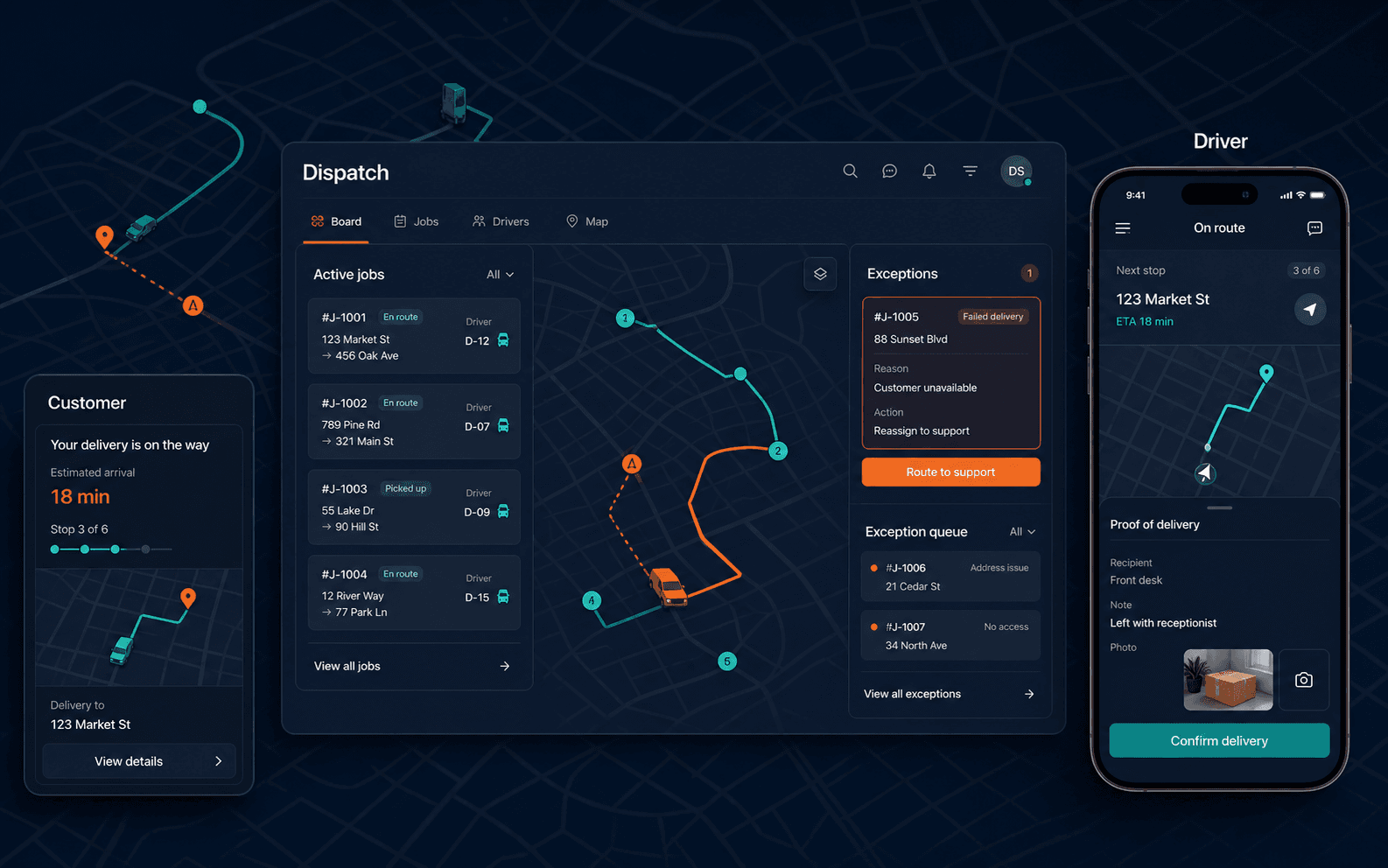
One country’s fee change must not rewrite another country’s orders
A country manager updates a delivery fee while a neighboring market is closing yesterday’s merchant settlement. The new fee should affect eligible future orders in the intended country; it should not change the other market’s checkout or yesterday’s deductions. A Delivery Hero-style multi-market delivery platform earns its usefulness at that boundary: shared capabilities, local ownership and evidence that each change reached only the intended operation.
The buyer brief is an independently branded marketplace for groups coordinating regional merchants, fleets and customer service. Country brands may share ordering software while using different catalogs, policies and collecting entities. The reference name describes an operating category. It supplies no affiliation, inherited merchant network, existing riders, proprietary software or permission to operate under another company’s brand. Start by defining the countries and responsible entities you can actually support.
Build a country operating matrix before a global dashboard
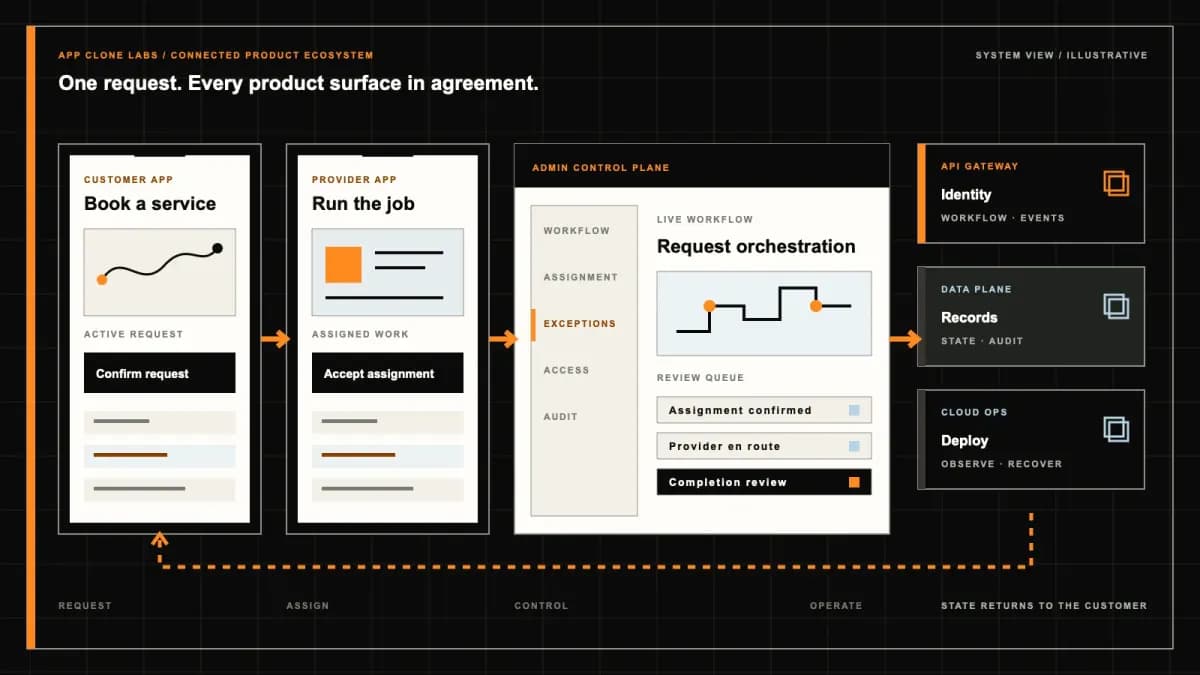
Put each launch market on a row with its brand, legal entity, language, currency, customer support owner, merchant agreement and delivery responsibility. Name which decisions belong to the group and which require a country approver. A shared dashboard without this matrix can make an administrator appear authorized to change prices or issue refunds wherever an order is visible. Specify read access and action authority separately, including any approved group oversight role.
The Delivery Hero company overview describes a network of local brands and the roles of restaurants, vendors and riders. That is the category reference for this brief; the configuration and operating recommendations here are proposed requirements for your own organization, rather than a claim about Delivery Hero’s internal implementation.
Give central configuration a controlled local override
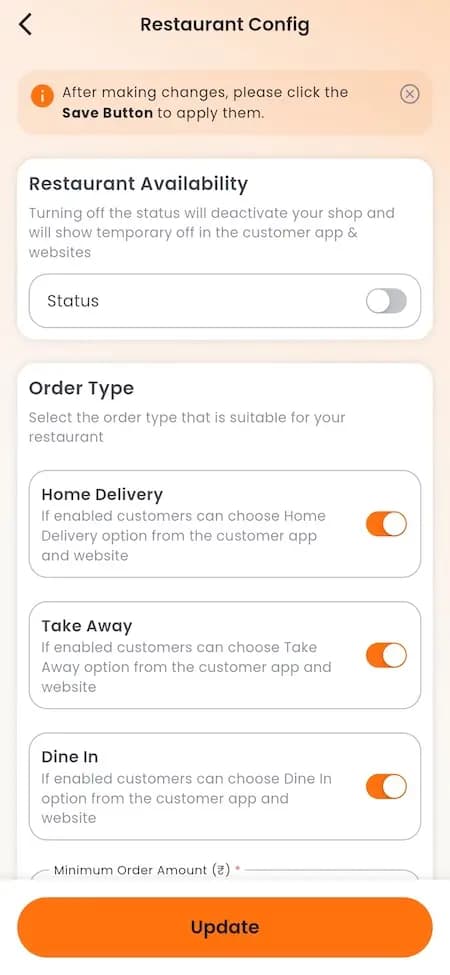
Treat a shared checkout or order lifecycle as a product capability, then make country rules explicit inputs. Local overrides might cover supported fulfillment modes, eligible item categories, fee labels, opening calendars and address requirements. Avoid a growing collection of invisible exceptions that only the original developer can explain. An operator should be able to see the effective settings for an outlet and why they differ from the group default.
Preview a change against representative orders before publication. Record its author, approver, intended markets, effective time and previous version. Decide which settings attach to an order at checkout and which remain live operational inputs, such as a temporary service-zone closure. Rollback should restore approved configuration for new activity while preserving the policy snapshots already attached to accepted orders.
Localize catalogs and checkout beyond translated labels
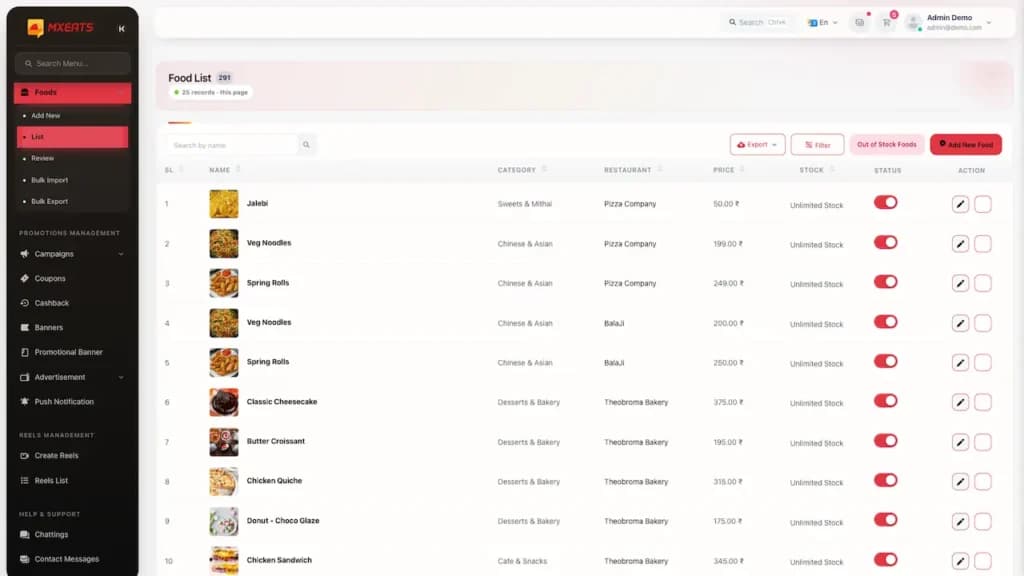
An outlet belongs to a market, service area and operating agreement. Its menu needs local item names, options, availability, prices and the information required by the agreed food policy. A centrally maintained merchant group may have multiple outlets, but an item eligible in one country should not automatically appear in another. Define who approves catalog changes and how a point-of-sale update reaches the customer-facing listing.
Test the full checkout in the actual language and address format, including validation messages, receipts, support contact and cancellation explanation. State whether an amount includes or excludes the reviewed tax components. Show delivery responsibility and the fee breakdown before commitment. If a customer changes country or location, re-evaluate catalog and service eligibility; carrying an old basket into a different market needs an explicit resolution.
Keep currency and tax decisions attached to the transaction
Store monetary amounts with their currency and the agreed precision. Define rounding at line item, discount, fee and final total boundaries, then use the same calculation evidence in the receipt and merchant settlement. A country switch must not simply relabel a numeric balance. Where group reports convert amounts, identify the reporting currency, conversion source and observation time separately from the original financial record.
The Stripe currency documentation distinguishes presentment currency from settlement currency and documents minor-unit formatting. This is a concrete integration concern to verify with the selected local provider, not an assumption that Stripe or any single account supports your launch countries. Have qualified owners review the applicable tax treatment and invoice obligations; configurable fields do not establish legal approval.
Separate collecting accounts from merchant settlement authority
Name the entity collecting the customer payment and the entity owing the merchant. For every market, map order proceeds, commission, promotion funding, refunds, disputes and payout timing to an agreed ledger treatment. A merchant statement should explain deductions and hold reasons at order level. Keep a settlement preview distinct from an approved payout and a provider-confirmed transfer; a positive dashboard balance alone proves none of those events.
Restrict approval and export permissions to the intended financial boundary. Rehearse an outlet with similar identifiers in two countries and verify that an export, refund or settlement action cannot cross into the wrong entity. Assign ownership for a missing callback or mismatched bank result. Reconcile against provider records before retrying an uncertain transfer, and retain the approval evidence needed to explain a later merchant dispute.
Choose fleet ownership before choosing dispatch screens
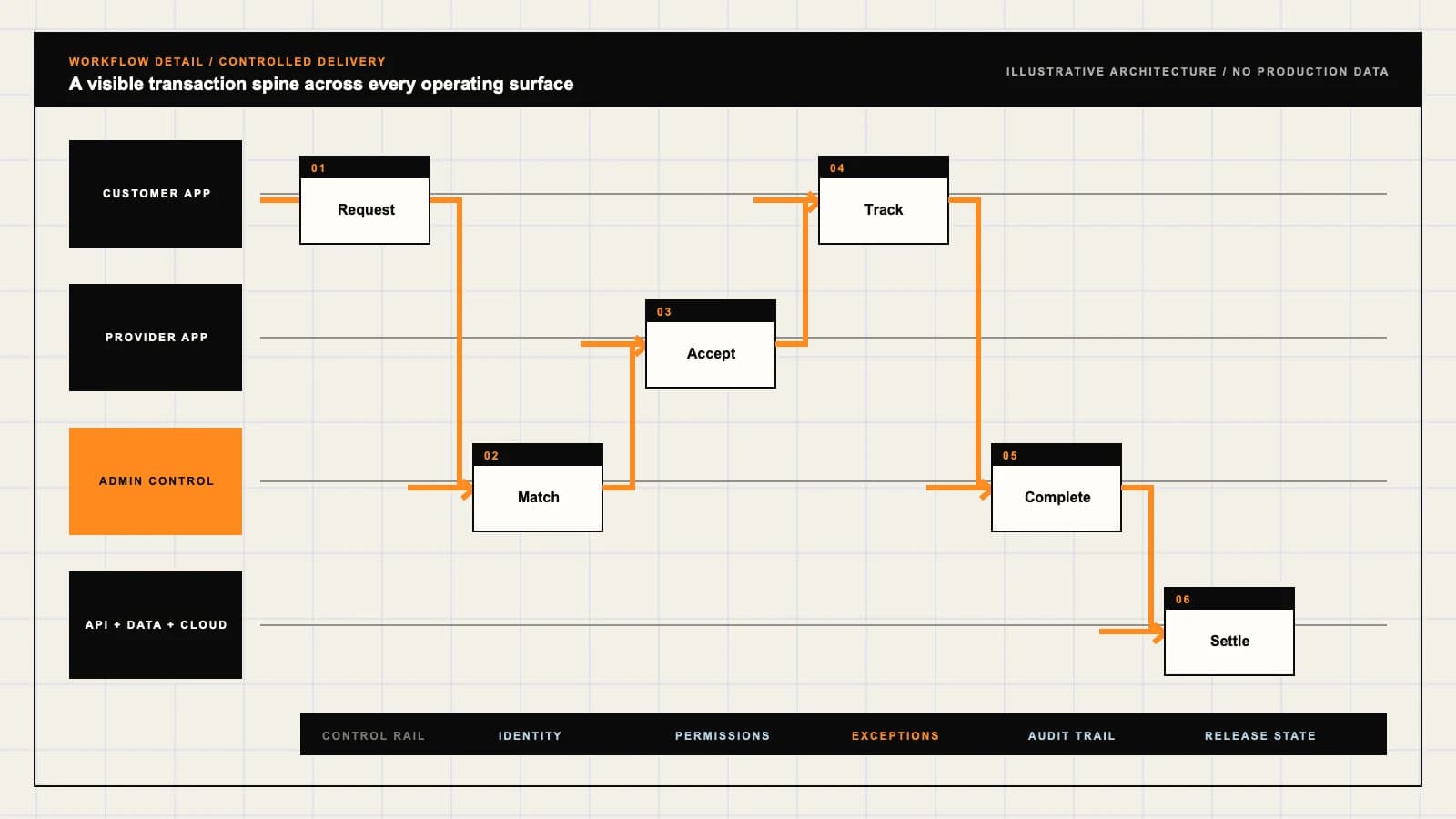
A platform-managed fleet, merchant delivery team and third-party logistics partner require different assignment authority. Specify who accepts a job, who can reassign it, who records completion and who responds when nobody acknowledges pickup. Country rules may allow only some models in certain zones. An attractive map with rider markers cannot settle these responsibilities; it needs an order-to-assignment trace with the relevant partner acknowledgement.
Model preparation load and delivery capacity as separate constraints. A merchant may accept more food orders than the eligible local fleet can carry. Show the effect of pausing intake, extending a quoted window or declining fulfillment according to the reviewed policy. Keep courier safety and applicable worker, insurance and transport requirements in the country review. Do not turn a target delivery window into a universal guarantee.