The walk is not complete until the dog is returned and access is secured
An owner books a lunchtime walk while away from home. The walker arrives, but the entry code has changed and the dog has new handling instructions. A calendar entry and a moving map marker cannot settle either problem. The product needs to show who accepted the visit, which instructions they acknowledged, how access will be resolved and who remains responsible if the walk cannot begin. That connected care record is the starting point for this marketplace.
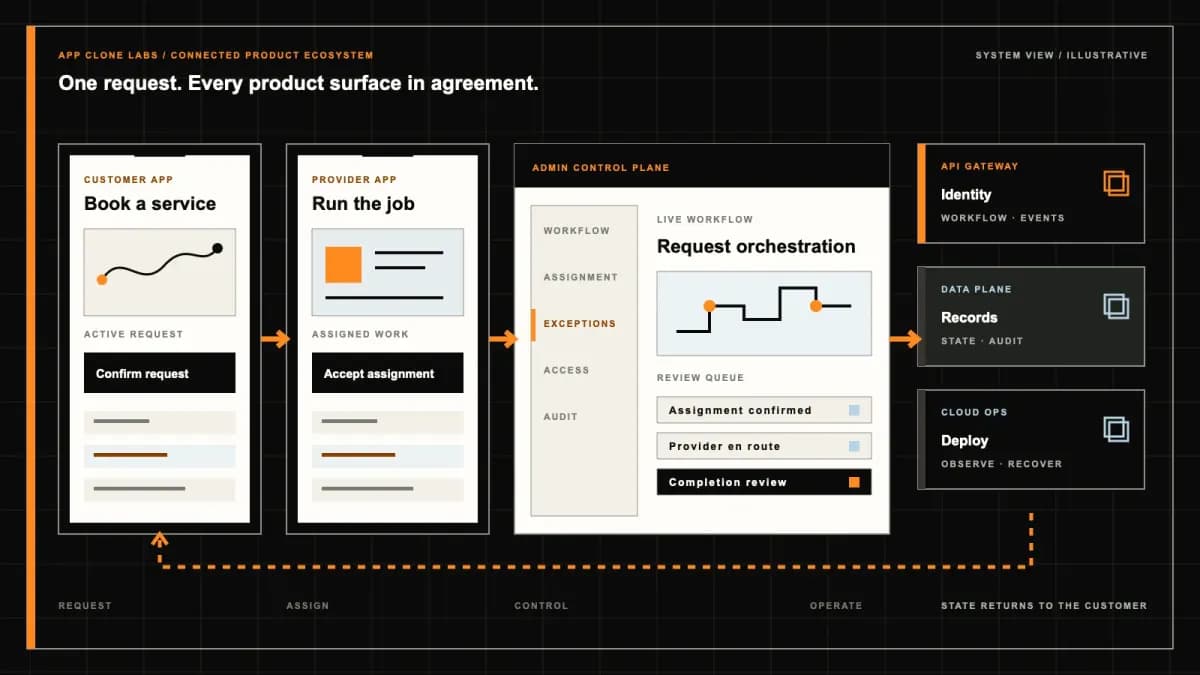
A dog walking app brings owner requests, walker availability, care instructions, home access and visit updates into one booking journey. This is an independently branded software scope, not access to another company’s walkers, insurance, emergency team or proprietary system. Buyers should define one local service and its operating responsibilities before adding more care categories. The build agreement needs to identify configured features, new work, third-party services and the evidence used to accept the release.
Choose the care boundary before opening walker registration
A solo walk for one familiar dog differs from a group outing with several households. Decide which service the operator can supervise: the allowed number of dogs, handling requirements, introduction process and exclusions. Owners need a way to disclose behavior, equipment and relevant care information without implying that a questionnaire determines suitability. Give walkers a clear route to decline work beyond their experience or agreed service boundary.
Compare the broader Rover-style pet care marketplace if sitting, boarding and drop-ins are central to the business. Those categories change premises, overnight responsibility and support arrangements. Keep them outside the first walking release unless the buyer has reviewed their requirements. A common booking interface is not evidence that every care activity can use the same acceptance rules.
Make pet instructions versioned and acknowledged
The owner may update a harness instruction after the walker accepted yesterday’s request. Store the current instruction version and show material changes before the next visit. Separate everyday preferences from information requiring operator review, such as a disclosed handling difficulty. Record acknowledgement, who provided the information and the booking it applies to. Do not silently replace the instructions attached to a disputed historical visit.
The Rover prospective-sitter questions suggest discussing exercise, other animals, additional caregivers, updates and relevant pet needs before care begins. Use the reference to prepare a brief owner–walker introduction, not to borrow another platform’s policies. Your product should record the agreed arrangement and unresolved questions; an introduction is useful preparation, not a guarantee of safety.
Screening status needs consent, review and an expiry
A walker profile displaying approved should have an explainable basis. Agree identity verification, any background-check provider, consent requirements, relevant jurisdictions and who reviews the result. Keep requested, awaiting review, eligible, restricted and expired states distinct. A failed provider request should not appear as a completed check. Restrict sensitive report access, record review decisions and provide a process for correcting or challenging inaccurate information.
Define what happens to future visits when eligibility expires or an operator restricts the account. Notify affected owners and resolve reassignment with their consent rather than substituting someone silently. Screening does not guarantee safe conduct, professional qualification, insurance or suitability for every dog. These are separate facts requiring appropriate evidence and review. Test a scheduled booking against an expired status so operational staff can see the affected work before a visit starts.
Schedule a visit with travel time and confirmed acceptance
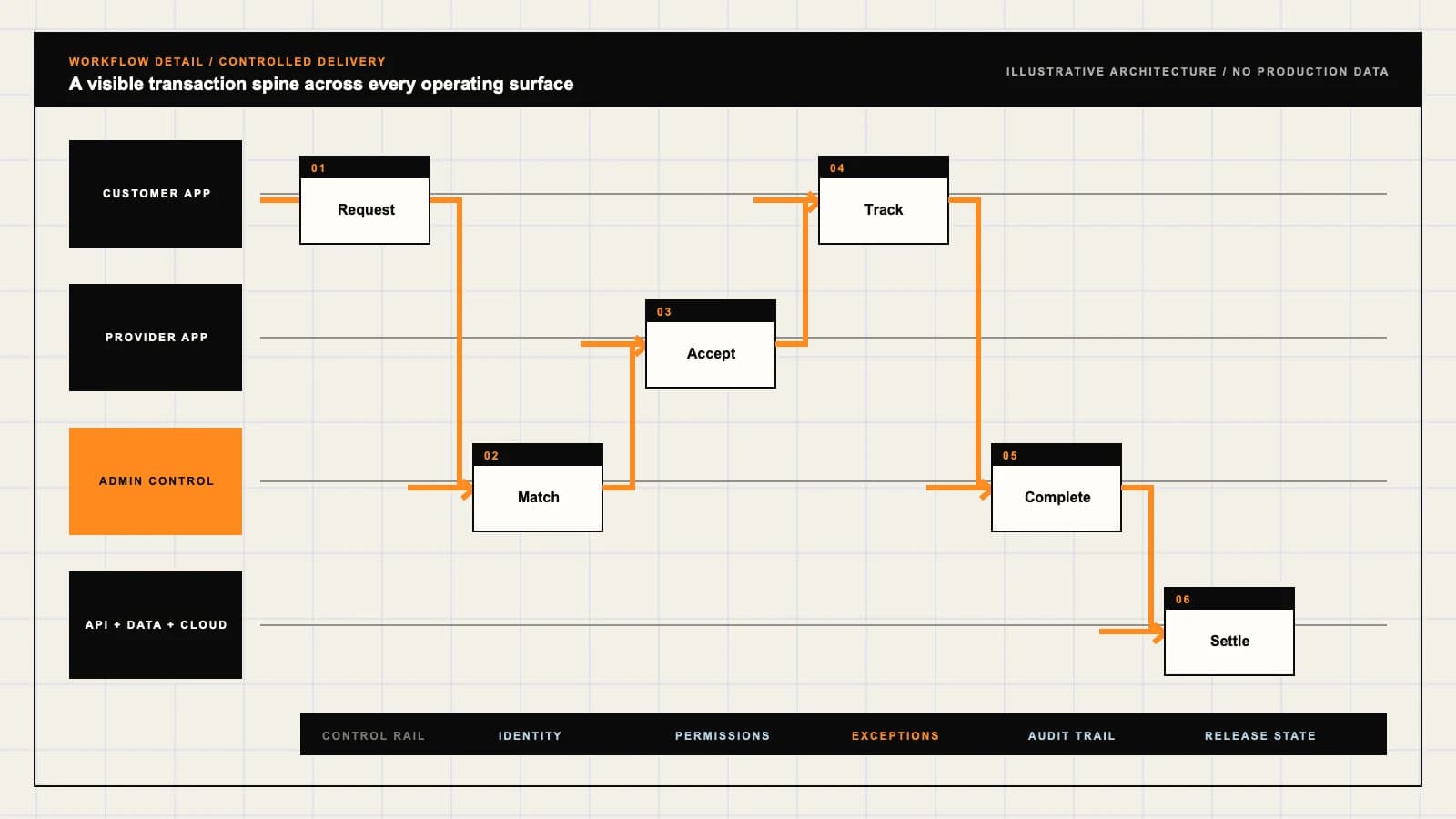
Two households can request the same walker in adjacent time windows, but the travel between them may make the second visit impossible. Calendar availability needs service area, travel buffers, visit duration and existing commitments. Decide whether the customer selects a specific walker or requests a match. A request is not a confirmed booking until the assigned provider accepts under the agreed rules and any required introduction is complete.
Show what happens when nobody accepts an on-demand request, an owner changes the address or the walker becomes unavailable. Recheck suitability and access permissions for replacements. Set realistic customer communication rather than promising instant availability. Recurring commitments should reserve distinct visit records so one skipped date does not delete the series or conceal other obligations. Demonstrate a travel conflict and an unanswered request, not just an empty calendar with selectable slots.
Treat key access as a custody record, not a profile note
A copied door code can remain visible long after a booking ends unless access is deliberately controlled. Choose the supported arrangement: owner handoff, a physical key, a managed lockbox or an approved access provider. Limit exact address and entry details to authorized participants for the appropriate period. Keep sensitive instructions out of notification previews, public profiles and general support exports. A walker should not learn another household’s code through a shared conversation.
Record physical key receipt and return where that method is used, and define the escalation for a missing key or failed entry. Access failure should pause the visit with an owner and a stated next action. Confirm the agreed securing step after return; a completed timer does not establish that a door was locked. The operator needs a reviewed response for compromised credentials, while the software preserves the booking and access evidence without public disclosure.
Confirm pet handoff before starting the walk
The walker reaches the home but finds two dogs where the booking names one. Confirm the booked pet, permitted companions, equipment and relevant instructions before recording custody. The interface should allow the walker to report a mismatch or unsuitable condition and seek direction. Do not reward a quick start action that bypasses unresolved concerns. Define who may approve changes and what the owner must confirm before extra care or charges are added.
At return, record where and to whom the pet was handed back under the agreed access plan. Keep visit end, pet return and home securing as separate acknowledgements where required. Interrupted connectivity should retain the original event time and later synchronization time instead of rewriting the chronology. Replayed updates must not create duplicate completed visits or payouts. Walk through a missing dog identity and an interrupted return update during buyer acceptance.