A paid bottle still needs an eligible recipient at the door
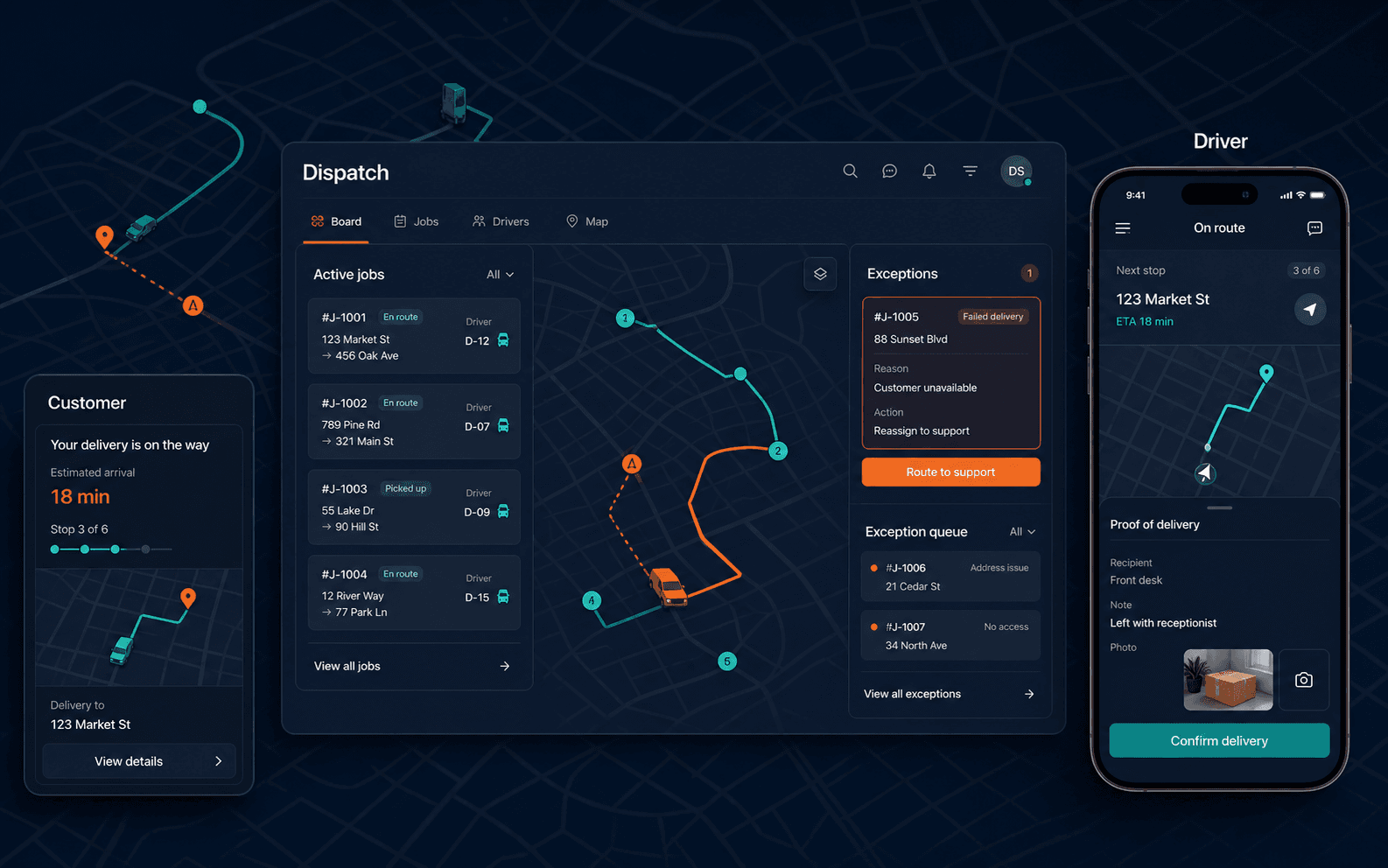
A retailer accepts an order, a courier collects sealed bottles, and the customer cannot provide the identification required at handoff. The order is paid, but delivery is not complete. A useful alcohol marketplace must explain who retains custody, whether the retailer can receive the return, which charge is still unresolved and what the customer sees next. Treat that interrupted journey as a core buying decision, not a small disclaimer beneath a checkout button.
The Drizly farewell FAQs state that consumer-facing operations ended on March 28, 2024. Drizly is a historical reference for licensed-retailer marketplace mechanics, not a currently available network or integration included in this offer. This independently branded software brief supplies no Drizly accounts, proprietary code, customer data, commercial affiliation or permission to sell alcohol. The buyer must establish its own lawful operating arrangements.
Identify the seller and the reviewed launch territory
Start with the entity selling each bottle. Record the retailer, premises, permitted product classes and relevant licence evidence, then have qualified reviewers establish the operating boundary. A platform operator, seller and courier may carry different responsibilities. Define those responsibilities in the scope instead of presenting a generic verified badge as proof that everyone can trade throughout the city. Software rules implement agreed decisions; they do not issue licences or provide legal approval.
Address eligibility should follow the reviewed territory and selling store, including restricted areas and any applicable delivery conditions. Use explicit allow and deny decisions rather than assuming every point inside a map circle is permitted. Keep the source, reviewer and effective version of the rule available to authorized staff. An address edit after retailer acceptance must trigger reconsideration, not quietly send an already paid order beyond its original boundary.
Retailer eligibility can expire while orders remain open
A store’s review status needs a lifecycle: evidence requested, under review, eligible, restricted, expired or suspended. Distinguish missing documentation from a reviewer’s rejection. Record the applicable location and products rather than making one uploaded document approve every branch. Restrict access to sensitive files and assign responsibility for renewal reminders. The launch team should be able to identify which published stock belongs to a store whose eligibility changed.
When a store becomes ineligible, stop new acceptance under the agreed rules and expose existing work to a named operations owner. Orders waiting for picking, already with couriers and awaiting return need different next actions. Do not erase the retailer or its historical evidence from accepted orders. Demonstrate a suspension with open work so buyers can see the transition and customer communication without inventing an automatic legal answer.
The delivery window belongs to the store and the route
The shop may be open while alcohol delivery is unavailable. Model reviewed sales and delivery windows separately from ordinary opening hours, using the store’s local time and any relevant calendar restrictions. A customer selecting a future slot needs a clear statement of what is reserved and when eligibility will be checked again. The courier’s estimated arrival is useful planning data, not permission to complete a handoff after an allowed window closes.
Define the decision when preparation runs late or a courier cannot reach the recipient in time. Show a delay, cancellation or approved recovery route rather than extending the window silently. Explain capacity limits before payment and retain the terms accepted for the chosen slot. Overnight routes and timezone changes need explicit tests. The most valuable scheduling screen is one that declines an impossible promise before a customer pays for it.
Reserve the bottle before offering a replacement
A bottle’s size, brand and price must remain attached to its retailer and accepted order. Reserve stock when the seller confirms availability, and distinguish an inventory synchronization delay from a real reservation. A replacement may differ in price or product class and should not be substituted merely because a picker found something similar. Capture customer consent and recheck the replacement against the reviewed catalogue and eligibility rules.
Record the original item, proposed replacement, response and resulting price. A rejected replacement or unavailable line should produce an explained adjustment while preserving any remaining eligible order. Agree who funds promotions and how they change when an item disappears. Test a repeated inventory event and a substitution accepted after the picking cutoff so duplicate messages cannot reserve twice or silently alter the approved delivery.
Checkout declarations cannot replace recipient checks
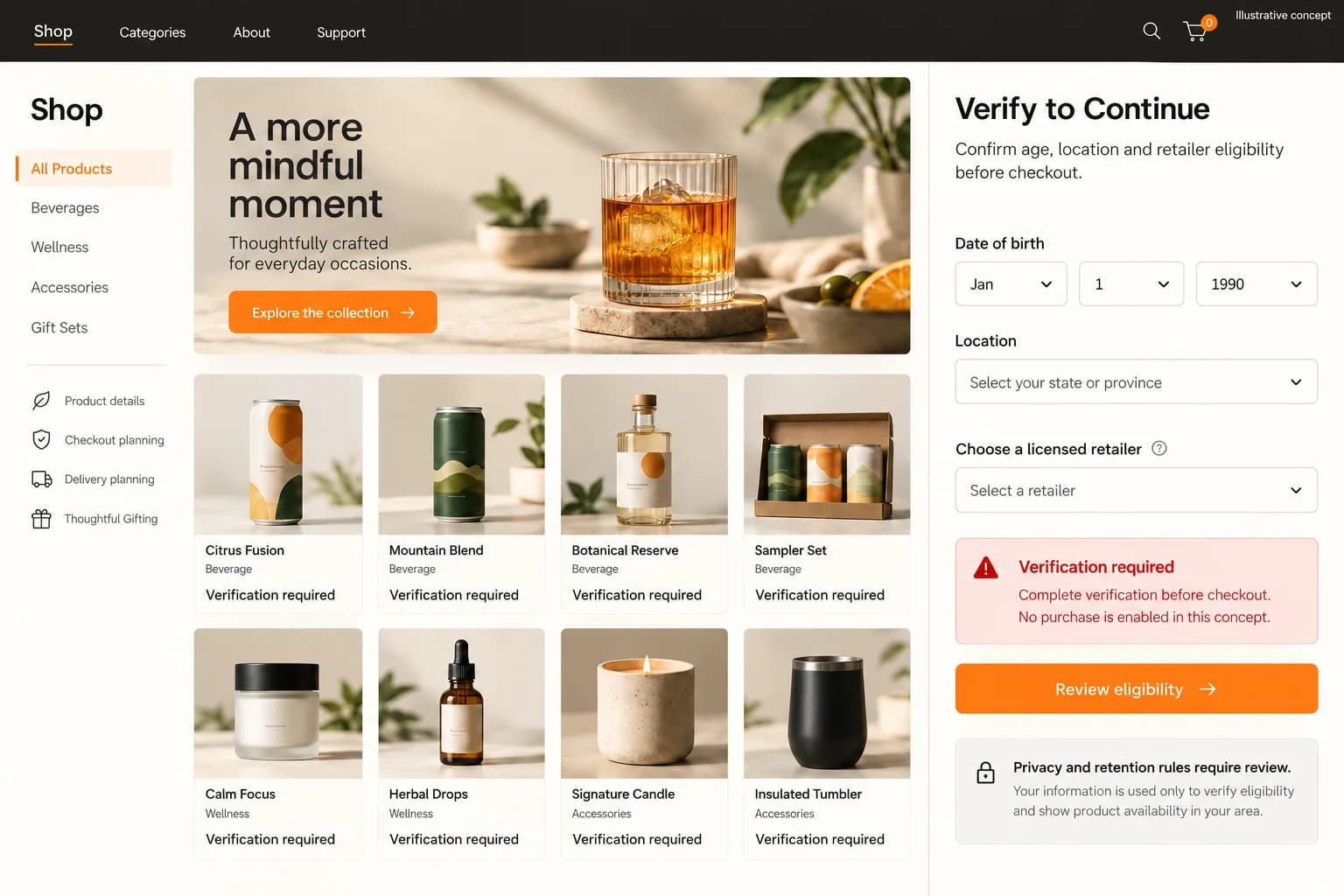
A date-of-birth field may help route an order, but it does not establish that the person answering the door meets the handoff conditions. Qualified local reviewers must determine the required age threshold, acceptable identification, identity matching and refusal instructions. Present those requirements before payment so the customer understands who must be present. Do not hardcode one country’s rule as a universal alcohol-delivery policy.
The Uber Direct verification documentation describes identification checks for restricted-item deliveries and a return trip when the courier cannot complete the ID check. This is a provider-specific technical reference, not universal law or confirmed integration access. It illustrates why pickup, recipient verification and return events need distinct states. Your chosen provider, market permissions and evidence-handling arrangements require independent confirmation.
Give refusal a safe, non-negotiable operational path
No acceptable identification, an absent recipient or an unsuitable handoff must lead to the reviewed refusal process. Show the courier the relevant instructions and a way to record the outcome without publishing sensitive identity details. Staff must not complete the order remotely just to clear a queue or waive a required check because payment succeeded. A doorstep photo and a customer promise are not substitutes for the agreed verification.
Define escalation for confrontation or safety concerns without asking the courier to remain in an unsafe situation. Record only the information necessary for the agreed incident process and separate the safety case from the commercial dispute. Customer messaging should explain the recorded refusal and next step without implying guilt or revealing private courier information. Rehearse unavailable support so the courier still has a documented custody route and an accountable escalation owner.