An Arabic checkout must still lead the rider to the right building
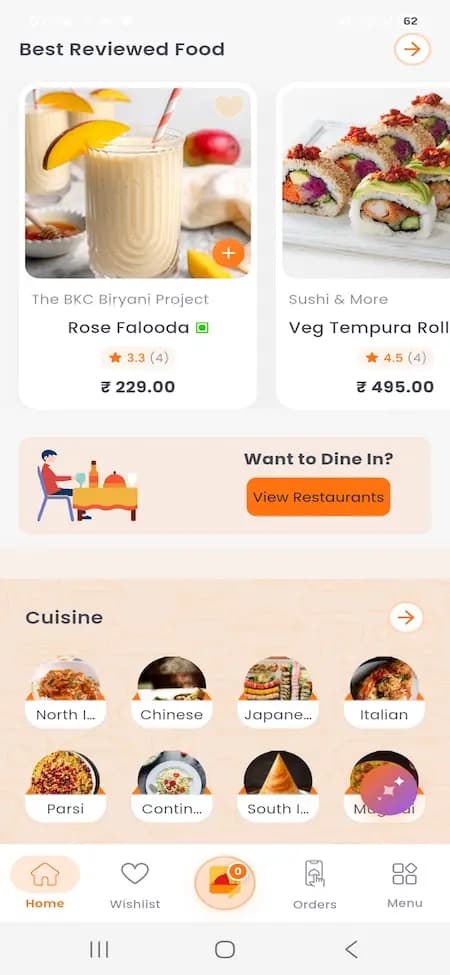
A customer selects dinner in Arabic, pays in the agreed currency and places a pin near an apartment block. The merchant accepts, but the rider cannot find the entrance. A localized delivery marketplace needs to resolve that entire transaction, not merely translate a restaurant grid. HungerStation-style development is an independent product scope for regional restaurant and grocery ordering, with your own brand, merchant relationships, rider arrangements and operating rules. It does not supply HungerStation’s customers, network, proprietary technology or commercial agreements.
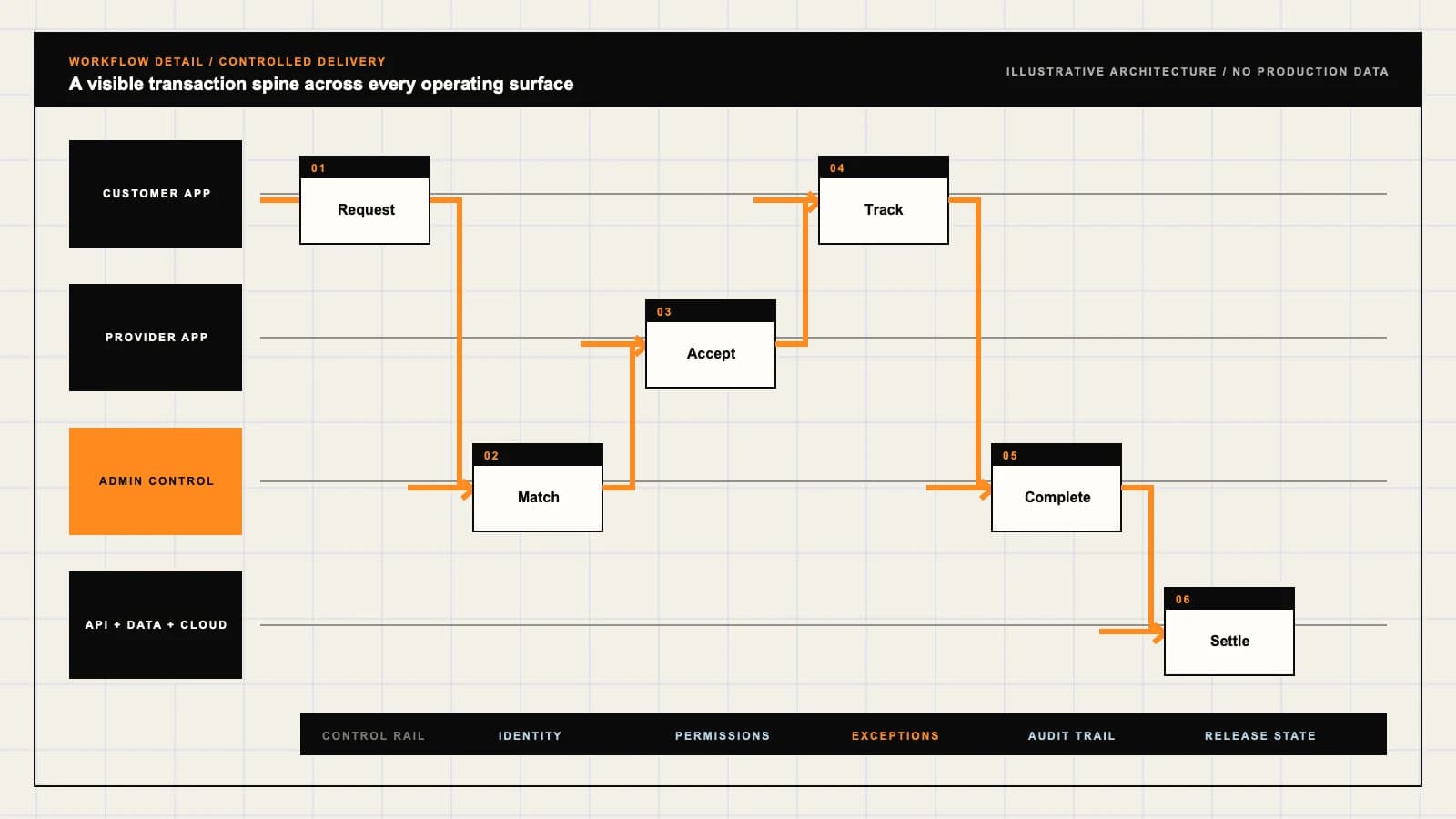
Begin with a launch-city brief that names the available categories, languages, service zones, payment methods and support coverage. Define what customers can reasonably expect when an order fails. The buyer should be able to inspect a branch decision, a preparation acknowledgement, a building-access exception and a financial outcome in one connected demonstration. An attractive bilingual storefront is useful only when the merchant, rider and support team can fulfill what it confirms.
Arabic and English must describe the same accepted order
An English modifier saying “without nuts” cannot become an ambiguous Arabic label. Maintain stable product and option identifiers beneath reviewed translations. Decide who approves merchant-provided descriptions and who can correct a mistranslation. Important ingredient, substitution, fee and cancellation information needs the same scrutiny as navigation labels. Do not infer that an automated translation establishes accurate allergen information; the merchant and operator must own its verification and correction process.
Test right-to-left layouts using real mixed content: Arabic names, Latin brand names, phone numbers, order identifiers, quantities and monetary amounts. The reading order, error messages and confirmation summary must remain usable on small screens and with keyboard navigation. Switching languages should not create a new basket, reset the address or change the accepted price. Include notifications, downloadable receipts and staff support views in the review rather than limiting localization to the customer home screen.
Choose a launch market rather than treating the region as one rulebook
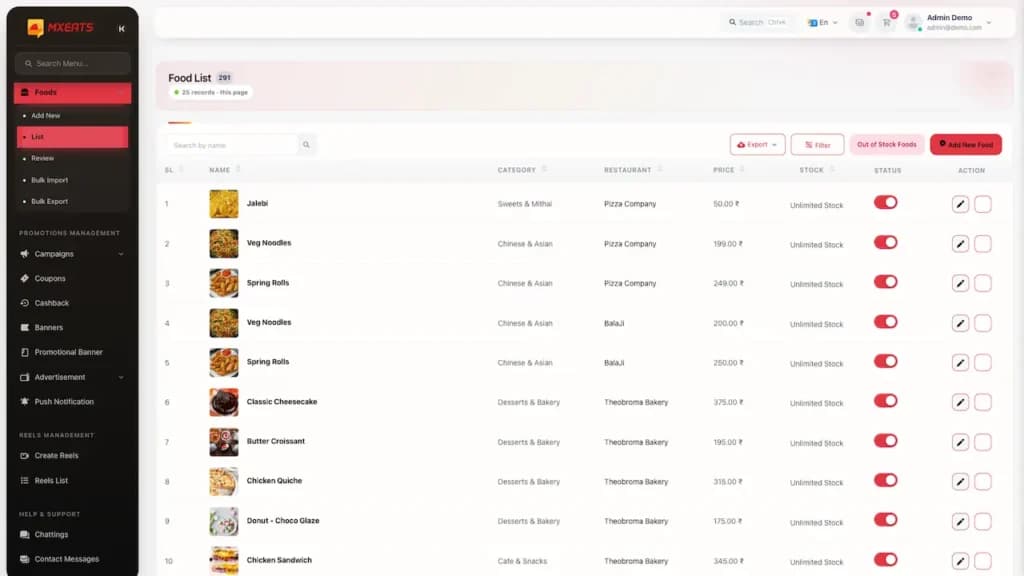
A Middle East delivery concept does not define a single merchant licence, tax treatment, rider qualification or consumer-fee rule. Establish the actual operator and jurisdictions with qualified advisers. Build onboarding around the documents and review steps they approve, recording the branch, permitted category, verification decision and review expiry. Staff need a visible route for incomplete or disputed evidence. Uploading a document should not automatically mark a merchant eligible to serve every zone.
Keep the first release narrow enough to supervise: a defined city, known branches, agreed delivery arrangements and an identified support team. Expansion requires reassessing payment contracts, address coverage, translations and incident responsibility. A food merchant does not become qualified for pharmacy or other restricted products because a category can be added to the app. The scope should explicitly list excluded goods and services so sales language does not promise an unreviewed regional super app.
Resolve the entrance as well as the map pin
A valid coordinate can point to the wrong side of a compound. Capture the address fields needed for the launch area and separate useful building instructions from unnecessary personal information. Let customers review the building, unit and agreed handoff point before confirmation. Check branch serviceability against the actual destination, not the device’s last location. Changing an address after merchant acceptance requires an explicit decision about coverage, timing and any revised charge rather than silently moving the rider.
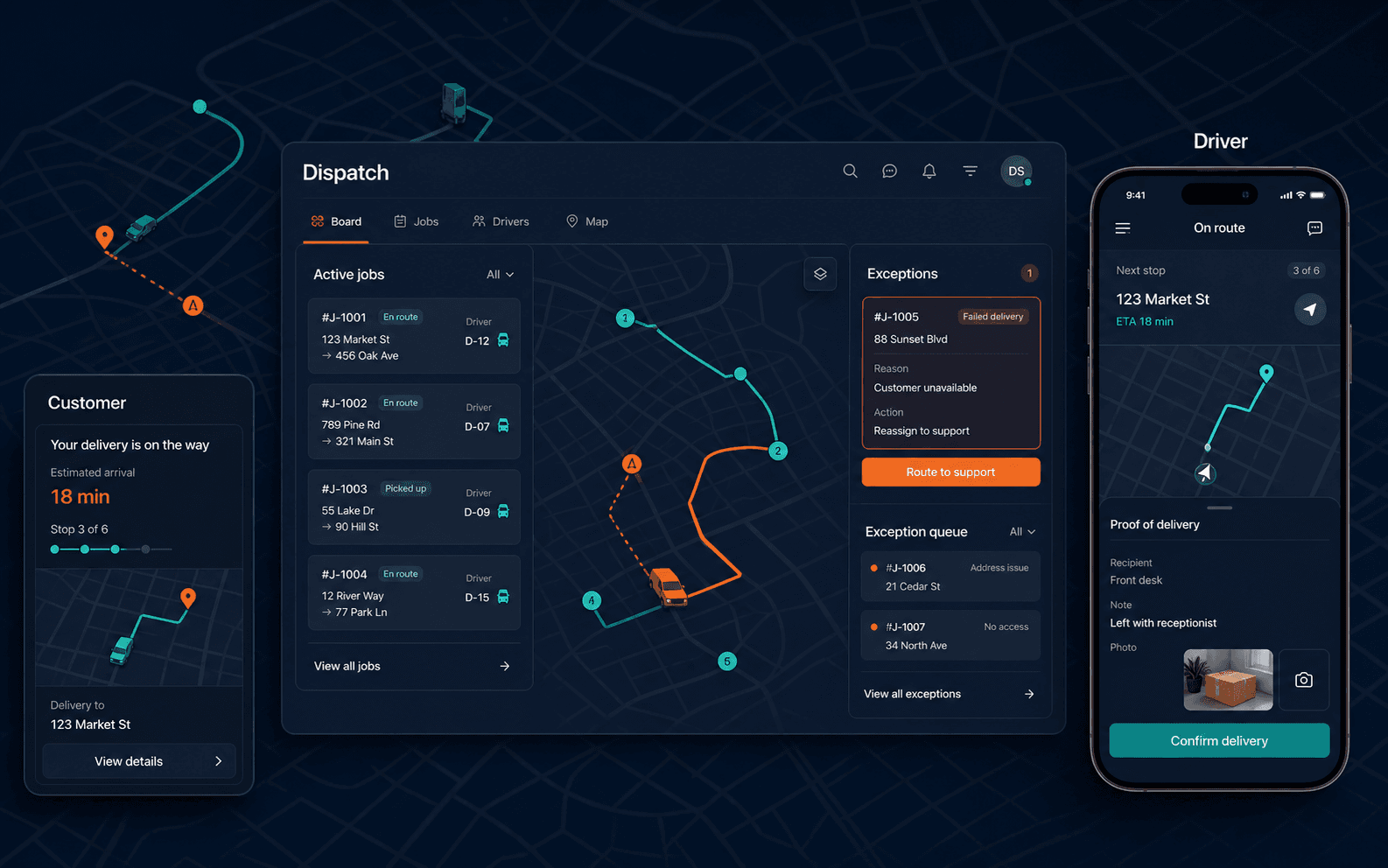
Riders need a safe way to report an inaccessible entrance, unanswered customer or conflicting instructions. Assign support ownership and an agreed waiting or return procedure. Do not encourage unrestricted disclosure of access codes or retain them in public reviews. Display location uncertainty and allow a controlled correction with an audit trail. Test a correct pin with a missing building entrance and a destination just outside the allowed zone; both reveal issues that a clean map animation conceals.
Opening hours and delivery cutoffs belong to the branch
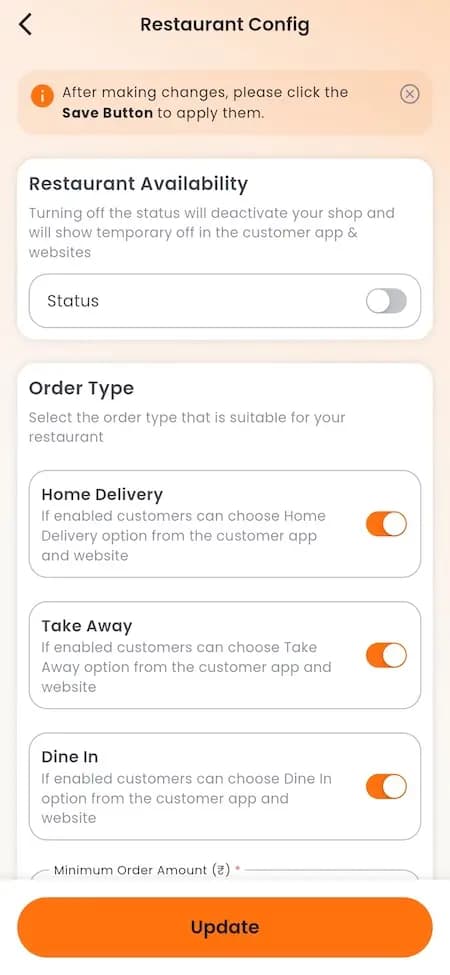
A restaurant may be visible while its kitchen cannot accept another order. Store branch timezone, preparation capacity, order cutoff and delivery coverage as operating rules rather than decorative profile text. Temporary closures and operator-approved seasonal schedules should propagate to discovery and checkout. Preserve the schedule decision attached to the order so support can explain an acceptance close to cutoff. A later calendar edit must not rewrite what the customer was originally offered.
The HungerStation ordering FAQ distinguishes platform availability from merchant-dependent delivery times. Use that as a planning reference, not an inherited service promise. Your operator must define its own opening and support coverage. Recheck availability immediately before placing an order and provide an understandable response when a branch closes between browsing and confirmation. Never equate a website being reachable with round-the-clock fulfillment.
Meals and groceries need different customer-consent paths
A restaurant modifier changes a prepared dish; a grocery replacement changes what the customer receives and may change the amount. Separate those decisions. Meals need option availability, preparation acknowledgement and merchant-owned ingredient information. Grocery picking needs stock outcomes, pack size, replacement preference and consent to material changes. A shopper should not replace a product merely because the restaurant workflow has an “accept order” button. Capture the customer’s answer or apply the previously agreed no-replacement policy.
Keep unavailable items distinct from a full merchant rejection. Show the revised basket and payment consequence before proceeding where approval is required. If the customer does not respond, use a documented timeout outcome rather than assuming consent. A partial grocery refund must not close an unresolved food-quality complaint. Buyers should inspect the same shared customer account buying a meal and a grocery basket, then see different exception controls in the corresponding merchant and operations views.
Currency and payment methods must survive reconciliation
A familiar regional payment logo is not evidence of an approved integration. Confirm the operator’s provider agreements, supported currency, settlement account and enabled payment methods. Persist the order amount and currency with provider identifiers; presentation formatting cannot alter the underlying value. Test Arabic and English amount displays against the same record. Keep payment pending, authorized, captured, failed and unknown outcomes distinguishable from merchant acceptance so an uncertain response does not trigger another charge.
Where cash collection is enabled, define who collects, what evidence is recorded and how shortages or change issues are investigated. Do not treat a rider tapping “delivered” as proof that cash reached the operator. Restrict financial overrides and reconcile refunds against their original payment channel. Wallet transfers, installment products and deferred billing are separate commercial and regulatory scopes, not automatic features of a localized checkout. Start with the methods the operator can actually support and explain.