A niche job board earns trust by keeping the vacancy current
A regional engineering association sells a featured vacancy to a member company. The payment succeeds, but the listing omits the work location and the role has already been filled. Candidates still see the promotion and submit resumes. The portal has monetized attention without maintaining a usable hiring commitment. The design problem is not a larger search box; it is connecting paid publication, moderation, expiry and candidate handling into one accountable lifecycle.
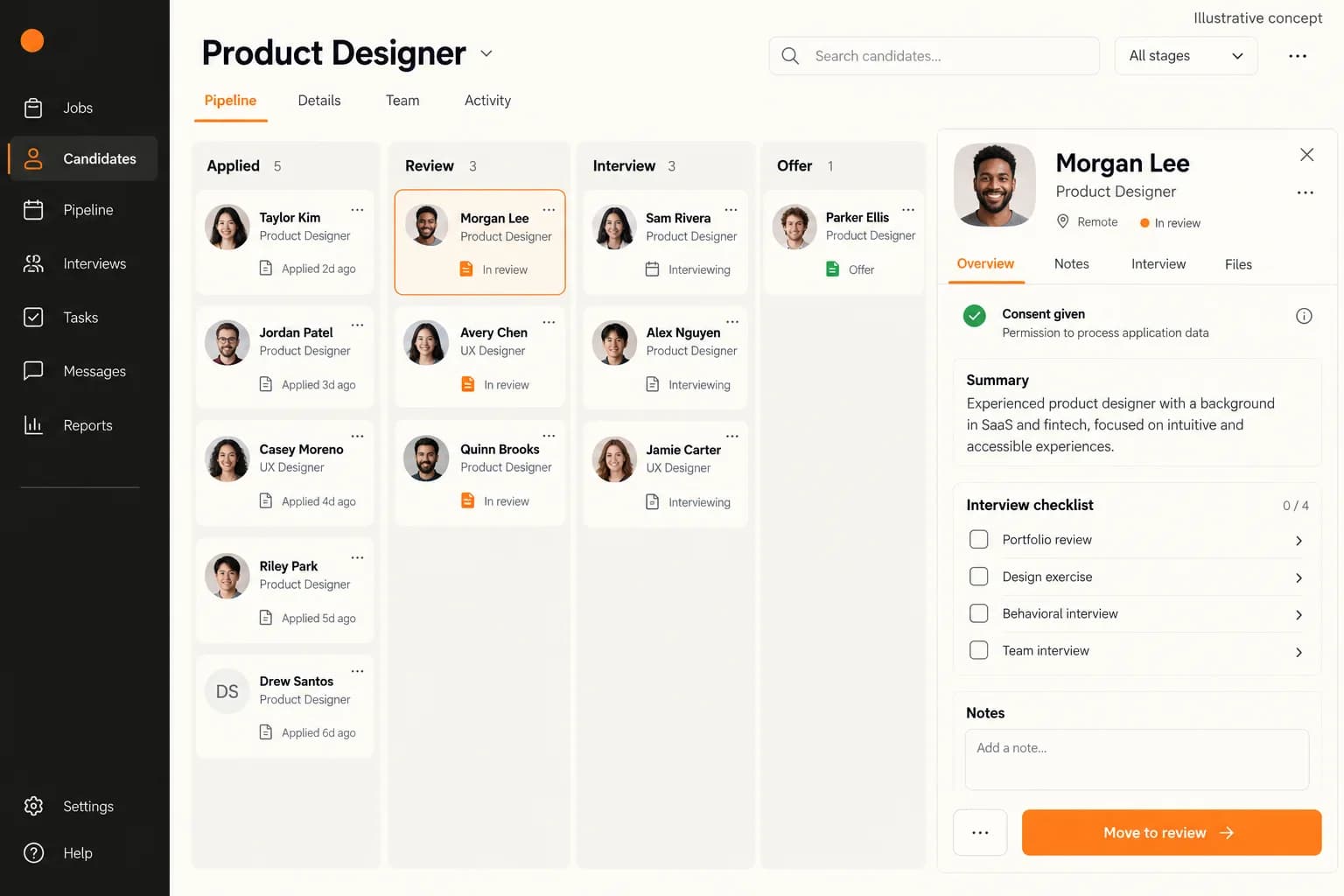
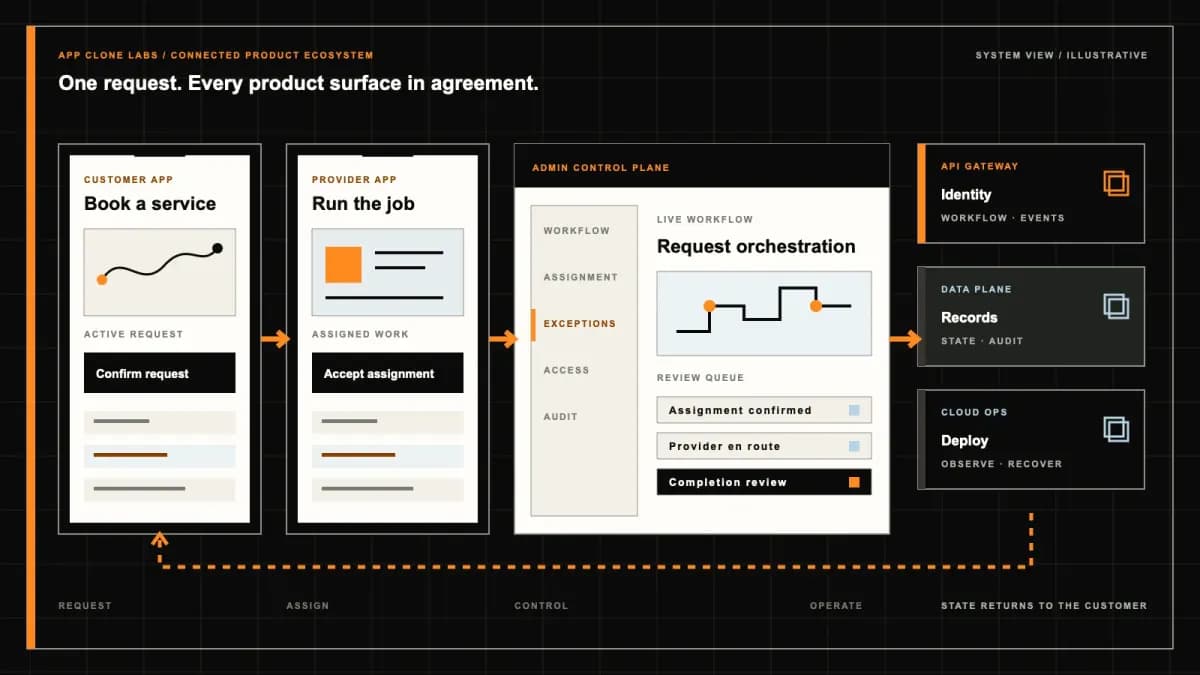
A configurable recruitment portal serves a defined sector or labor market with employer listings, candidate applications and operator controls. It can be a regional board, an industry association channel or a focused employer network. App Clone Labs builds the agreed software; it does not supply live vacancies, approved employers, applicants or guaranteed hires. The niche should be reflected in the taxonomy, role details and application policy, not merely in a different logo above a generic directory.
Choose the sector taxonomy before adding hundreds of filters
Start with the distinctions candidates and employers actually use. A specialized board may need occupation family, qualification, seniority, shift pattern or equipment experience rather than a broad list of fashionable skills. Establish a controlled vocabulary and a reviewed route for new terms. Free-text titles remain useful, but they should not be the only basis for grouping unrelated roles into apparently relevant results.
Avoid treating qualifications, licenses and preferences as interchangeable tags. Identify which requirements are mandatory, which are desirable and what the employer can assess later. Unknown data should remain unknown rather than being converted into a false filter value. Test similar role names with different responsibilities and a vacancy requiring credentials not captured by the initial form. The portal should explain the mismatch and allow a moderated correction without losing historical applications or changing their original context.
Employer approval and vacancy approval are separate decisions
An employer account needs an identifiable organization and an authorized person acting for it. A recruiter may represent several clients, which requires an explicit relationship rather than one shared employer badge. Define what the moderator checks, what evidence is retained and what the public label actually means. Avoid displaying verification as an assurance of workplace quality or every claim in a submitted listing.
Review each vacancy against the board’s publication rules, including misleading roles, prohibited fees and inappropriate requirements. Give employers a correction and appeal route with versioned reasons. Paid-plan status must not bypass the review queue. Rehearse a previously approved employer submitting a materially different role and a recruiter losing posting authority. Existing published vacancies and application access need deliberate treatment; deleting an account from the moderator list must not leave active sessions with unchanged privileges.
Location and pay details should answer real application questions
Remote, hybrid and on-site labels require more than a toggle. State permitted applicant geography, attendance expectations and whether the listed location is the workplace or the employer’s headquarters. Candidates should not discover geographic exclusions only after uploading documents. Review local pay-transparency and employment disclosure requirements with appropriate specialists rather than assuming one global vacancy template satisfies every market.
If compensation is shown, identify currency, period and relevant basis, such as a range or disclosed fixed amount. Separate salary from optional benefits and avoid presenting commission potential as guaranteed base pay. Keep published information consistent across the role page and search filters. A changed location or pay basis may require renewed review and notice to affected applicants. Preserve the earlier listing version so the hiring team can explain what candidates saw when they applied.
A paid listing needs publication, expiry and renewal states
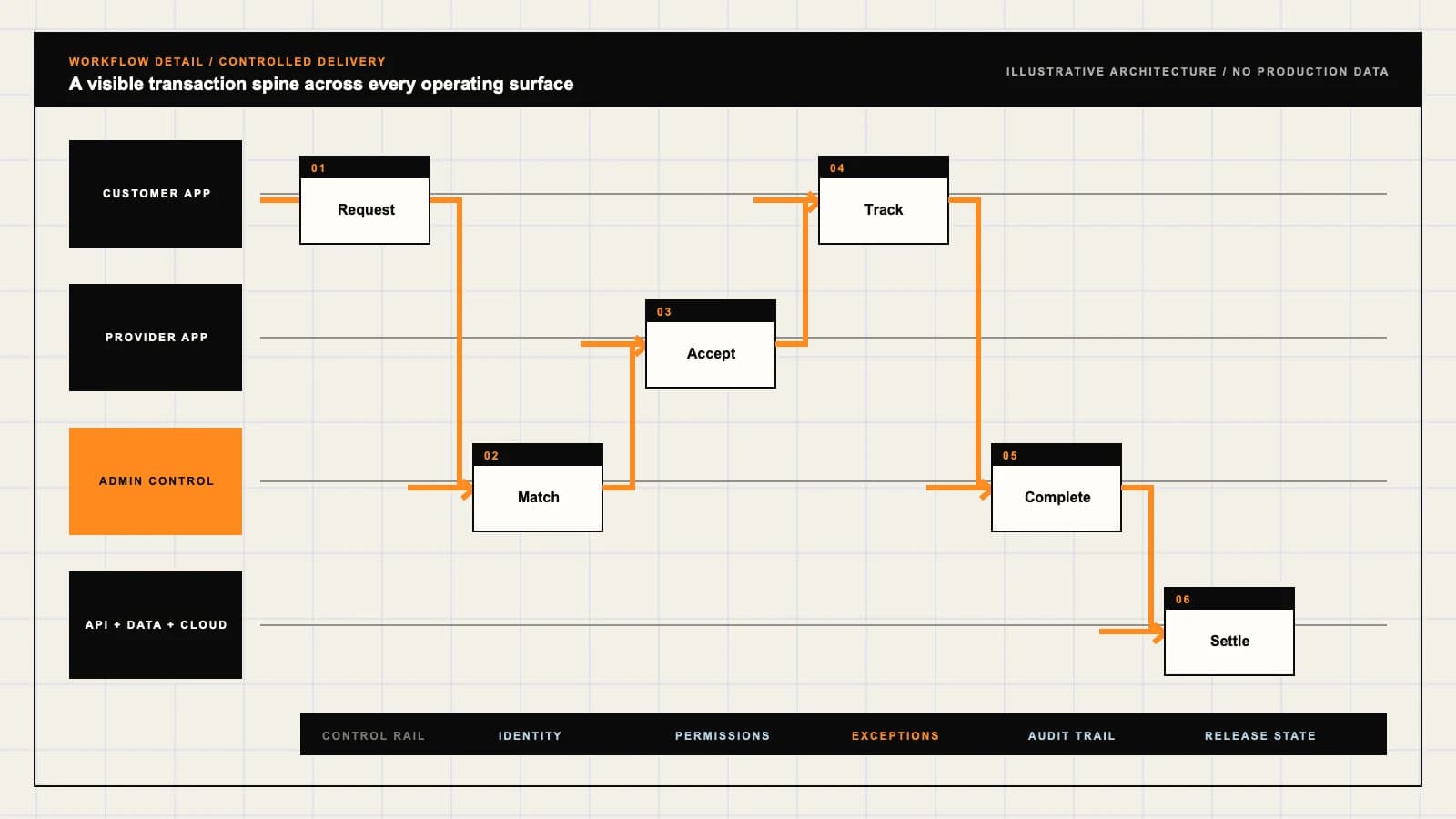
Define what the employer buys: one reviewed vacancy, a publication period, a bundle or a workspace allowance. Record payment separately from moderation approval and the first public date. Explain rejection, correction and refund arrangements in the agreed terms. A billing callback should not publish an unreviewed draft, and an expired promotion should not silently become a recurring charge unless that commitment was clearly accepted.
Give employers a clear close action when a role is filled or withdrawn. Specify whether remaining plan time can be used elsewhere and whether reopening requires another review. Sponsored visibility should be labelled and limited to eligible current vacancies. Rehearse a renewal payment arriving after the vacancy closed and an approval occurring after a purchase was refunded. The console must recover the intended publication state instead of letting whichever event arrived last decide what candidates see.
Apply vacancy markup to actual roles, not this software page
The official Google JobPosting guidance explains structured data for individual vacancy pages and treatment of jobs no longer open for applications. It is a useful portal acceptance reference, not a reason to mark this commercial software solution page as an actual vacancy or a guarantee of inclusion in Google’s job experience.
Map visible role facts to any vacancy markup and keep the application route working. Closing, deleting or materially changing a job requires deliberate search-surface handling. Do not leave stale structured data presenting an expired opening as available. Review canonical and duplicate-source arrangements if employers distribute the same vacancy elsewhere. A successful schema validation demonstrates format under stated conditions; it does not prove current hiring intent, truthful content or successful candidate submission.
An application needs an intended recipient and document version
Show candidates which employer receives the submission, what documents and answers are included and whether the portal hosts the application or hands it to another service. Applying to one role should not silently publish a resume to every recruiter. Keep the submitted document version and vacancy version identifiable, so a later profile edit does not rewrite the application already under review.
Consent is not automatically the lawful basis for every recruitment use; qualified privacy review should establish the appropriate basis, notices and choices for the operation. Where consent is used, make the purpose and withdrawal route meaningful. Distinguish direct applications, public profile visibility and talent-pool enrollment. Rehearse a candidate applying privately while their general profile remains hidden. The recruiter should receive only the authorized application information, not unrelated account history or documents uploaded for another employer.