The diner has paid, but the takeaway has not accepted the order
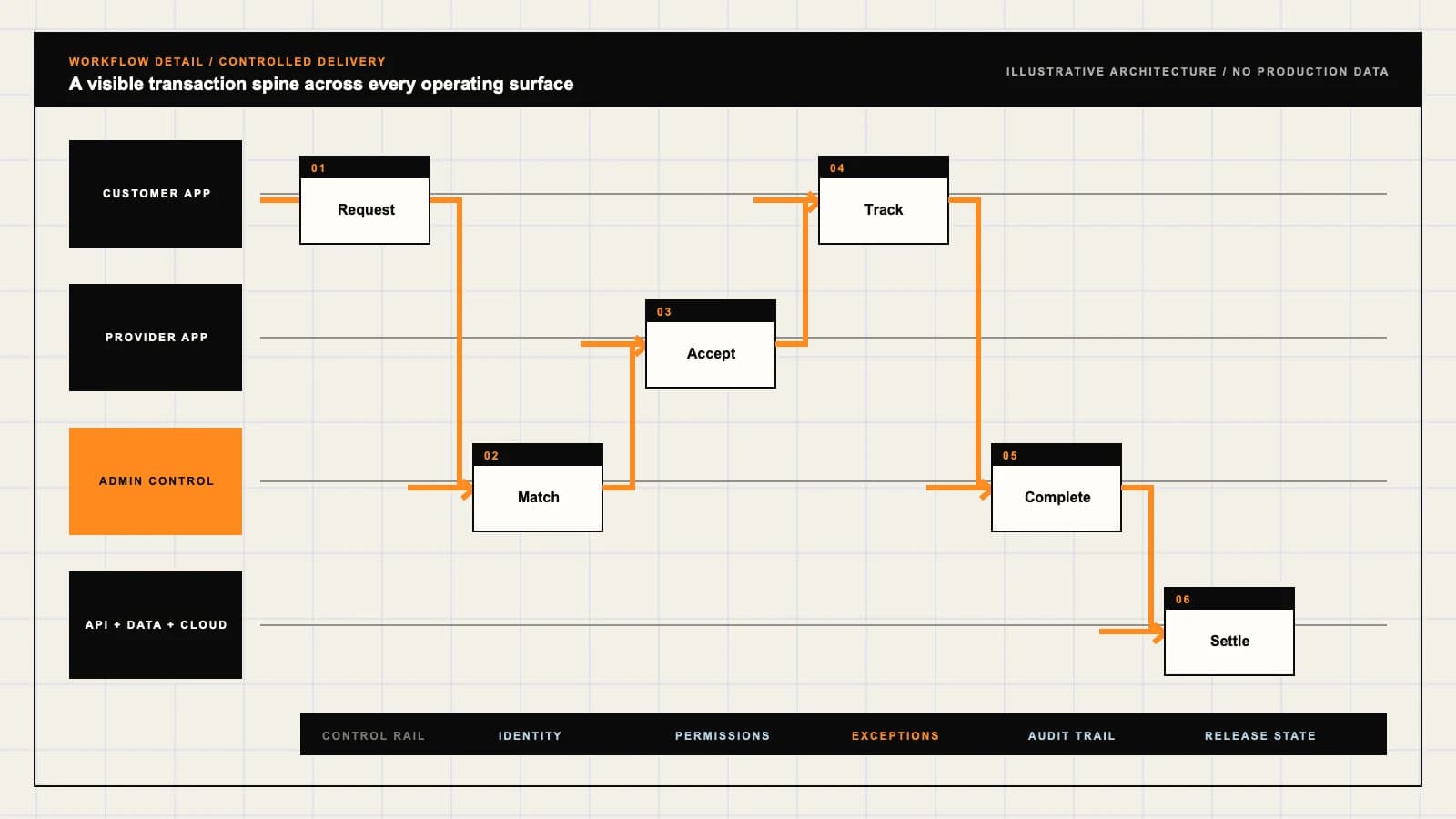
A family orders two pizzas, selects different bases and pays. The restaurant terminal loses its connection before the kitchen sees the ticket. The customer sees a confirmation, calls the takeaway and learns that no meal is being prepared. This is the decision a takeaway marketplace must make understandable: payment activity, order transmission and restaurant acceptance are different facts. A reassuring success screen cannot stand in for a kitchen commitment.
A Just Eat-style takeaway marketplace connects diners with independent restaurants for collection and delivery. The proposed product is independently branded software, not access to Just Eat restaurants, couriers, proprietary systems or support. Its value depends on accurate menus, a reliable acceptance loop and an accountable response when dinner cannot be supplied. Start the buying decision with how participating kitchens work, not with the number of restaurant cards a homepage can display.
Make restaurant acceptance visible rather than implied
The official Just Eat Ireland rejected-order guidance identifies capacity, unavailable items and courier availability as reasons an order may be declined. This illustrates why rejection is a normal operating path. Its regional payment guidance is not a refund promise for your marketplace; agree your own lawful terms and provider handling before launch.
Show whether the request is awaiting acknowledgement, accepted, declined or expired. Each status needs an owner and a customer-facing explanation. A terminal receipt means the message arrived; it does not necessarily mean staff have accepted the preparation obligation. Decide who can accept, what information they must review and when the response becomes final. If capacity is unavailable, the kitchen should decline clearly instead of keeping the diner waiting behind an optimistic countdown.
A restaurant group can share a name while branches differ in prices, stock, opening hours and equipment. Bind the basket to the selected branch and menu version. Check availability again at submission, then preserve the purchased configuration for staff and support. A later menu edit should not change what the diner ordered. Give branch users only the authority they need; one manager disabling an item should not accidentally close every restaurant in the group.
Define who updates the menu when the POS feed and order terminal disagree. Do not silently merge incompatible prices or assume a successful synchronization means the kitchen can make every item. A controlled walkthrough should remove a popular dish while a customer has it in their basket. The result should identify the affected item and explain the available choice without accepting an impossible order or replacing dinner automatically.
Treat modifiers as preparation instructions with limits
A pizza base, required size and optional topping are not interchangeable text notes. Model required groups, minimum and maximum choices, price changes and incompatible combinations. Validate the same rules on the customer screen and the server. Keep each selection attached to its specific item so two similar meals remain distinguishable on the kitchen ticket. A note such as “no cheese” should not become an unnoticed substitute for a required structured choice.
Allergen information needs an accountable restaurant source and a way to ask before committing. Do not infer safe consumption from a modifier name or advertise an allergy guarantee from a generic menu flag. Surface relevant limitations and review local food-information obligations with qualified advisers. Staff should see the submitted instructions clearly, including when a printer truncates long text or a terminal reconnects. The buyer should inspect the actual kitchen view, not only the basket summary.
Collection needs its own readiness promise and handover
A customer collecting dinner needs the correct branch address, collection hours and an understandable readiness estimate. Restaurant opening hours alone do not prove a collection slot is available. Distinguish an estimated ready time from staff confirmation that the meal is packed. Explain changes promptly, preserve the earlier promise and let operations see whether the diner has already travelled. The interface should not instruct a customer to drive to a branch that has declined the order.
Agree how staff identify the collecting customer and record handover without exposing unnecessary personal information. A no-show, a wrong-person collection and a meal still waiting on the counter require different review. Define the food-handling and financial policy for each case rather than inventing a universal cancellation charge. Customer collection should not create a courier job, transport fee or delivery-location tracking simply because those components exist elsewhere in the system.
A restaurant-operated driver and a platform-assigned courier create different operational responsibilities. State the fulfillment party before checkout and keep it visible to support. Restaurant delivery may rely on a branch-controlled service area and manual updates; platform delivery needs eligible courier capacity and a dispatch process. Neither model should display precise live tracking unless the required data and permissions actually exist. Define which party communicates delays and investigates an undelivered meal.
If a diner changes from collection to delivery, revalidate address eligibility, charges and capacity instead of relabelling the same order. A kitchen acceptance does not establish transport availability. Compare a delivery-first alternative through the Grubhub-style fulfillment comparison when transport ownership is the primary scope decision. For this takeaway model, keep the restaurant acceptance loop central and add courier orchestration only where the operator can support it.
Recover terminal outages without preparing dinner twice
An acknowledgement can be lost after the kitchen accepts. Retrying the message must recover that acceptance rather than print a second preparation ticket. Use stable order identifiers, request versions and durable event handling. Decide how staff recognize retries and how the customer regains the current state after reconnecting. If the acceptance deadline passes, a late response needs review; it must not revive an already cancelled order silently.
Define an outage procedure that the merchant can actually operate during a busy shift. Pausing new orders, displaying an unavailable branch and routing unresolved requests to support may be safer than unlimited retries. Any telephone fallback must preserve the order identifier and authorized decision. Test the terminal offline before submission and immediately after acceptance. The expected result is one understood meal commitment or one explicit failure, not a queue of duplicate orders.