A delivery promise belongs to an address and an offer
A shopper selects a kitchen appliance in Arabic, then changes the delivery address before checkout. The seller still has stock, but the warehouse serving the new district cannot meet the displayed date. Keeping the old delivery badge would sell a promise that the order cannot support. The offer, address and fulfillment route must be checked together before the shopper pays.
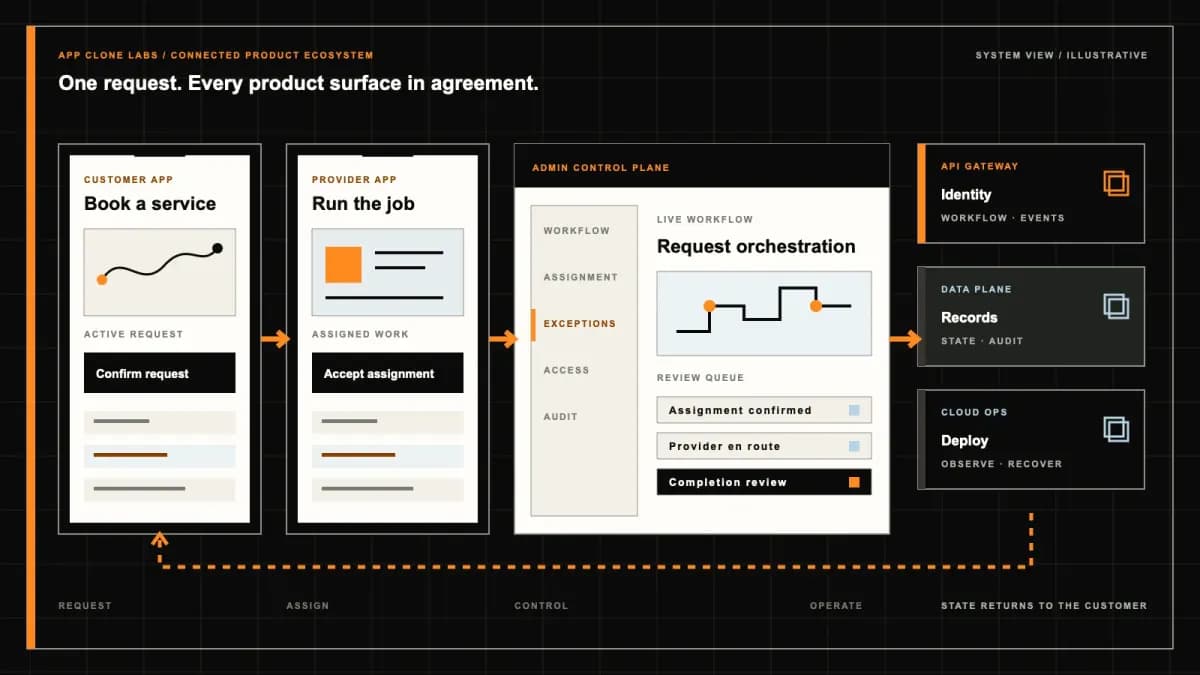
Noon-style development describes an independently branded regional retail marketplace, with bilingual shopping and coordinated seller or warehouse fulfillment. It does not provide Noon affiliation, inventory, proprietary software or access to its delivery network. For a Gulf launch, the useful brief connects local offers to actual stock custody, address coverage and aftercare decisions.
Choose the country before displaying the offer
Country selection changes more than a flag in the header. Define which catalog entries, merchants, stock locations, prices and payment options are available in each market. A planning example might use AED for a UAE storefront and SAR for a Saudi storefront; confirm the currency actually charged and keep it visible through checkout, order history and refunds.
When a shopper switches countries, review the basket rather than silently translating the price. An offer available in one market may have a different seller, unavailable variant or unsupported destination in another. Preserve any existing order in its original country and currency; a later storefront preference must not rewrite the purchased offer.
An Arabic homepage cannot carry an English-only checkout. Review discovery, product attributes, address entry, payment errors, tracking, support messages and returns in both languages. RTL layouts need intentional reading order, keyboard focus and screen-reader labels. Mixed Arabic text, Latin SKU codes and currency amounts need checks on the actual mobile screens.
Keep language choice separate from selling country. A shopper should be able to read the same eligible offer in Arabic or English without changing its seller or price. Assign reviewers for translated dimensions, compatibility and care instructions. Retain an identifiable product variant when titles differ between languages, and avoid letting translation invent product claims.
Separate shared products from local seller offers
Two merchants may sell the same appliance, but stock quantity, price, fulfillment route and return responsibility belong to the offer. Keep shared product attributes distinct from country-specific seller terms. Record the exact variant and accepted offer on purchase so later catalog edits cannot change the order support staff need to resolve.
The noon Partners API documentation lists catalog, content, pricing, stock and offer services as separate domains. That is a useful reference for the distinctions your brief should preserve; it does not confer API access or a Noon connection. Confirm rights, credentials and supported operations for any proposed seller feed.
Name who holds stock and who packs the order
Seller fulfillment and managed warehouse fulfillment need different staff queues. A seller may reserve and pack goods at its own site; a warehouse team may pick from stock already received into its custody. Agree who can adjust stock, confirm preparation and release a parcel. A fulfillment label should identify an operating arrangement that exists.
The noon Fulfilled by Partner overview describes inventory held at the seller location and seller responsibility for packaging, with logistics assistance subject to the model. Use it as an operating reference, then define your own custody and handover responsibilities. An independent build does not inherit Noon warehouses, packaging services or carrier arrangements.
Validate the address before offering a delivery date
Agree the required address fields for the launch market: city or district, building or villa details, unit, contact number and any useful map location or landmark. A pin alone may not identify an entrance; text alone may leave a district ambiguous. Explain missing fields in the selected language and provide a support route for unresolved addresses.
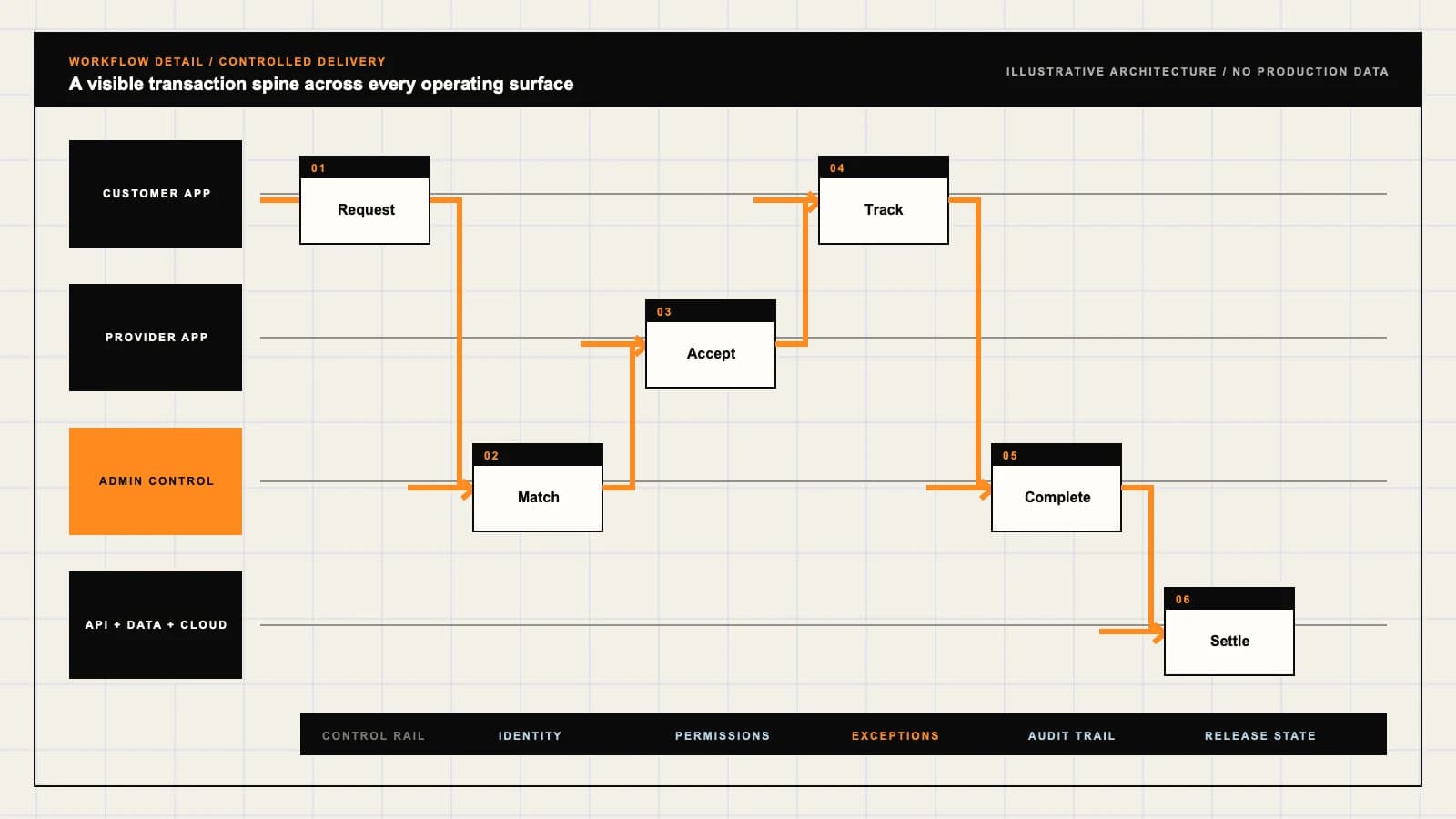
Derive the promise from serviceability, available stock, preparation capacity and the agreed carrier handover schedule. Recheck when the address, quantity or seller changes, and retain the accepted promise with its inputs. Show unavailable coverage or an estimate when appropriate. Regional branding and an address lookup cannot establish a universal next-day guarantee.
Keep checkout totals attached to each commitment
A basket can combine a seller-prepared item and a warehouse-prepared item. Show the seller, currency, item subtotal, delivery charge and promotion allocation before acceptance. Decide whether checkout creates one financial transaction with separate fulfillment groups or several accepted orders, and explain what happens when only one group can proceed.
Reserve stock at the agreed point and handle a delayed payment response without creating duplicate orders. Define which team resolves a payment recorded without a confirmed reservation. If a country-specific charge or invoice requirement applies, have the responsible adviser review the inputs and display; a checkout implementation does not establish compliance.