The courier found the item, but the buyer never authorized that price
A buyer requests a charger from a nearby store and adds a spending limit. The requested model is unavailable, the substitute costs more and the courier is already at checkout. A generic delivery status cannot decide whether to buy it. The marketplace needs a current purchase instruction, an authorized alternative, a funding decision and a clear path if the buyer does not respond. Otherwise an ordinary errand becomes a disputed expense before delivery even begins.
A Postmates-style solution combines local merchant ordering with carefully bounded purchasing workflows. The buying decision is whether to operate listed catalogs, custom purchase requests or separately governed versions of both. This is independently branded software, not access to Postmates or Uber merchants, couriers, proprietary systems or commercial agreements. “Anything delivery” describes a category idea; it must not become an unconditional promise to transport every product or buy from every store.
Separate the reference brand from the operation you are building
The official Uber Eats and Postmates inventory-support guidance discusses integrated storefront support within the Uber environment. Treat current brand references in that context, not as evidence that an independent implementation inherits an existing merchant integration, courier network or support organization.
Define your own catalog ownership, merchant agreements and operating territory. If a buyer expects an integration with an external marketplace, verify eligibility and permitted use before including it in scope. Public help pages are references, not API credentials. Historical assumptions about open-ended errands also need current operational review. The page should help a buyer understand the intended workflow rather than imply that every feature once associated with a familiar brand is presently available or licensed for reuse.
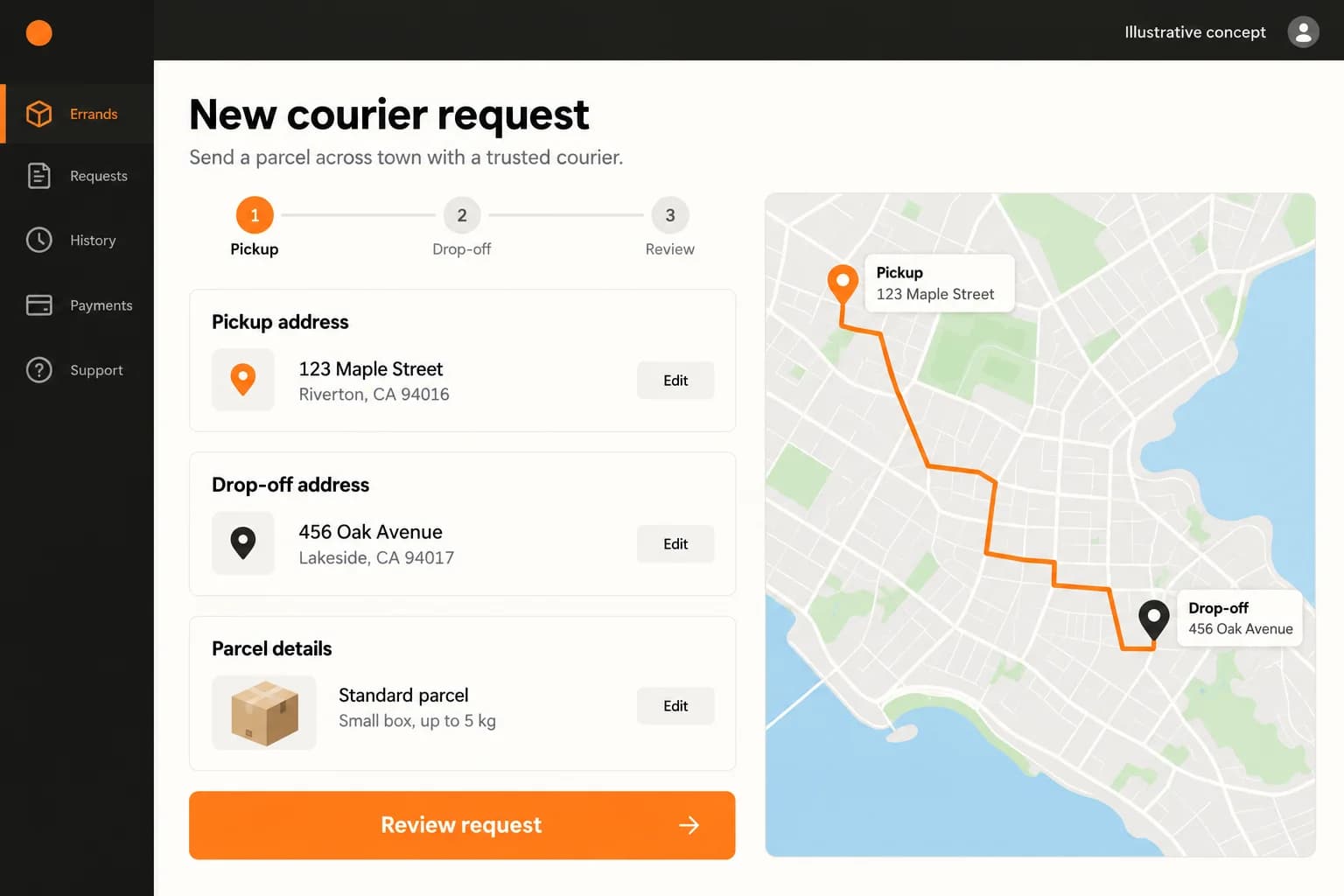
A listed merchant basket can identify products, prices and a branch that must acknowledge the order. A custom purchase instruction may start with a description or photo and an estimated budget, without confirmed stock or final price. Keep these request types explicit. The buyer needs to know whether checkout is buying identified goods or authorizing someone to seek them under limits. Neither request should be displayed as merchant accepted before that event occurs.
For custom shopping, define what counts as an adequate item description, which stores are eligible and whether the courier may choose a store. Exclude unsupported products before dispatch rather than making refusal a surprise at pickup. Keep quote assumptions visible, including whether goods cost is estimated and how service charges are calculated. A location pin and a notes field alone do not establish a safe purchasing contract or enough detail for a courier to execute it.
Make the purchase budget an enforceable instruction
A total spending cap needs a currency, included charge components and a rule for tax or other merchant additions. Decide whether item limits and the basket limit both apply. A courier should not be forced to guess whether delivery fees consume the goods budget. If the actual purchase would exceed the approved amount, seek a new authorization or remove the affected item under the agreed policy before committing funds.
Version the approved instruction so a buyer changing quantity cannot leave an earlier payment permission attached to a larger basket. Define who funds the merchant purchase and what evidence supports reimbursement. Do not assume a payment provider permits the proposed card, advance or courier-spend model. Demonstrate a rejected authorization and a buyer reducing the budget after assignment. The courier, buyer and operations console should recover the same permitted amount after reconnecting.
Substitutions require item-specific permission, not silence
The official Postmates replacement guidance distinguishes shopper-selected alternatives, approval-dependent replacements and item removal. Use that distinction to plan explicit choices without copying a reference platform’s limits or promising identical functionality.
A replacement proposal should show the changed brand, size, quantity and actual price. Keep a buyer’s selection attached to that proposal rather than treating a general chat reply as approval of any alternative. Define the timeout outcome before shopping begins. Silence may lead to removal under an agreed policy; it must not silently authorize higher spend. Test an expired proposal, a late approval and a second proposed item after the first was declined. Old approvals must not transfer between products.
Capture receipts as evidence of a purchase, not proof of delivery
An itemized receipt can help explain what was bought and charged, but it does not prove that the correct parcel reached the customer. Associate each receipt with the purchasing request, merchant and relevant line items. Keep estimated prices, approved revisions and actual totals separate. Highlight a missing receipt or a discrepancy for review instead of inventing a reconciled amount to make the order appear complete.
Receipt images may expose payment details, loyalty identifiers or unrelated purchases. Review redaction, storage and access before distributing them to every participant. Restrict original evidence to authorized reviewers and provide the buyer an appropriate account of their purchase. A courier reimbursement should reference the approved task and supported expense, not an unrestricted photo upload. Rehearse two similar store receipts arriving out of order and demonstrate that neither can settle the wrong buyer’s basket.
Identify the bag before assigning delivery responsibility
A courier can arrive at a merchant with several similar orders waiting. Record which packages belong to the request and who handed them over. Merchant-packed sealed goods and courier-selected purchases have different evidence: the courier may verify a label without being authorized to open packaging. Make the custody rule clear instead of treating a pickup tap as proof that every requested item was inspected and present.
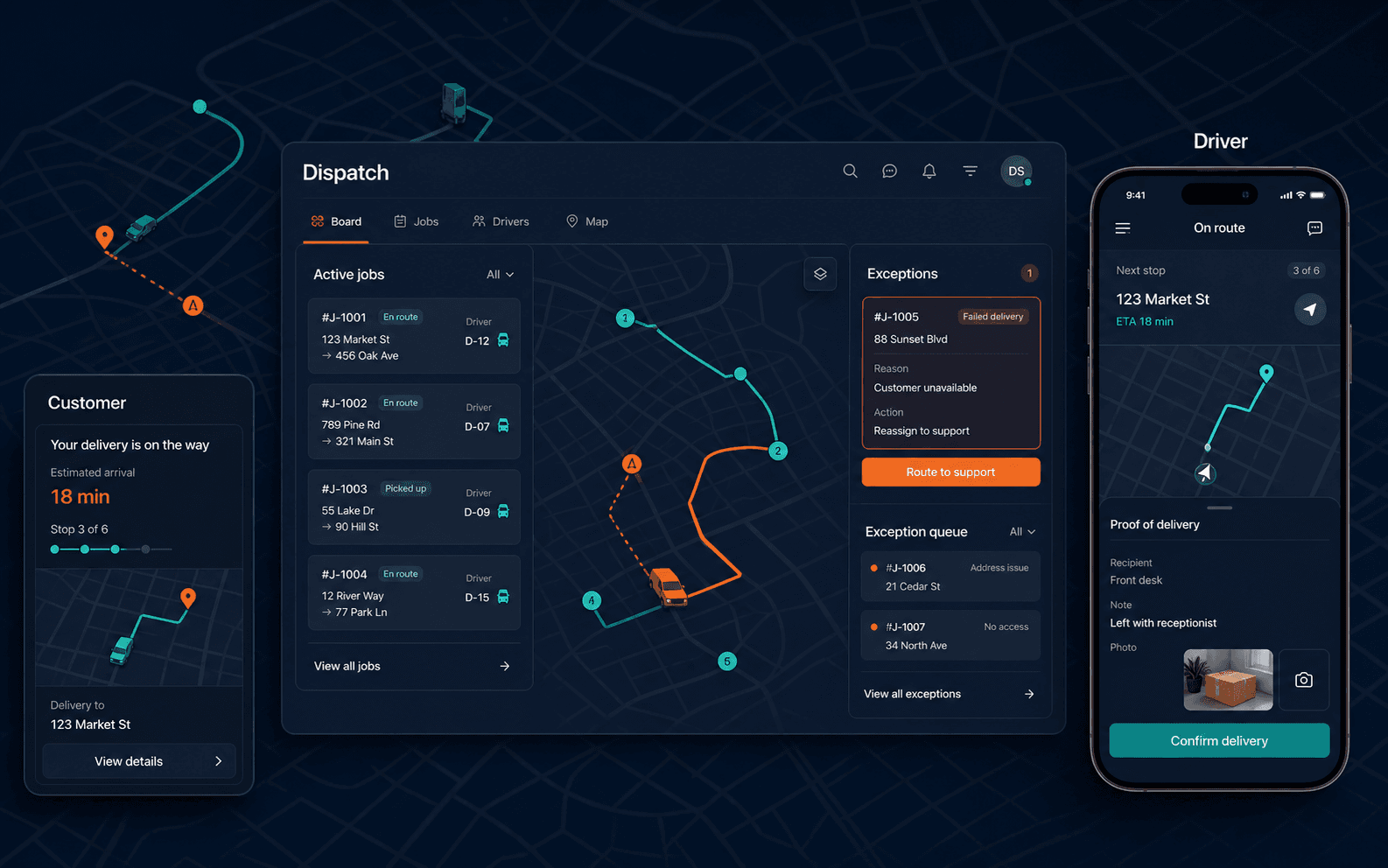
If a courier is reassigned after purchase, preserve the original receipt and record the package transfer. Do not create a second shopping task simply because a new driver accepts the route. Review suitability for parcel dimensions and safe handling before dispatch. Food, fragile goods and bulky items may need different operating constraints. Test a wrong bag, an incomplete pickup and reassignment during a connection failure so the operator can identify the last accountable handoff.