Build rental operations, not another booking directory
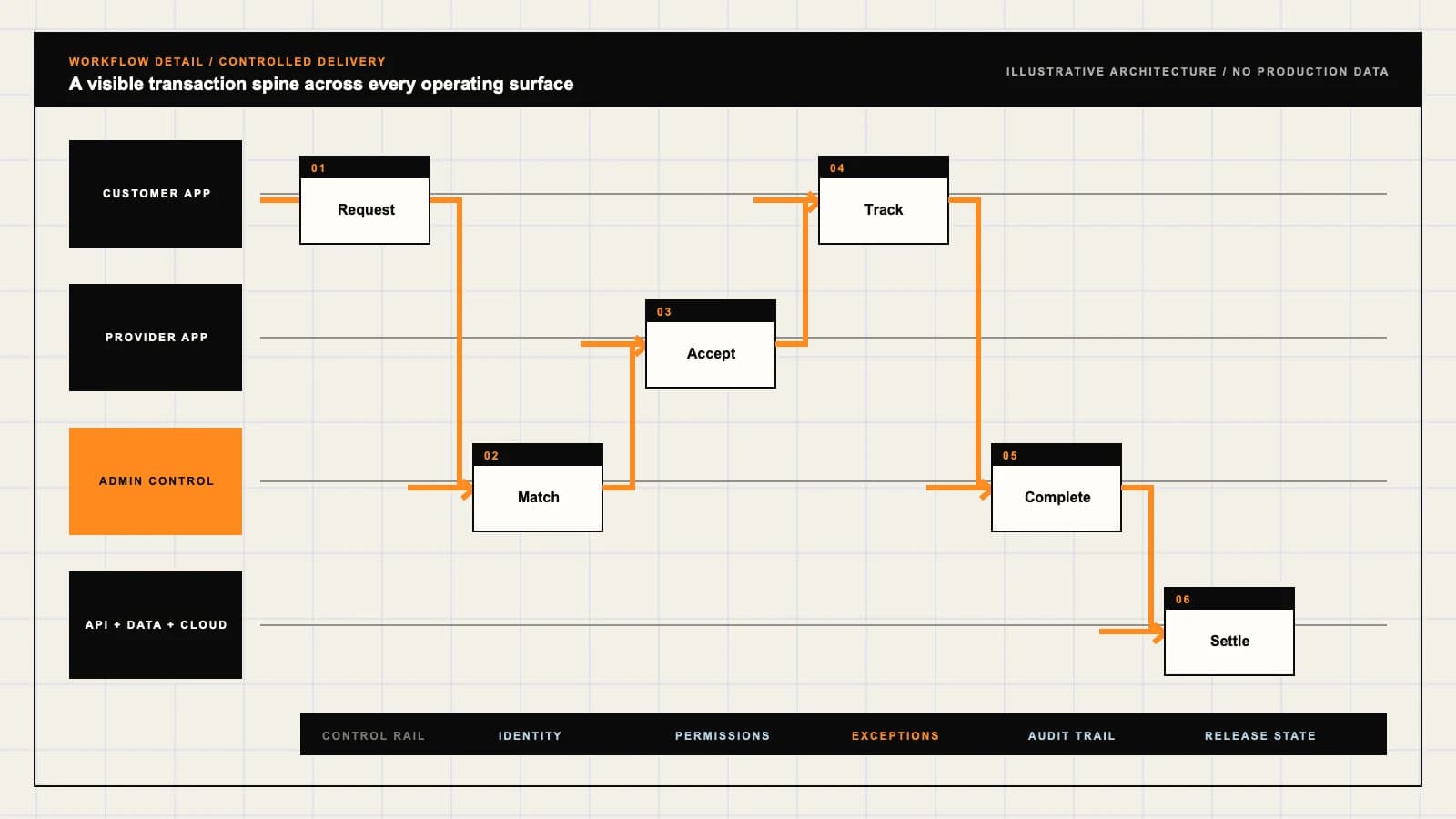
A resident sees an overdue balance after making a payment. The property manager sees a provider notification, while the accounting team sees no settled receipt. A useful rental management system must explain these differences and route the unresolved item to a named operator. A green payment badge alone cannot tell the business whether the rent account is reconciled.
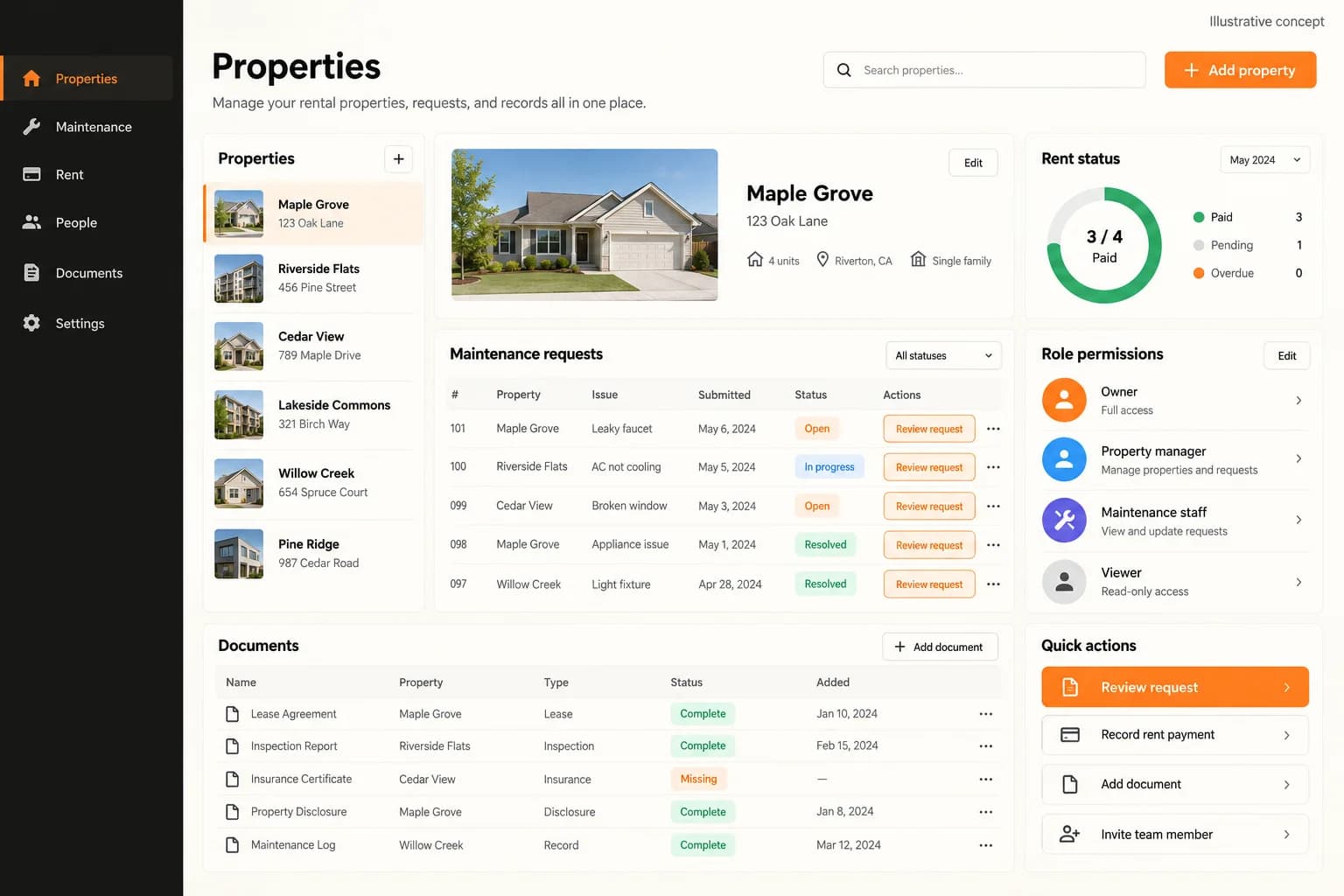
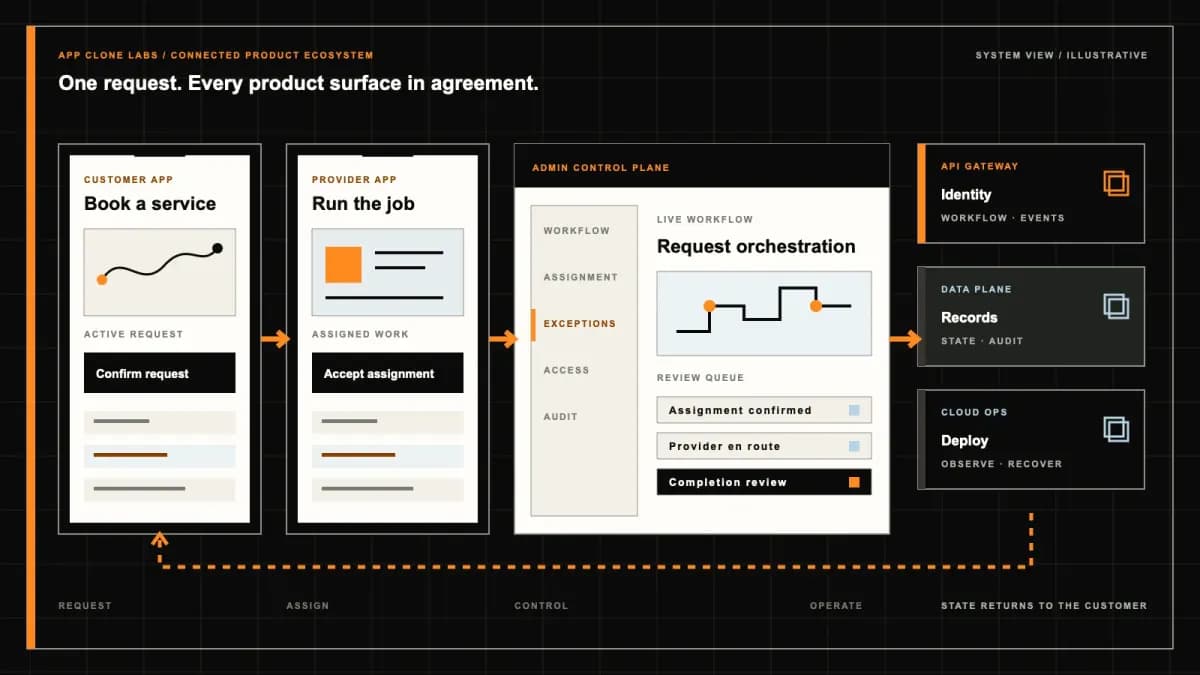
Buildium-style development means an independently branded rental portfolio platform connecting leases, resident records, rent administration, maintenance and reporting. Buildium is a category reference, not an affiliation or a source of proprietary software. This is a development brief for agreed capabilities, not a claim that every described module is already available in a working demo.
An established property management subscription may fit a conventional portfolio with supported accounting and operating practices. A custom build becomes worth evaluating when the business needs distinct approvals, a branded resident experience, integration with an existing ledger or unusual portfolio relationships. Compare the cost of configuring an existing product before commissioning its replacement.
For a booking-led accommodation model, compare the furnished rental scope instead. A long-term lease, rent schedule and maintenance obligation are different from a dated booking and check-in handoff. Combining both models expands the data, reporting and operating responsibilities.
Model properties, units and tenancy separately
A property can contain several units, a unit can have successive leases and a household can include multiple approved occupants. Keep these relationships explicit. A new resident should not inherit a former resident’s private correspondence, and moving a resident between units must not silently move historical charges to the new tenancy.
Agree how owners, managing entities and staff assignments relate to the portfolio. Retain historical responsibility when an owner or manager changes. Bulk import should show unmatched units, duplicate occupants and incomplete dates for review rather than guessing relationships. These decisions shape the resident portal and every downstream statement.
Lease records need versions and controlled documents
Record the applicable lease period, approved occupants and the version of terms actually accepted. A later template edit must not replace an executed document. Renewals, amendments and move-out records need their own effective dates and status. Electronic signing is a separately scoped integration with account access, document handling and failure recovery.
Document visibility should follow the tenancy and the user’s responsibility. Contractors normally need a work instruction, not a full lease or screening report. Define retention, correction and access revocation with the operator’s advisers. This page does not establish that a template, signature process or notice is legally suitable for any jurisdiction.
Treat rent charges, receipts and settlement as different events
A charge records an amount due; a payment event reports provider activity; an allocated receipt affects the resident account. Bank settlement and any owner distribution are further states. Agree partial payments, excess receipts, disputed amounts and allocation rules before promising automated collection. Keep corrections attributable rather than overwriting historical totals.
For an approved Stripe connection, its webhook guidance describes duplicate delivery and events arriving out of order. A handler must therefore avoid posting the same receipt twice and cope with a later failure or return. This technical example is not a recommendation that a particular provider approves rent collection or the proposed funds flow.
Make accounting boundaries explicit before estimating
Decide whether the platform maintains an operational resident ledger, integrates with external accounting or includes a defined accounting workstream. Ask which system owns balances and which team resolves differences. A reporting dashboard is not evidence that bank reconciliation, deposit administration, vendor liabilities or period-end controls exist.
Deposits need a separate treatment from ordinary rent. Agree who holds funds, how records are reconciled and who reviews proposed deductions or refunds. Do not imply that a deposit field establishes compliance with local handling requirements. Owner statements should be generated from reviewed data with visible reporting periods and correction history.
Maintenance is a service workflow with an accountable owner
Let residents describe the issue, identify the unit and add permitted attachments. Clarify what constitutes an urgent situation and show the operator’s appropriate contact instructions. Software can route a request, but it cannot create a staffed emergency service or promise a contractor response time the operator has not agreed.
Follow assignment, appointment, access permission, completion evidence and resident follow-up. A closed ticket should not automatically approve an invoice. Give vendors the information needed for the assigned work and require additional approval for scope or cost changes. Track reopened work without deleting the original completion record.