A booked yacht is not yet ready to leave the base
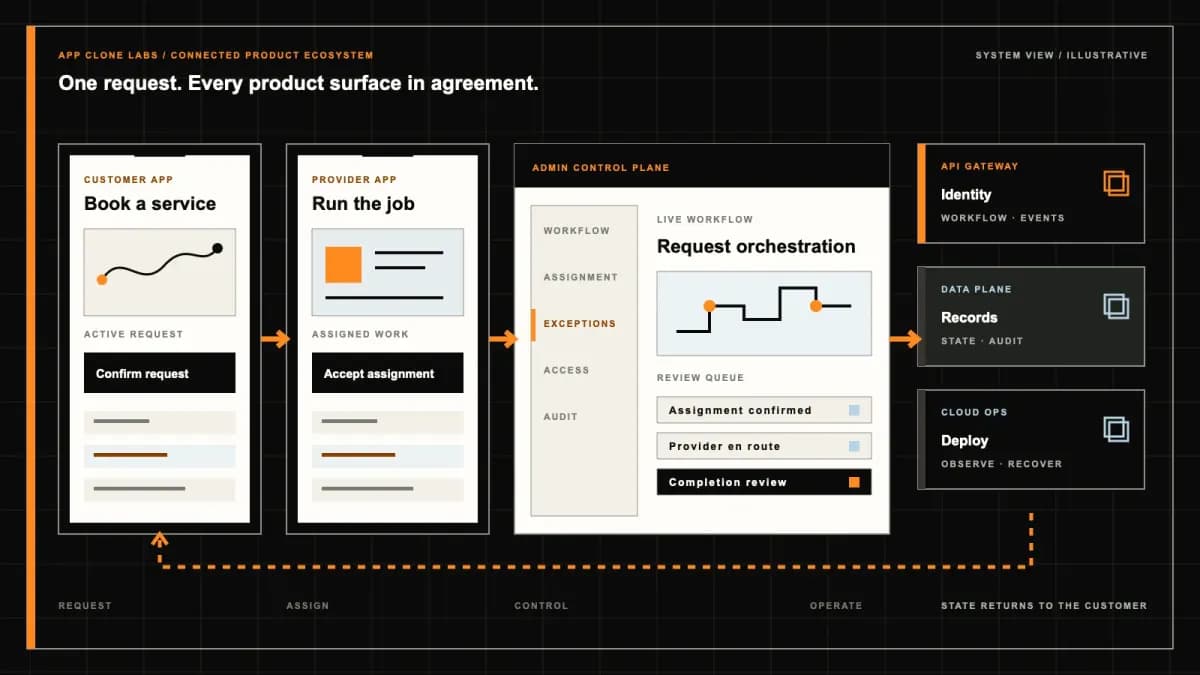
A guest has paid for a week afloat, but the previous charter returns late and inspection finds a repair that prevents departure. The reservation calendar can show success while the base cannot hand over the boat. A charter platform needs vessel allocation, turnaround and an accountable readiness decision alongside its booking journey.
Dream Yacht Charter-style development describes independently branded software for managed yacht charter operations. The reference name does not imply affiliation, proprietary software or connected fleet inventory. The buying brief covers your own contracting model, base teams and approved charter processes; it offers no current vessel availability or insurance certification.
Choose managed fleet operations before designing search
Identify who controls the vessels, contracts with the guest and can approve a substitution. A managed charter fleet coordinates bookings with physical preparation at a base. Boat sales require ownership and purchase workflows; a peer boat-rental marketplace introduces separate providers. Neither model should be silently folded into this operating brief.
For a broader supplier-connected journey, review the travel booking platform scope. Use that comparison to identify additional supplier responsibilities, rather than assuming a general travel reservation covers fleet readiness.
Search by departure base, dates and usable capacity
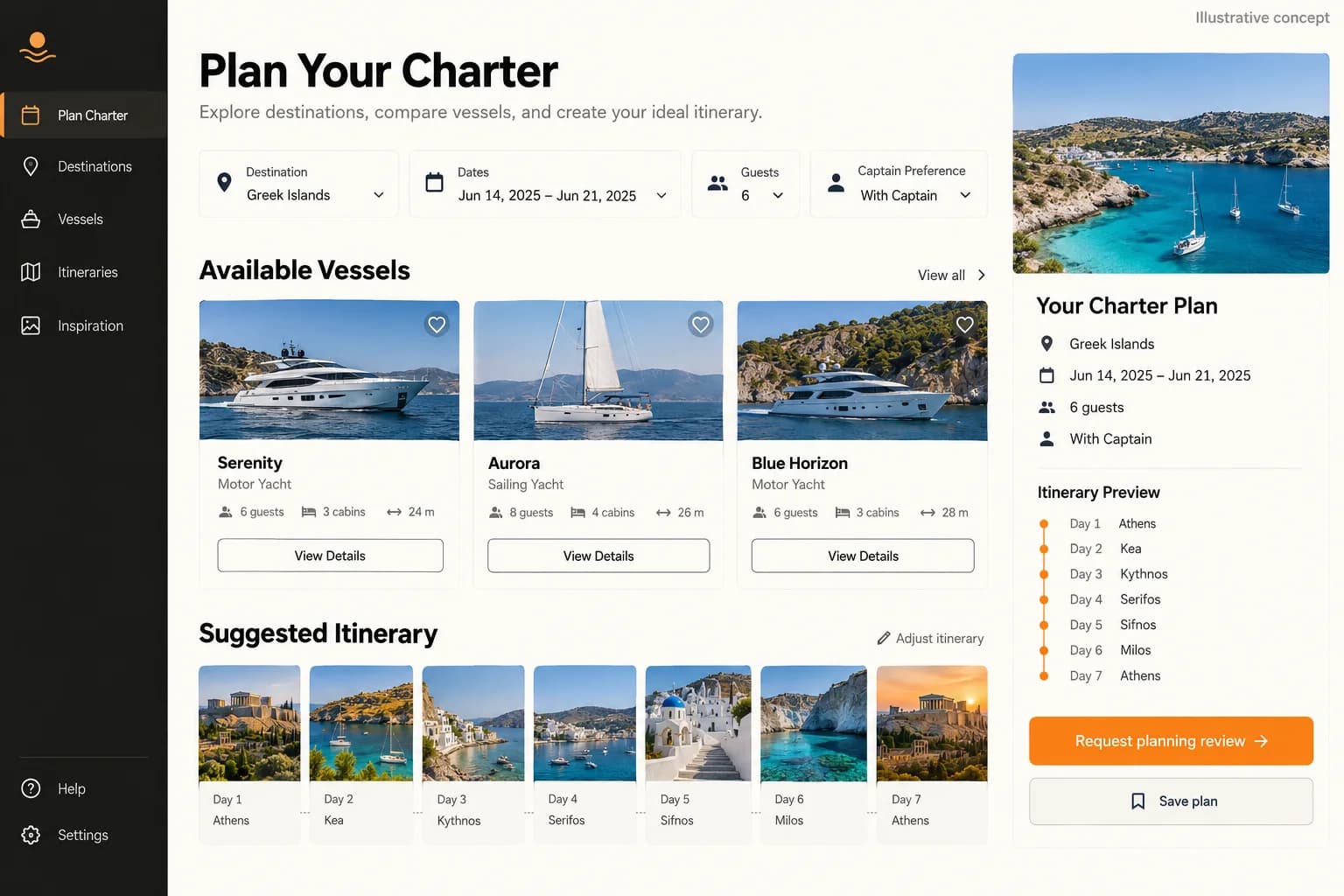
Capture the departure base, charter dates, party size, vessel type and crew arrangement. Show cabins, berths and approved occupancy clearly; these are not interchangeable numbers. Describe what the charter includes and which equipment requires a separate request. Example photography should not suggest a particular vessel is currently bookable.
Availability must account for maintenance, preparation and the vessel’s location. A date gap at one base does not prove the boat can start elsewhere. Agree the source of inventory truth and how old a supplier update may be before the customer sees request review rather than confirmation.
Keep bareboat qualification and crew availability explicit
The reference operator’s bareboat charter guidance describes destination-dependent qualification requirements and advises checking them before booking. This supports a product requirement for review; it is not a universal credential checklist or permission to sail.
Ask for the necessary sailing experience and credentials under the selected policy, and assign a reviewer. A submitted licence is evidence, not an approval decision. For skippered or crewed bookings, check staff availability, accommodation needs, duties and the relevant agreement. Collecting payment must not conceal unresolved crew or document conditions.
Present a conditional quote before committing the charter
Show the charter charge, mandatory extras, optional services, currency and payment schedule. Explain deposit treatment separately from earned revenue. A quote should say what is still subject to review, how long it lasts and whether any inventory hold exists. An attractive price without those conditions can create an expectation the base cannot fulfil.
Record accepted quote and contract versions. Changes to dates, vessel, crew or services may require a revised price and acceptance. Define who may approve an adjustment and how a failed payment affects the reservation; a pending payment event must not be interpreted as a completed deposit or refund.
Allocate the vessel with turnaround time included
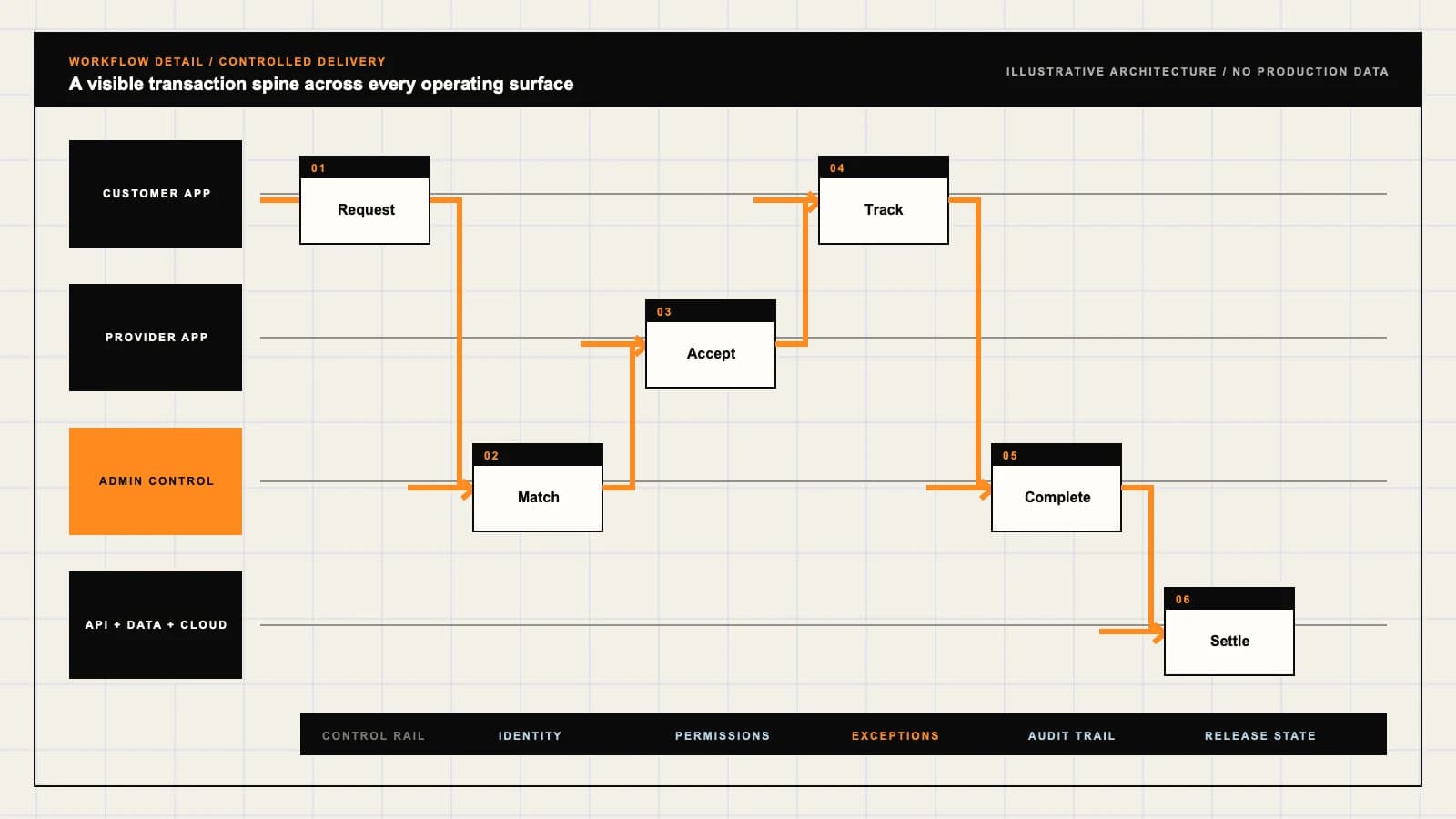
A charter request, a temporary hold and a confirmed allocation need separate states. Test two coordinators trying to commit the same vessel, an expired hold and a repair reported after confirmation. Each conflict needs a clear inventory owner and a customer communication route.
Plan preparation time around the real return and departure schedule. Cleaning, fuel, provisioning, equipment checks and repairs may affect readiness. If substitution is permitted, show the replacement details and revised terms for review; a hidden vessel swap can change guest expectations and qualification needs.
Treat the itinerary as a plan that needs review
The proposed route should identify departure and return bases, cruising area, intended stops and relevant constraints. Route feasibility depends on the charter arrangement, vessel, crew and local conditions. Border documents, passenger rules and any required permissions need review by the responsible operator and qualified advisers.
A map and weather feed support planning. They do not determine a safe passage, guarantee port access or replace the skipper’s judgment. Keep forecast timestamps visible and provide a way to revise the itinerary without losing the original charter, customer notices or approved changes.