A tasting credit is not permission to ship a bottle
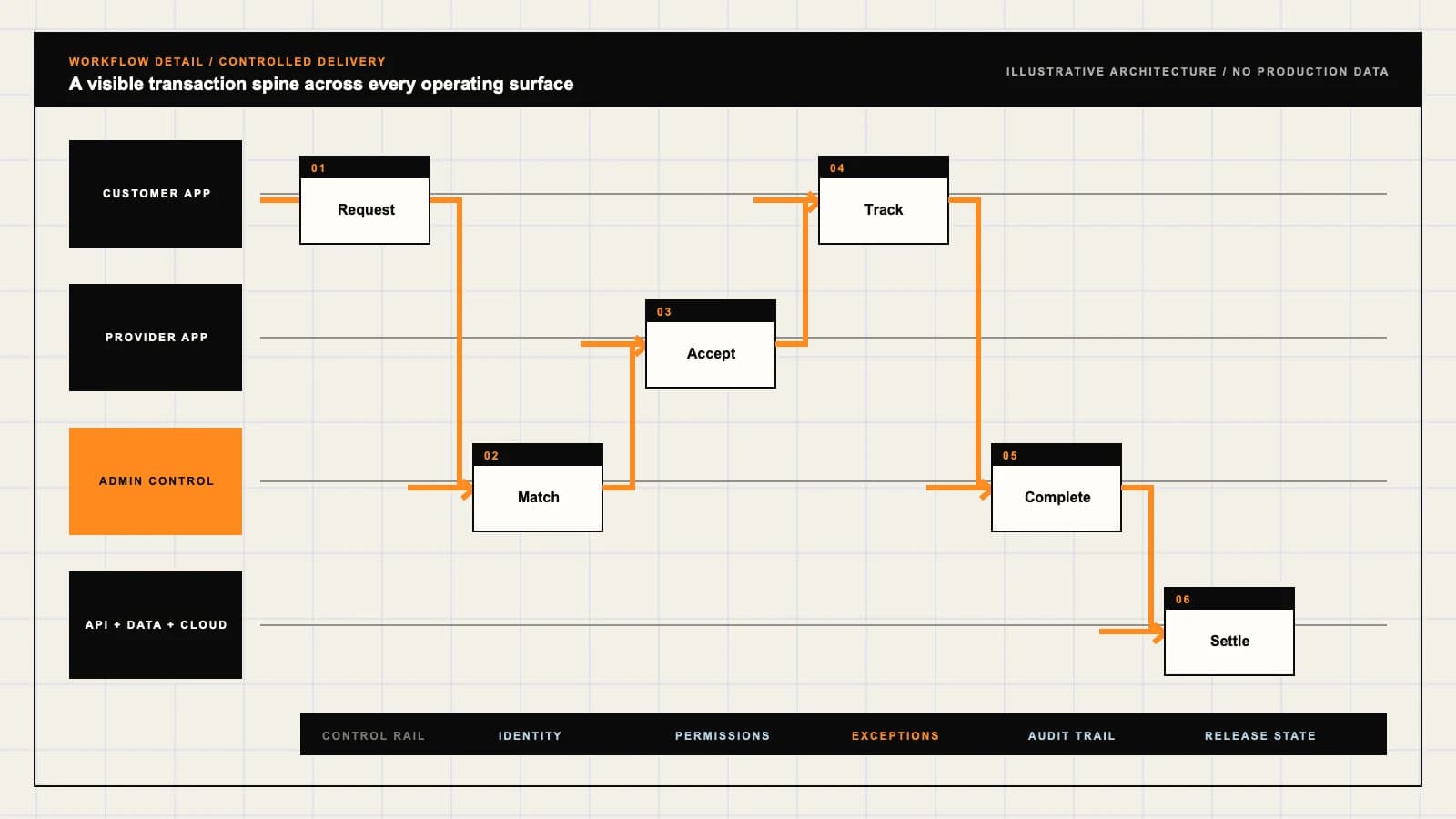
A member has an unused tasting credit, selects a bottle and changes the delivery address while checking out. The new destination is outside the retail partner’s permitted footprint. The product must stop the order without losing the member’s benefit, explain the restriction and show whether renewal remains active. A paid membership and a successful account check cannot resolve the seller’s shipping obligation. This separation is the central design problem for a curated spirits club.
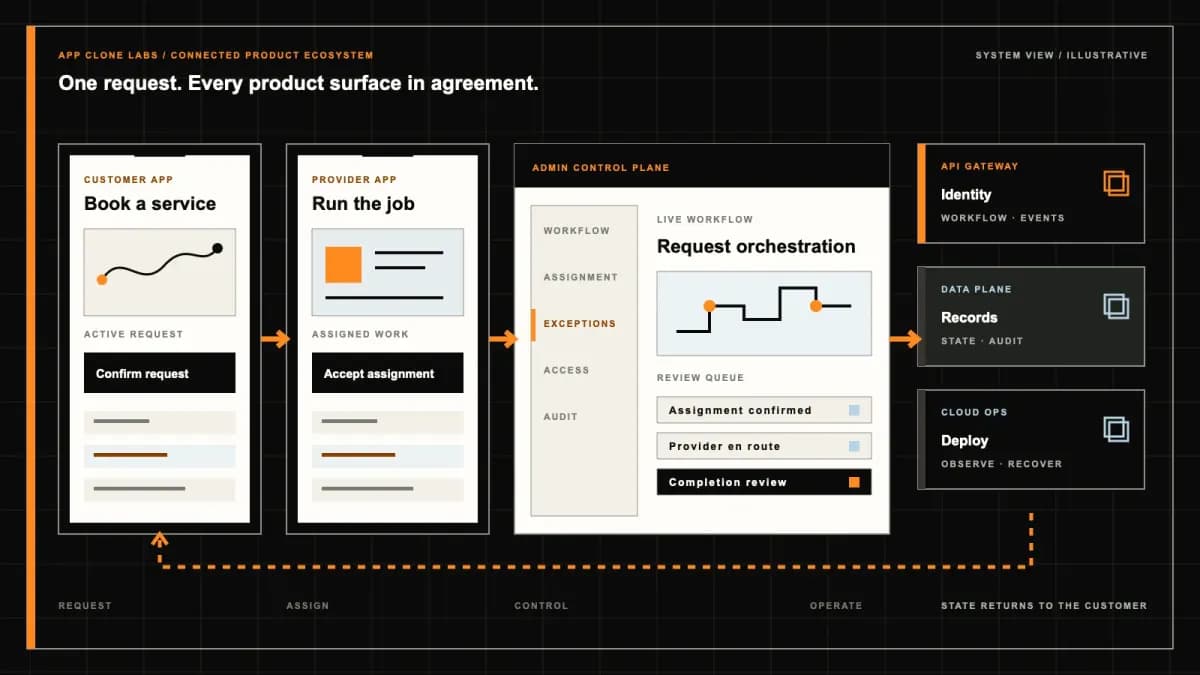
A Flaviar-style product combines membership entitlements, spirits discovery, tasting-led content and eligible commerce. The proposed software is independently branded; it does not include Flaviar affiliation, its retail network, product inventory or permission to sell alcohol. The buyer must establish qualified sellers, lawful promotion and reviewed destination rules. Start with one explainable membership and one fulfilment arrangement rather than a broad catalog whose benefits the operator cannot reliably deliver.
Separate a discovery club from a shipment subscription
A fee for content and member pricing is different from paying in advance for recurring tasting boxes. Define which model the operator offers and present that distinction before signup. List the term, included entitlements, eligible products, shipping charges and what requires another payment. A customer should not infer that joining creates a parcel every month when the plan only unlocks discounts. Keep promises tied to the plan version accepted at checkout.
For a shipment plan, record the selection deadline, fulfillment period and handling of an unavailable item. For an access plan, record the benefit period and renewal decision without manufacturing shipment obligations. Gift plans need a separate claim event and clearly stated activation timing. The buyer brief should include a sample plan sheet, a support explanation and an exit journey. These artifacts reveal ambiguity earlier than a pricing-card design can.
Filter discovery by seller and destination before redemption
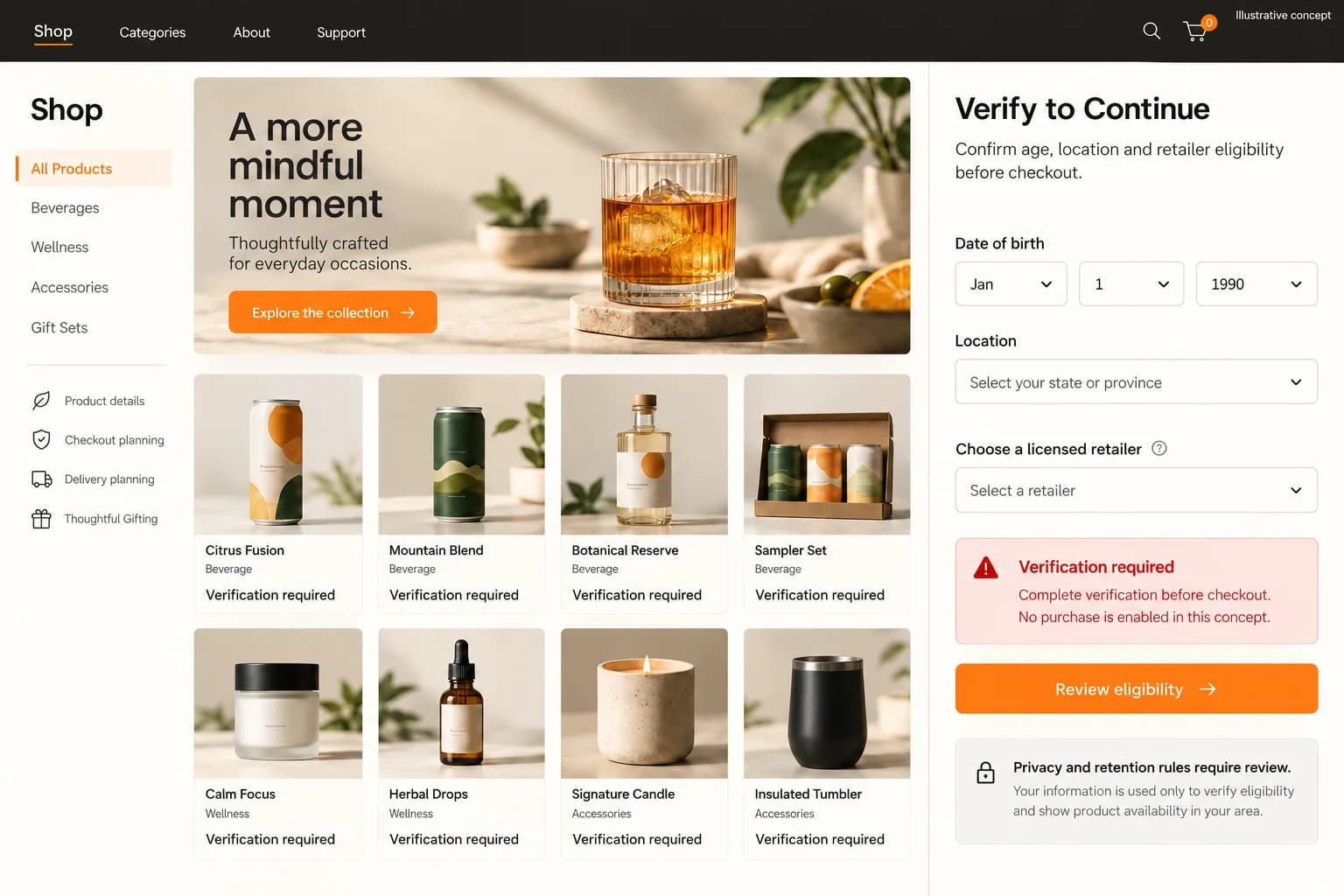
The Flaviar shipping guidance describes product availability as dependent on retailer and destination constraints, with recipient-signature and address restrictions. Use that reference to understand why browsing and shipping eligibility need connected rules, not to import its current shipping footprint into your own service. Your sellers and advisers must define the launch rules.
Ask for the intended ship-to location before presenting redeemable stock, then recheck when the address changes or the seller accepts. An eligible region does not make every bottle available there. Store product, seller and destination decisions separately so staff can explain a blocked basket. Do not consume a tasting credit simply because the customer pressed redeem. If eligibility cannot be determined, retain an unresolved order rather than assuming permission from a previous purchase.
Treat tasting credits as entitlements with a history
A credit shown as one number hides important differences: a prepaid benefit, a promotional grant and a support adjustment may have different restrictions. Record the reason, originating plan, issue date, expiry and eligible redemption categories. Show members which benefit will be spent and what happens if fulfillment fails. Reserve an entitlement during checkout and release it when the order is rejected; spending and restoring need distinct events rather than overwriting the balance.
Two browser tabs can try to redeem the last entitlement at the same time. The backend must accept only the authorized use, retain the other attempt’s outcome and avoid spending again when a callback repeats. Cancellation, credit expiry and an order reservation can also occur close together. Agree their precedence and preserve evidence of the decision. Do not label a credit cash or transferable value unless the commercial model and applicable review support that interpretation.
A tasting set needs an accurate contents list, quantities, product identity and relevant disclosures. Distinguish producer-supplied descriptions from your editorial notes and explain where images are illustrative. Tasting language can describe aroma or style without claiming a health benefit or prescribing consumption. Avoid countdown pressure or rewards that encourage greater alcohol consumption. Decide who reviews product changes before a revised description reaches a paid member.
Product information rights and media rights belong in the scope agreement. A picture scraped from a retailer is not evidence of stock, authenticity or reuse permission. Use sample product records for demonstrations and identify them clearly. Accessibility matters here: text should communicate the contents even when images cannot load, and preference controls should not depend only on color or bottle photography. Buyer review should include a mislabeled set and a corrected description with its change history.
Show renewal authority before the next charge
Membership renewal should have an explainable authorization, upcoming period and price. Preserve the accepted terms and the notice required for the operator’s market and plan. A changed benefit package or fee needs the reviewed communication and approval process, not a silent edit to a database row. Distinguish active, renewal-disabled, payment-unresolved and expired states so customer support can explain why someone still has access after ending future billing.
When a billing response is uncertain, reconcile with the provider before another charge. A repeated success event must not grant duplicate credits or start overlapping periods. Failed payment should enter the agreed recovery path with clear member communication rather than immediately deleting account history. Renewal notices, payment receipts and marketing preferences are different message categories. Test the member’s ability to reach cancellation on a mobile device before adding promotional renewal banners.
Cancellation and benefit expiry need different decisions
The Flaviar cancellation explanation distinguishes plan-dependent cancellation effects and refund treatment. It is useful evidence that ending future renewal, ending access immediately and refunding unused value are separate decisions. Your operator needs its own reviewed terms; the referenced company’s windows and eligibility conditions are not promises for this build.
Show the requested effective date, any remaining access and the treatment of unused entitlements before confirmation. Keep a pending parcel visible after membership cancellation rather than hiding its support route. If immediate cancellation revokes credits under the reviewed policy, explain that consequence explicitly. Record the member’s request and confirmation even when a staff member completes it. A cancellation button that merely opens an unattended email draft is not a demonstrated cancellation process.