A boat inquiry is not a confirmed departure
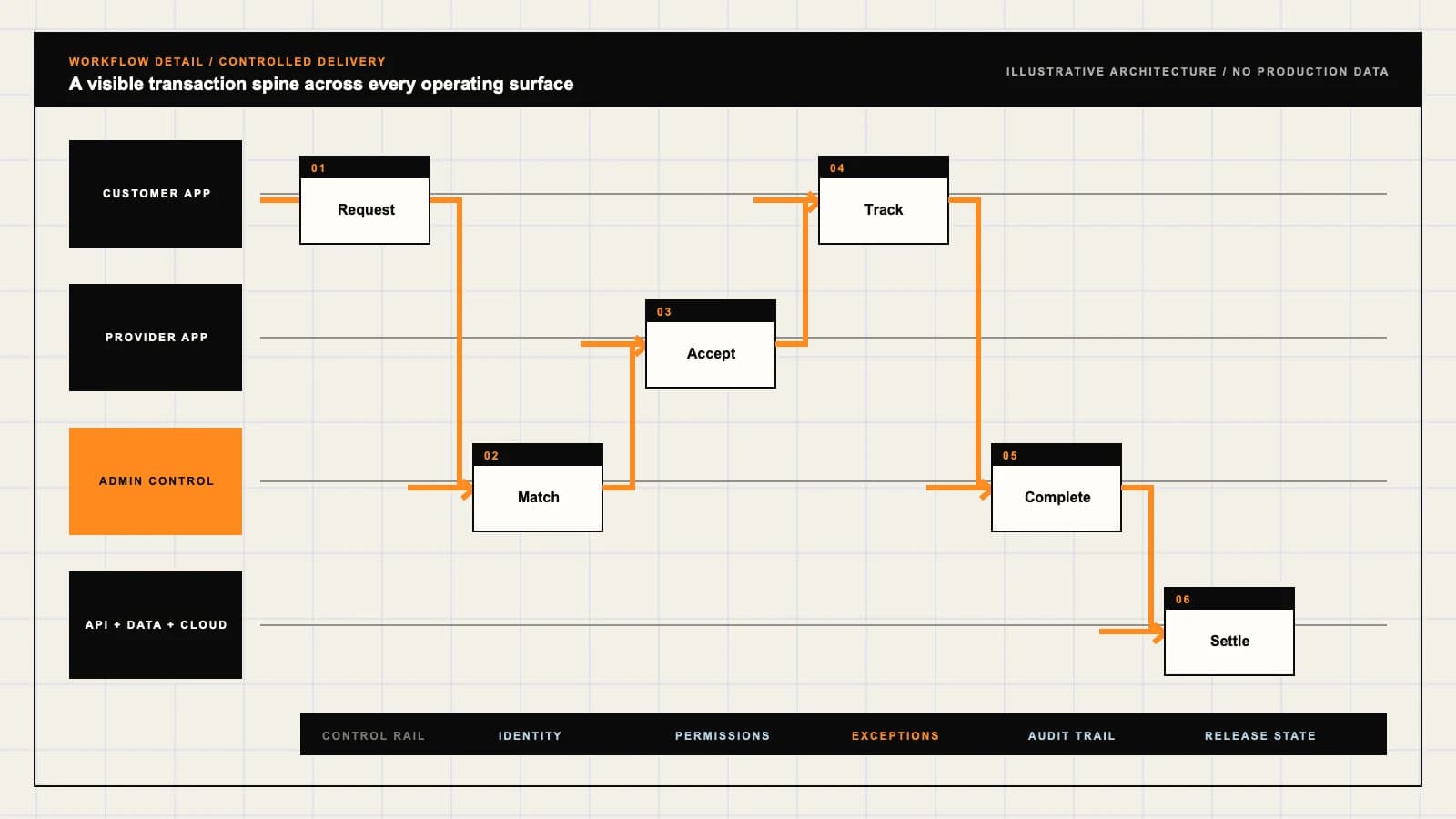
A renter selects a boat for Saturday, requests eight places and receives a message from the owner. The boat is still awaiting a maintenance check and its captain has another commitment. A sent inquiry, an accepted quote and an authorised departure are different events. A boat marketplace should make those states visible before it promises a trip.
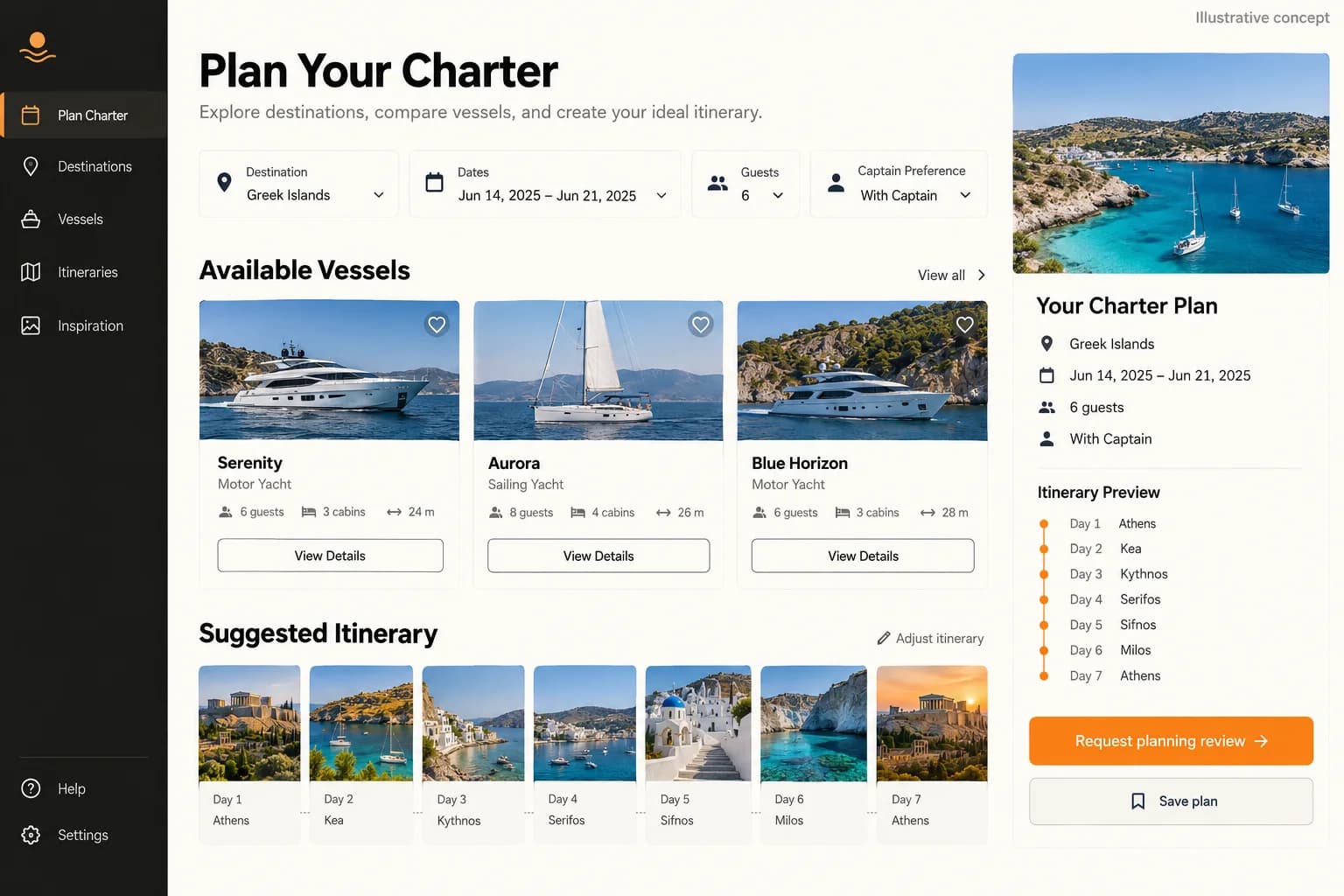
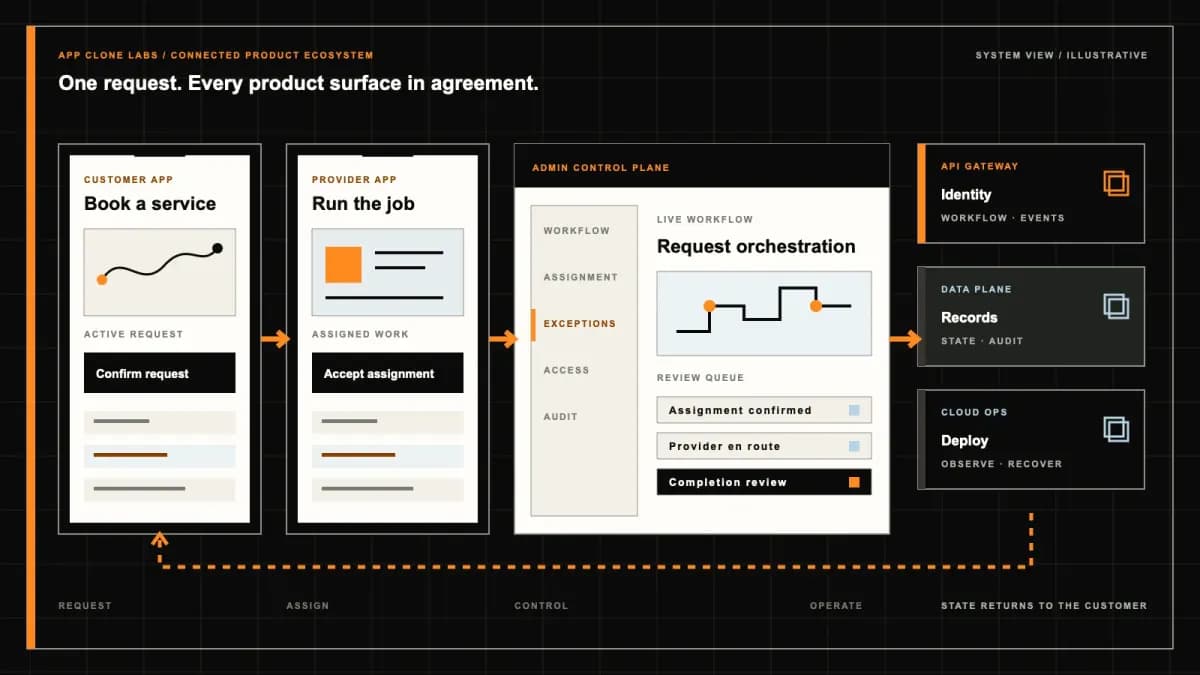
GetMyBoat-style development describes independently branded boat discovery, rental requests and charter operations. GetMyBoat is a reference name, not an affiliation or a supplied inventory connection. The useful buying question is whether the proposed software can carry your own operator’s offer through confirmation, boarding and resolution when the trip changes.
Choose a boat marketplace rather than a vessel sales workflow
Rental discovery connects a trip organiser with an owner or charter operator for a defined period. Vessel sales involve ownership enquiries, broker relationships and a different transaction. Decide whether your marketplace introduces parties, manages bookings or supports your own fleet; each choice changes the contractual and support responsibilities.
For broker-led vessel discovery and sales enquiries, compare the YachtWorld-style scope. A sale listing and a charter calendar should not share an assumed checkout simply because both describe boats.
Describe the trip and passenger capacity precisely
A listing should identify the vessel, departure area, duration options, permitted activities and passenger capacity under the operator’s reviewed policy. Explain whether the advertised price includes a captain, fuel, equipment or other charges. A photograph of a larger boat must not stand in for the actual vessel being offered.
Collect passenger count and relevant trip needs before quoting. Define how children, crew and special requirements affect the operator’s review rather than inferring capacity from a generic boat category. Changed passenger numbers should trigger an appropriate recheck; a renter editing a booking must not silently increase an approved group.
Separate captained and bareboat arrangements
A captained trip needs a defined crew responsibility and a check that the required captain is available. A bareboat arrangement needs an agreed renter eligibility process and clarity about who operates the vessel. Do not present a captain preference toggle as proof that either model is permitted in every market.
Scope document collection, corrections and review with the operator and qualified advisers. Record what was reviewed, its validity period and who made the decision. Marine licensing, charter rules and insurance depend on the vessel, activity and jurisdiction; software cannot turn an uploaded credential into universal operating permission.
Make inquiry, quote and confirmation separate steps
An inquiry should show requested dates, duration, party size and the next response step. An operator offer should identify the vessel, departure point, inclusions, charges and expiry. Decide when inventory is held and what makes an offer binding. A pending payment or unanswered message should not masquerade as a confirmed booking.
The W3C guidance on labels and instructions supports clear explanations of expected inputs. Apply it to passenger counts, departure dates and document requests, then assess accessibility across the actual booking journey; instructions alone do not establish conformance.
Keep the fleet calendar authoritative
Track availability for an individual vessel and the resources the trip needs. Maintenance, preparation, crew commitments and repositioning can make a boat unavailable between trips. Agree time zones and turnaround buffers rather than treating every unbooked hour as sellable. Expired offers must release their holds according to the selected policy.
If availability arrives from another system, show when it was last refreshed and define who resolves a conflict. Test two renters accepting overlapping offers and a vessel blocked after an inquiry was sent. External calendar access, data rights and reliable updates need confirmation; listing a provider name does not establish a working connection.
Explain payments, deposits and operator settlement
Show the currency, full quote, amount due now, later balance and optional extras before acceptance. Distinguish booking payment, a refundable deposit, a payment authorisation and earned commission. Define how trip changes affect each amount and who can approve an adjustment. A single paid label hides obligations the support team must resolve.
Payment events need reconciliation when a confirmation fails, a charge is retried or a refund remains pending. Deposit release and damage adjustments require an agreed evidence and review process. Provider eligibility and funds responsibilities need review; a sandbox checkout does not establish permission to hold customer funds or settle with vessel operators.