The customer bought a particular bottle, not a similar label
A shopper orders a specific release as a gift. The warehouse has the same brand in another bottle size, while the final unit of the requested release has just sold in the physical shop. A generic product record can turn that conflict into an unwanted substitution. An online bottle shop needs item identity, trustworthy reservations and a clear consent path when the accepted bottle cannot be supplied. An attractive catalog cannot compensate for a parcel containing something the buyer never approved.
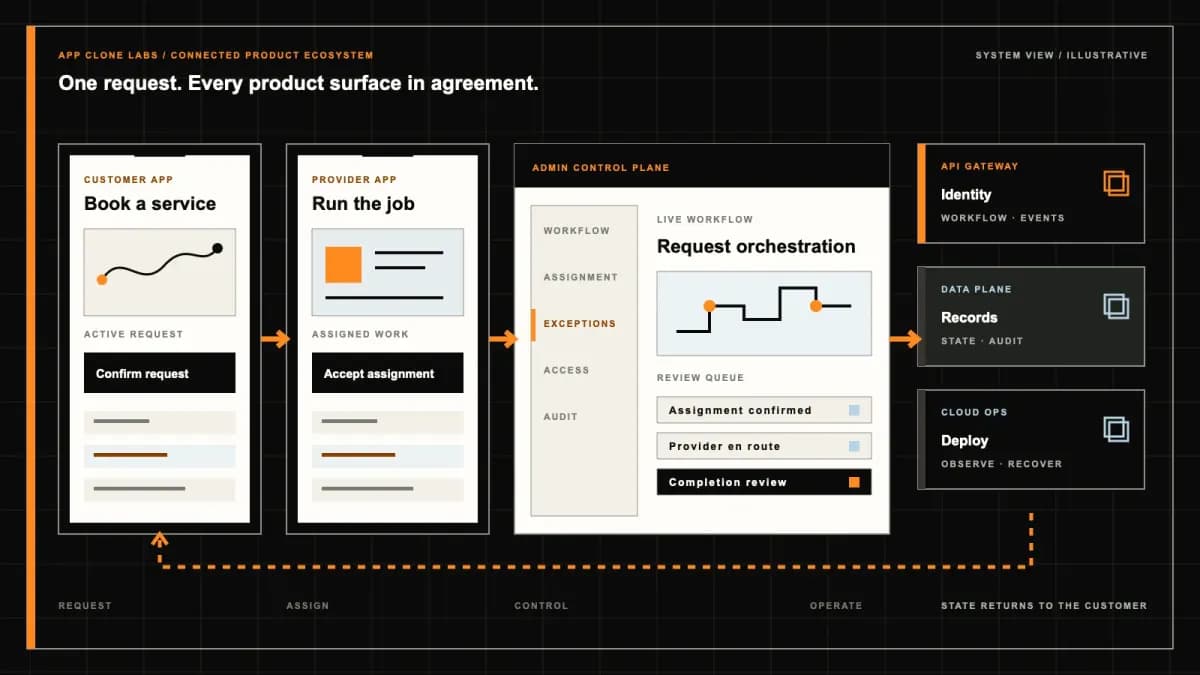
This page scopes independently branded software for licensed retailers evaluating online bottle sales and permitted fulfillment. It does not include Nestor Liquor inventory, proprietary systems, merchant relationships, protected branding or shipping permissions. The reference describes a storefront model, not a commercial affiliation. The buyer must establish who sells the goods, where they may be sold and which partners can carry them before treating a checkout demonstration as an operating business.
Describe bottle size, vintage and release before discussing search filters
A product family and a purchasable bottle are not interchangeable records. Keep size, relevant vintage, release identifier and bundle contents attached to the stock unit the customer accepts. Where a field does not apply, omit it rather than manufacturing detail. Product photographs should represent the actual variant or disclose their illustrative limits. Search facets and comparison cards must use the same attributes as the basket and packing screen, or customers will discover the distinction only after payment.
Supplier descriptions need review for accuracy, rights and responsible presentation. Do not frame alcohol as a health product or use unsupported rarity and investment claims to pressure purchases. Record who approved significant catalog edits and retain the accepted description with the order. Demonstrate a similar-label picking mistake and a changed vintage description. The useful acceptance result is a detected mismatch and an accountable correction, not simply more filters on the storefront.
Reserve limited stock across the website and physical counter
Two shoppers reach checkout for the final bottle while a cashier completes an in-store sale. Define which system owns sellable stock, when a reservation begins and when it expires. Separate available, reserved, damaged, quarantined and supplier-expected units. A purchase order from a distributor is not physical inventory. If stock synchronization is delayed, the merchant needs an explicit oversell response rather than a confirmation email promising a bottle the store cannot locate.
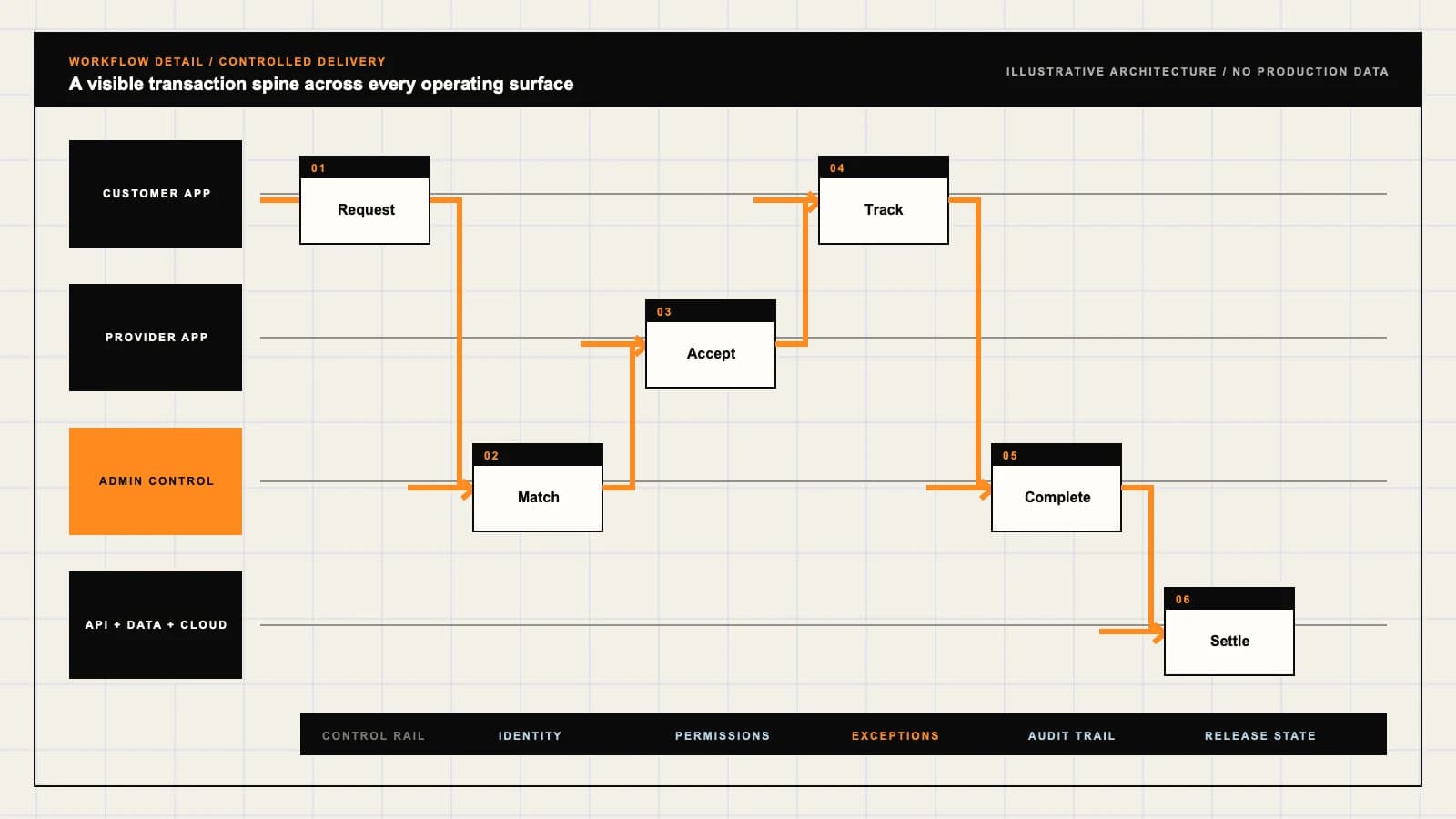
Repeated checkout requests should recover the same reservation and payment attempt. Release stock when the agreed condition is met, while retaining the reason and any pending payment uncertainty. Manual adjustments require attribution and a reconciliation queue. Rehearse concurrent online and counter sales with one unit remaining. Buyers should inspect the losing checkout, stock correction and customer communication before approving limited-release merchandising or promotional traffic.
Destination eligibility belongs before payment and again before dispatch
The reference retailer’s published shipping policy describes destination exclusions and adult-signature delivery arrangements. Those are that retailer’s current operating terms, not a portable authorization for another merchant. Use qualified review to establish the proposed product, origin, destination and carrier boundaries; do not copy a state list and call the resulting storefront compliant.
A valid postal address does not prove that every item in its basket may be shipped there. Apply reviewed restrictions to the actual product and fulfillment origin. Recheck eligibility when an address, warehouse or service changes. Explain why an order needs review without exposing unnecessary verification information. Keep rejected routes distinct from temporary carrier outages so support cannot bypass a restriction merely to clear a pending order.
Separate checkout declarations from permitted recipient verification
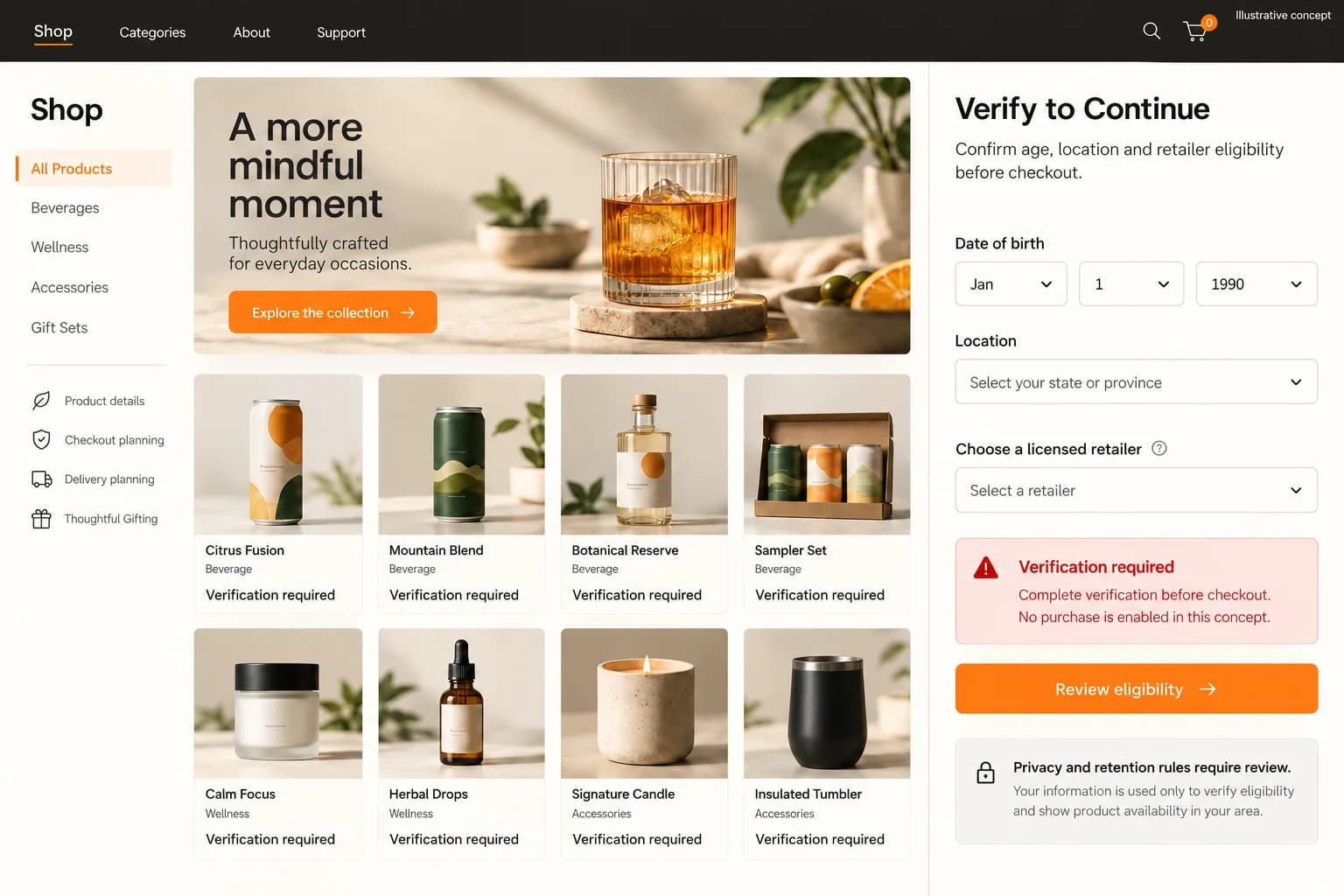
A checkbox and a date field can explain entry conditions, but they do not prove who will receive a parcel. Define the verification purpose at account creation, purchase and handoff with appropriate specialists and authorized providers. Request only the information necessary for that purpose. Do not retain identity-document images by default simply because a provider can return them. The operator needs a documented reason, access boundary and retention decision for sensitive evidence.
Give failed or inconclusive checks a reviewed next step rather than a permissive retry loop. A support agent must not be able to change a verification outcome casually. Record the responsible decision and what the customer was told while minimizing stored personal data. Software supports the agreed controls; it cannot guarantee lawful sale, safe consumption or universal compliance. Buyer acceptance should include denied access and attempted privilege escalation, not only a successful verification animation.
A gift purchaser and the receiving adult are different people
The billing contact buys a present for another household. Keep payer, delivery contact and intended recipient roles distinct, and explain which permitted recipient arrangements apply. Gift messaging must not conceal the need for an eligible person at handoff. Do not assume an unattended surprise delivery is possible. Collect enough contact information to coordinate the shipment without disclosing the purchaser’s payment details or private account history to the recipient.
Define who can amend instructions, request support and receive refund information. A recipient may report broken packaging without authority to change the payer’s financial transaction. Conversely, a payer cannot demand that a carrier ignore required checks to complete a surprise. Test a recipient who is unavailable and a gift address that fails eligibility. Resolve those cases before offering corporate gifting, bulk address uploads or personalization that makes cancellation more complicated.
A replacement bottle requires consent before packing
A different vintage, smaller size or alternative release can change what the buyer considers acceptable even when the price is similar. Preserve the original item, proposed replacement, price effect and explicit response. Silence is not agreement. If the customer declines or cannot be reached, follow the reviewed cancellation or partial-order policy. A warehouse substitution button must not transform inventory convenience into customer consent.
Bundles need the same discipline at component level. Decide whether an unavailable component blocks the entire bundle or permits an approved revision. Show the revised basket and charges before commitment. Keep substitutions separate from correcting an erroneous product description. Demonstrate a rejected replacement after payment authorization and inspect the stock release and financial next step. This makes the acceptance review about what the customer receives rather than how quickly staff can close the order.