Revoking a delivery link cannot recall a downloaded file
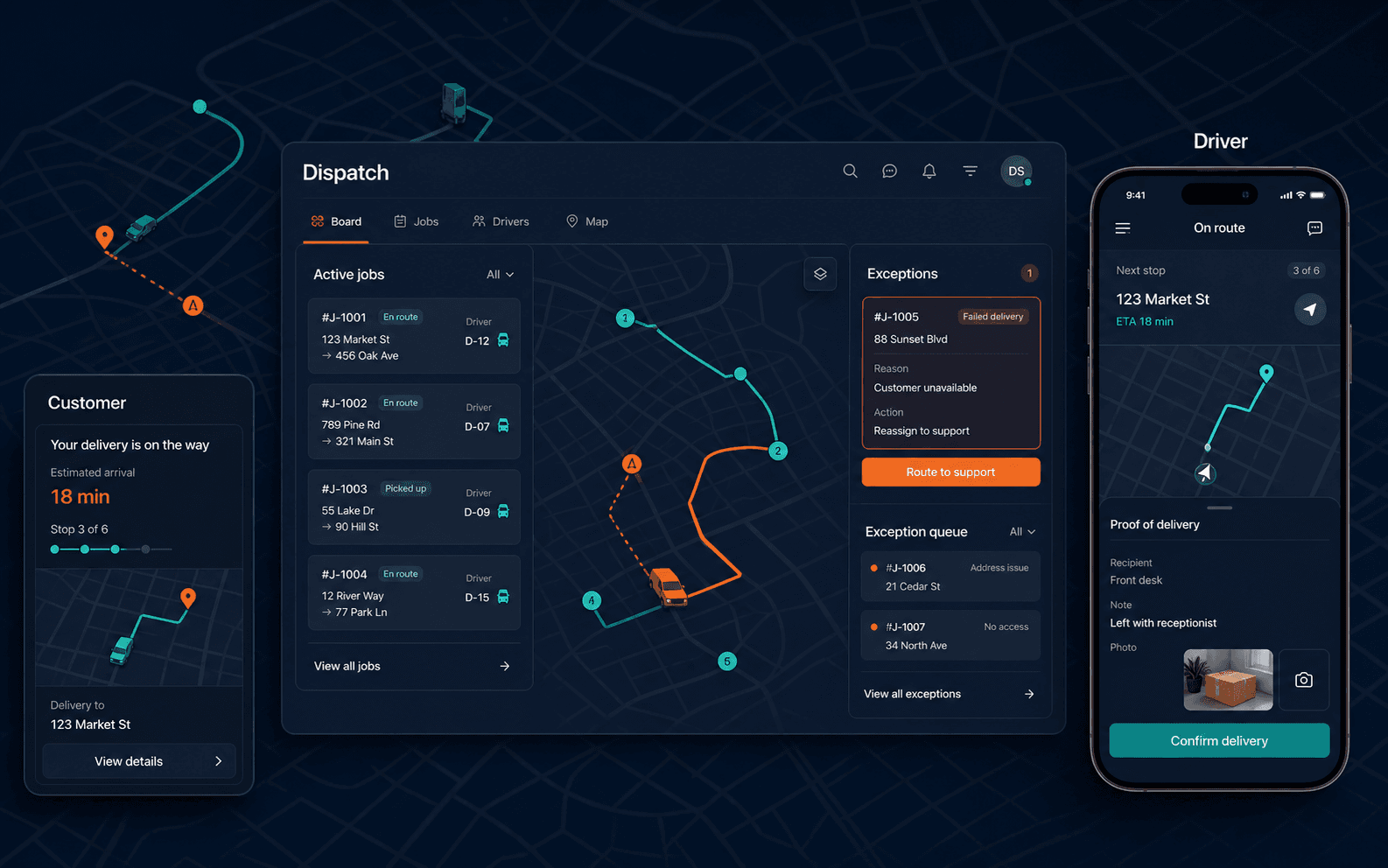
A studio sends a project package to a client, then discovers that the delivery link reached the wrong person. The sender revokes it, but one download has already completed. The product can deny future access on surfaces it controls; it cannot reach into a recipient’s device and erase that copy. A managed transfer service needs an honest incident view showing authority, timing and completed actions before it needs another decorative upload animation.
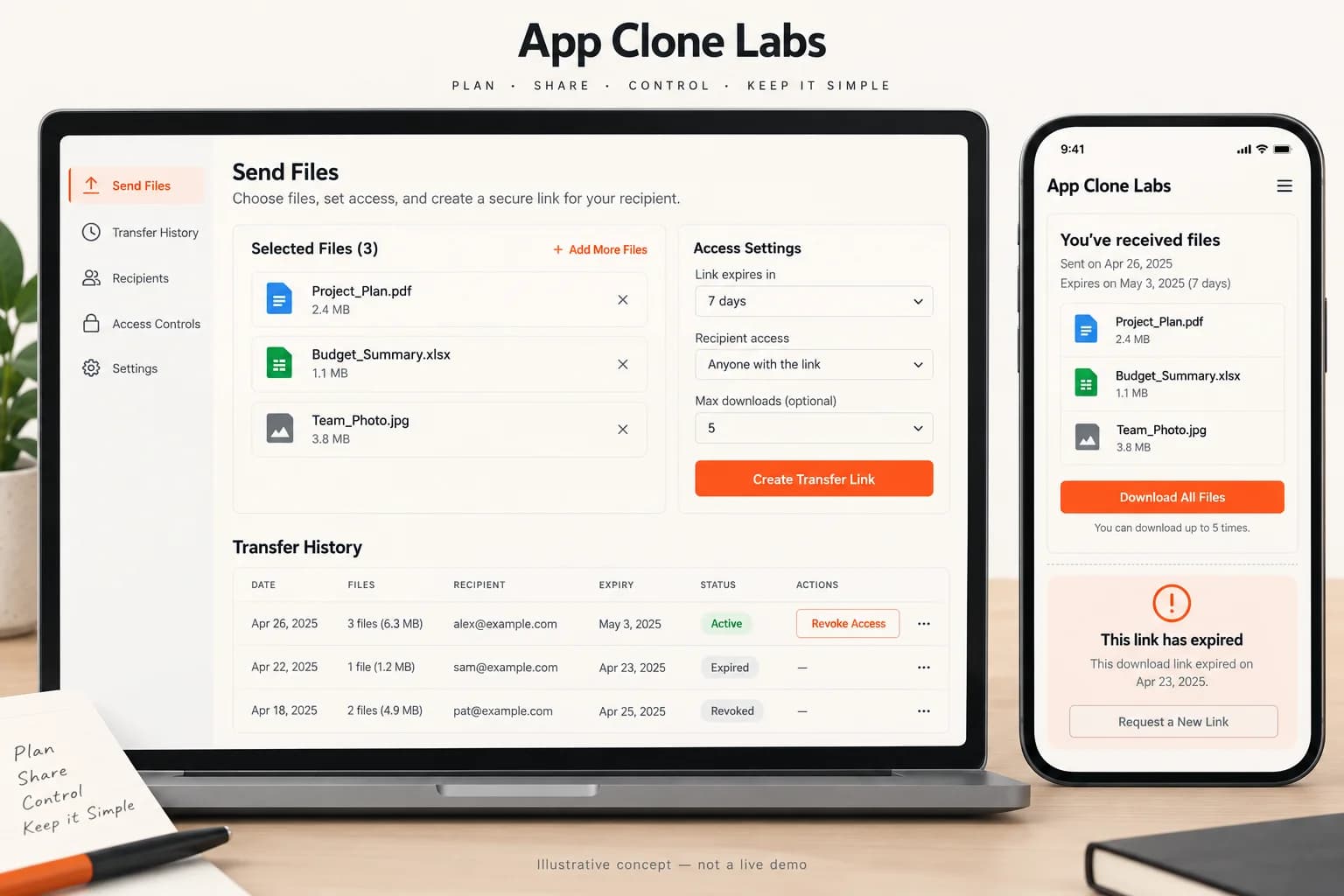
TransferNow-style software planning concerns independently branded file delivery for business senders, external recipients and workspace administrators. The reference describes managed transfer mechanics, not TransferNow affiliation, proprietary infrastructure, customer accounts or provider contracts. Define package handling, recipient rules and organization accountability together. Illustrative screens can describe the intended workflow, but they cannot establish measured throughput, malware effectiveness or regulatory certification.
Choose managed delivery when organization authority matters
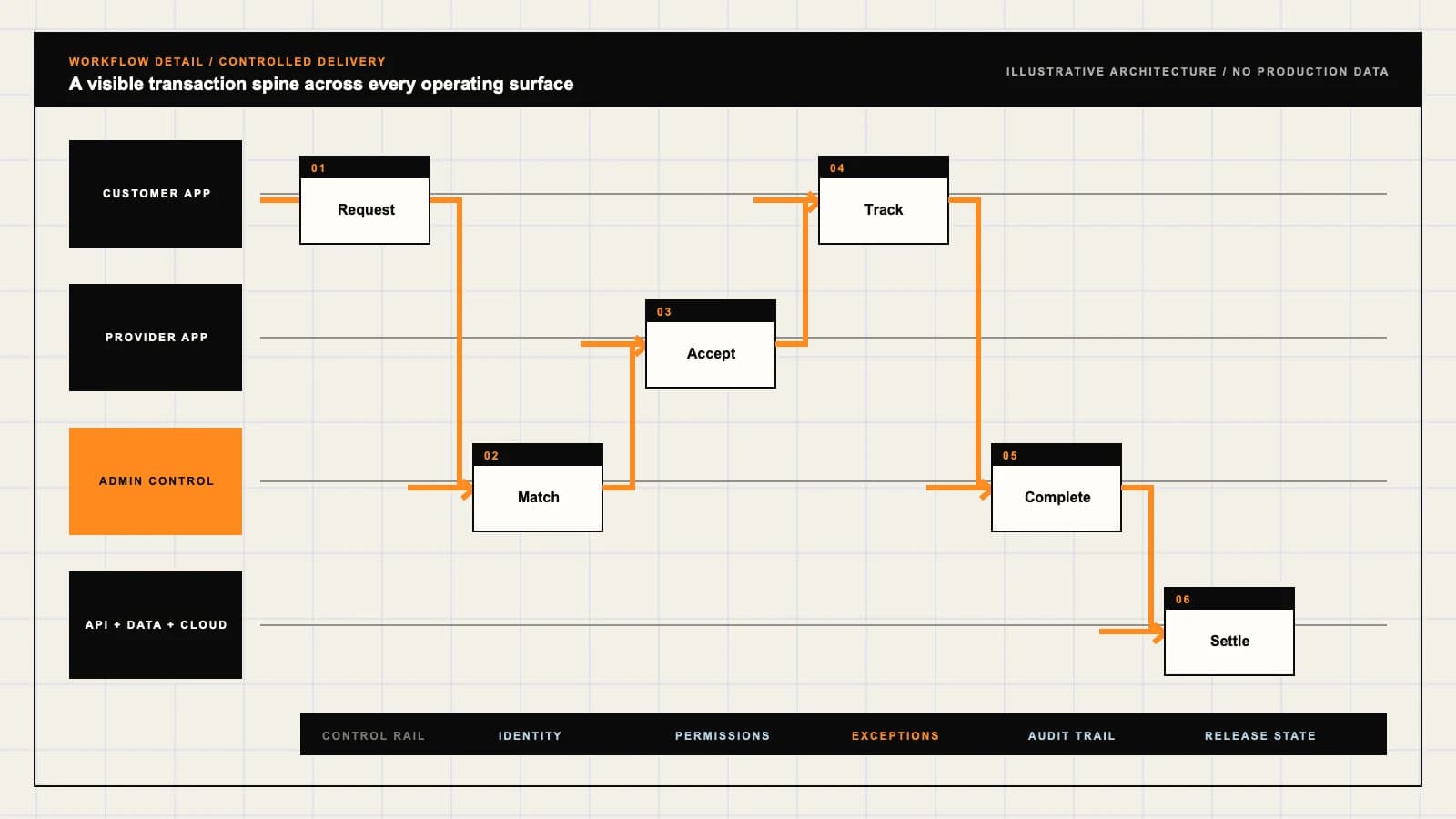
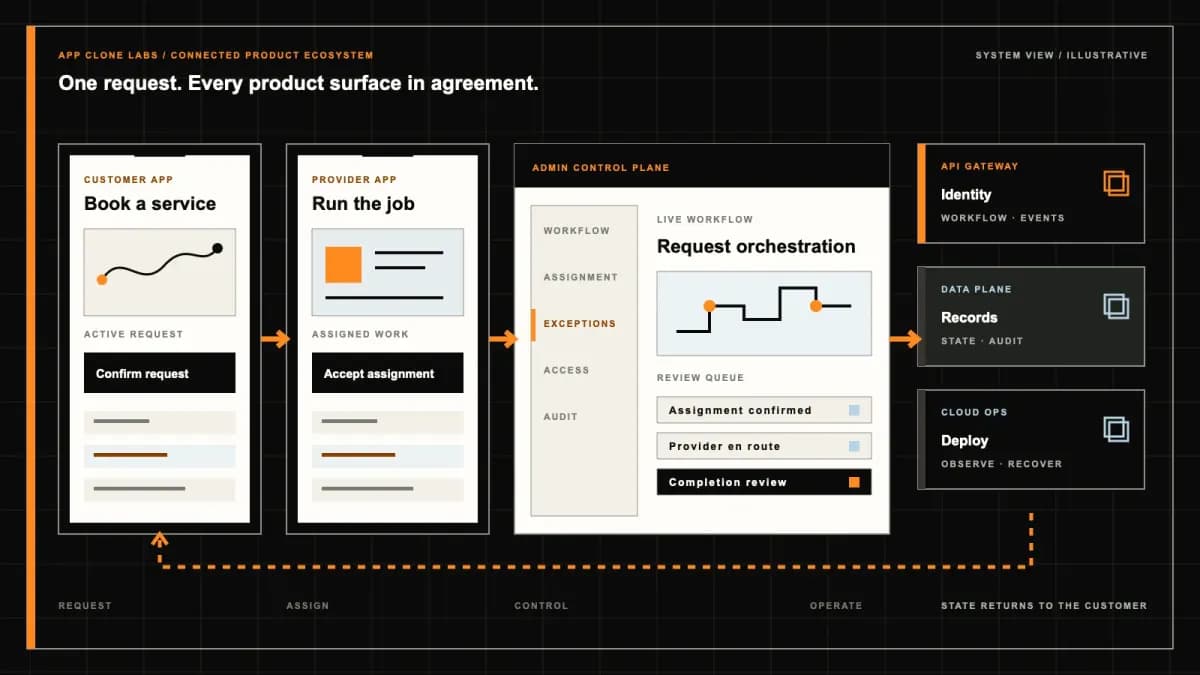
A business workspace needs to know who may send files, which recipients are allowed and who can change the retention policy. Decide whether transfers belong to an individual sender or the organization, and what happens when that person leaves. A branded portal changes presentation, while administrative authority changes what staff can inspect, revoke or export. Keep those responsibilities separately visible.
Compare WeTransfer-style simple file sending if the central requirement is occasional upload and temporary sharing. Managed delivery earns its additional scope when teams require controlled recipients, organization defaults, audit history and staffed exceptions. The choice should follow the actual operating workflow rather than a preference for a larger feature list. Start with one representative package, a permitted client and an accountable workspace owner.
Recipient collection is different from recipient authorization
A link holder typing an email address may establish a contact field without proving that they control the address or are authorized to receive the files. Choose the access model explicitly: a bearer link, a separately distributed password or an identity-bound recipient grant. Explain forwarding consequences and the recovery process if the original recipient changes. Avoid presenting every downloaded package as delivered to a verified person.
Check current recipient authority when delivery begins, including after policy changes. Public previews, page titles and notification subjects can disclose sensitive filenames even when the main download is protected. Decide which metadata is safe to display before authorization. Test an unauthorized user with a forwarded link and a previously approved recipient whose access has ended. The denial should explain the supported next step without exposing the sender’s contact list or another recipient’s identity.
Expiry and download limits need precise counting rules
The TransferNow transfer customization guide distinguishes per-recipient download limits for email transfers from a global limit for link transfers, alongside expiry and password controls. That difference is useful planning evidence. Define the independent product’s own rules rather than promising the reference provider’s features, plan allowances or current service capacity.
Specify whether a download count represents authorization, a started request or a completed package retrieval. Browser retries, partial range requests and simultaneous sessions make naive request counting confusing. Establish a recovery allowance for interrupted downloads without creating unlimited access. Test two recipients requesting the last allowed download at once and a request crossing the expiry boundary. The service should apply a consistent decision and retain the evidence needed to explain it, instead of decrementing a counter independently on each device or letting cached pages dictate authority.
Separate package size, stored bytes and delivery traffic
A per-file limit answers a different question from the total package size, workspace storage allowance or outbound traffic budget. Define each resource and when it is reserved, finalized and released. Many small files can create substantial request and processing overhead even when their total bytes are modest. Preview generation and quarantined copies may also consume storage that the sender never sees in a simple file list.
Check quota before committing new work and reconcile concurrent uploads against a workspace-wide record. A failed upload should not permanently consume the completed-package allowance, while a pending cleanup should not falsely report that physical storage has already been reclaimed. Explain what happens to active transfers when a subscription changes or storage fills. Test two senders approaching the same remaining quota and inspect their final outcomes. Capacity and speed claims require measurements against an agreed workload and network environment.
Resume uploads without creating duplicate released packages
An upload interrupted near completion needs a stable session and file identity. The sender should learn which parts the service accepted and which need retry, rather than blindly restarting the entire package. Validate file integrity and reconcile the final object before release. A progress indicator reaching completion on the client is not proof that storage finalized or that every declared file arrived.
Keep uploading, validation, quarantine, ready and released distinguishable. Replayed completion events should reconcile an existing transfer, not create another package or send another invitation. Define how abandoned uploads expire and how cleanup releases reservations. Rehearse a browser reconnecting after the server completed an upload but before confirmation reached the sender. The workspace should recover the durable outcome and explain unresolved parts without asking the client to infer state from its last displayed percentage.
Quarantine files before previews and recipient delivery
The OWASP File Upload Cheat Sheet recommends layered controls including authorization, type and size validation, isolated storage and malware scanning where available. It also warns about malicious files and resource exhaustion. Use this guidance to establish a reviewed upload boundary; it does not certify that a scanner or an independent platform detects every threat.
A file extension and client-provided type are insufficient proof of safe contents. Keep pending, failed and suspicious scan outcomes unavailable under the chosen policy. Preview processing has its own parser and isolation risks, so do not generate unrestricted previews as a shortcut around quarantine. Establish who reviews uncertain results and what release authority they have. Test an unavailable scanner and a harmless simulated quarantine event. The interface must preserve an unresolved review state instead of treating provider timeout as successful inspection.