Build around the booking outcome, not the search result
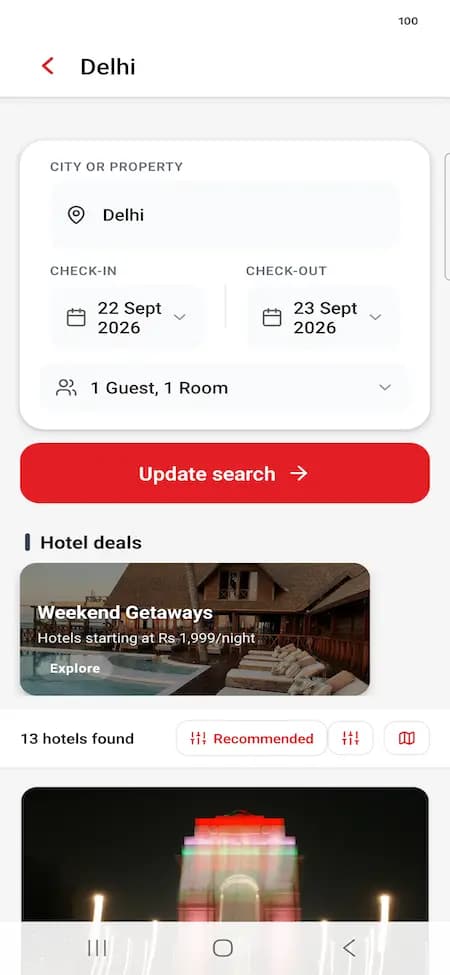
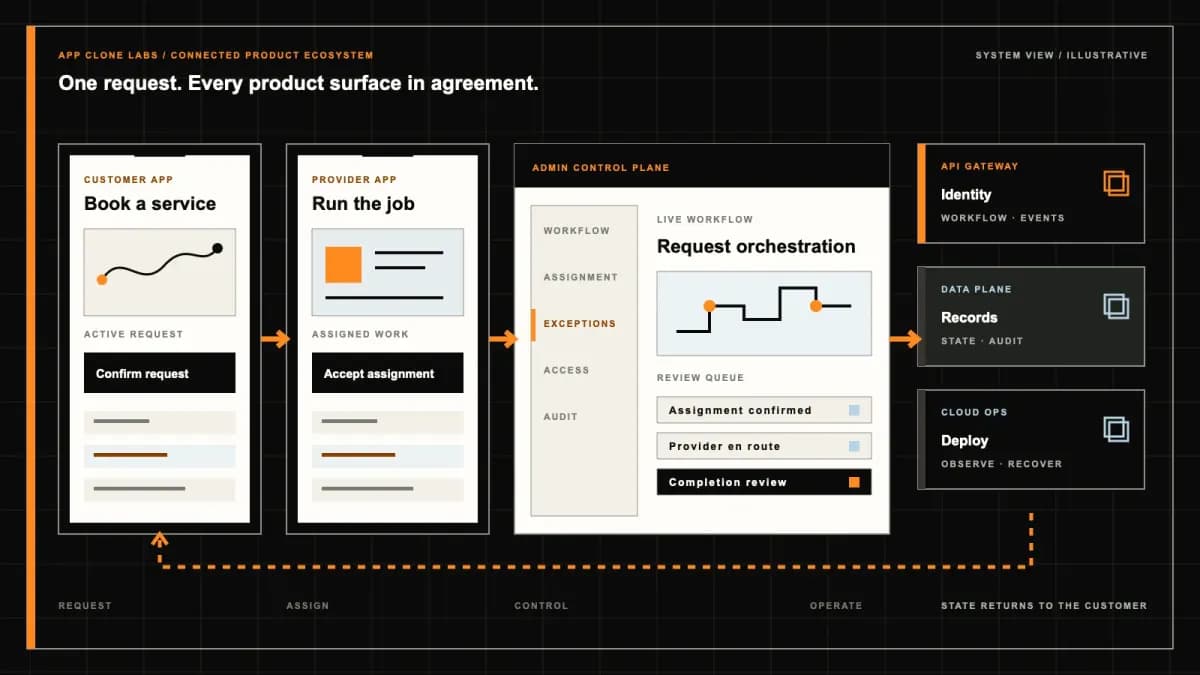
A traveller finds a hotel at one price, enters guest details, and reaches payment after the room has sold out. The portal now needs a fresh availability check, a clear changed-offer message, and a safe exit. It should not collect money against a cached result and leave support to discover the problem. A white-label travel portal is therefore a booking and after-sales operating system, not simply a branded search page.
The buying decision concerns supplier access, booking authority, traveller journeys, agent control, and recovery when providers disagree. A foundation can reduce repeated interface work, but each actual supplier contract and API must be assessed. Search access does not establish booking, ticket issuance, amendment, cancellation, or refund capability. A list of airline or hotel logos is not a confirmed integration scope.
Define the supply and sales model first
Choose a manageable initial product: contracted hotel inventory, a specific flight distribution arrangement, activities, or another clear travel category. Identify whether the business sells directly, supports travel agents, or serves a corporate approval workflow. Establish who contracts with the traveller, who collects money, who issues tickets or vouchers, and who owns after-sales support. Those responsibilities should determine the portal roles and customer communications.
For each provider, make a capability sheet covering inventory markets, production approval, supported currencies, passenger or guest details, price confirmation, order creation, issuance, changes, and refunds. Mark unsupported actions as manual or excluded. Record sandbox limitations so a successful test search is not described as proof of production booking access. Supplier commercial arrangements and credentials are dependencies, not software features that can be promised universally.
The Amadeus official SDK examples separate flight offer pricing from flight order creation. Use that distinction as a useful integration-review example, not a claim that this portal includes Amadeus, all GDS inventory, or ticketing permission.
Revalidate the offer the traveller accepts
Search responses may be cached, rate-limited, or time-sensitive. Preserve the supplier offer reference and its relevant conditions, then recheck availability and price at the agreed booking boundary. Explain currency, compulsory charges, taxes, baggage or room inclusions, cancellation conditions, and occupancy assumptions. If the proposition changes, show the difference and require acceptance rather than silently updating the amount.
Keep an accepted offer snapshot with the booking record. Staff need to know which terms the customer saw, not just the supplier’s current description. For hotel stays, room category, board basis, dates, occupancy, and cancellation deadlines matter. For flights, passenger identity, itinerary, fare rules, baggage, and issuance state need explicit handling. A single generic cancellation label is insufficient when products and suppliers apply different conditions.
Do not collapse payment, booking, and issuance
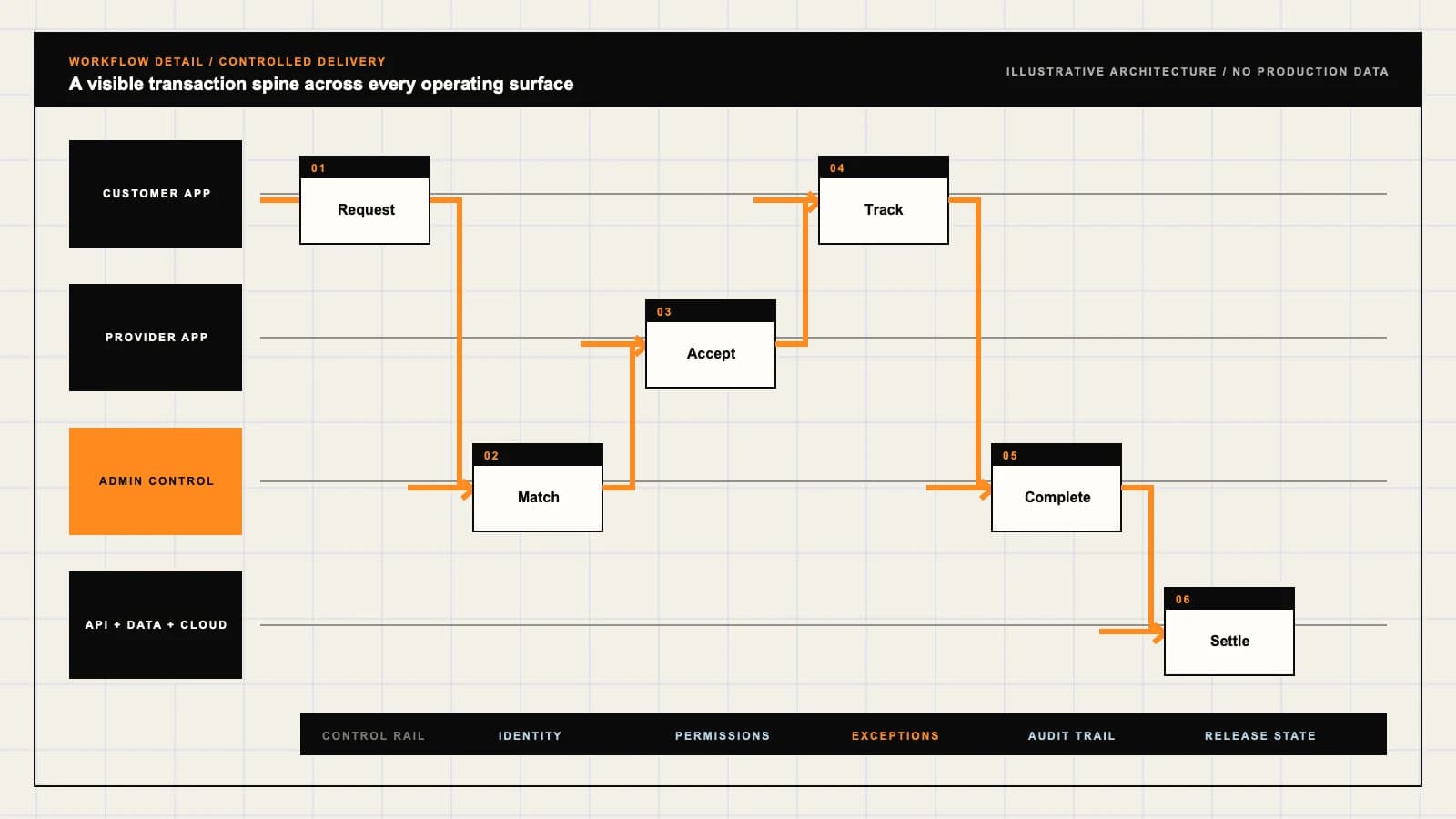
A card transaction may succeed while a booking request times out. A supplier may accept an order before a ticket or voucher is issued. Track these as separate states and explain the customer’s status accurately. Persist a stable request reference, provider response, payment reference, and recovery action. When a response is uncertain, retrieve or investigate the existing request before creating another order and risking duplicate charges or inventory.
Staff should see cases such as payment received but supplier unconfirmed, supplier confirmed but payment failed, issuance pending, duplicate callback, and partial itinerary failure. Each case needs permitted actions and a responsible team. Automated retries must respect provider behaviour; retrying an order-creation call is not equivalent to repeating a search. Customer notifications should follow authoritative state transitions, not optimistic front-end success messages.