Keep inquiry recipients visible and consent specific
Before submission, show whether the request goes to the listing representative, a landlord or a disclosed participating professional. Explain the contact channels and permitted follow-up under the reviewed policy. Do not disguise an advertising recipient as the seller’s agent or silently distribute one inquiry to additional businesses.
Store the consent wording and version, chosen recipients, relevant timestamps and the property or listing reference. Keep marketing choices distinct from the requested reply where the policy requires it. Apply withdrawal, retention and access controls to CRM exports and notification services as well as the portal form.
Give failed and disputed leads an accountable queue
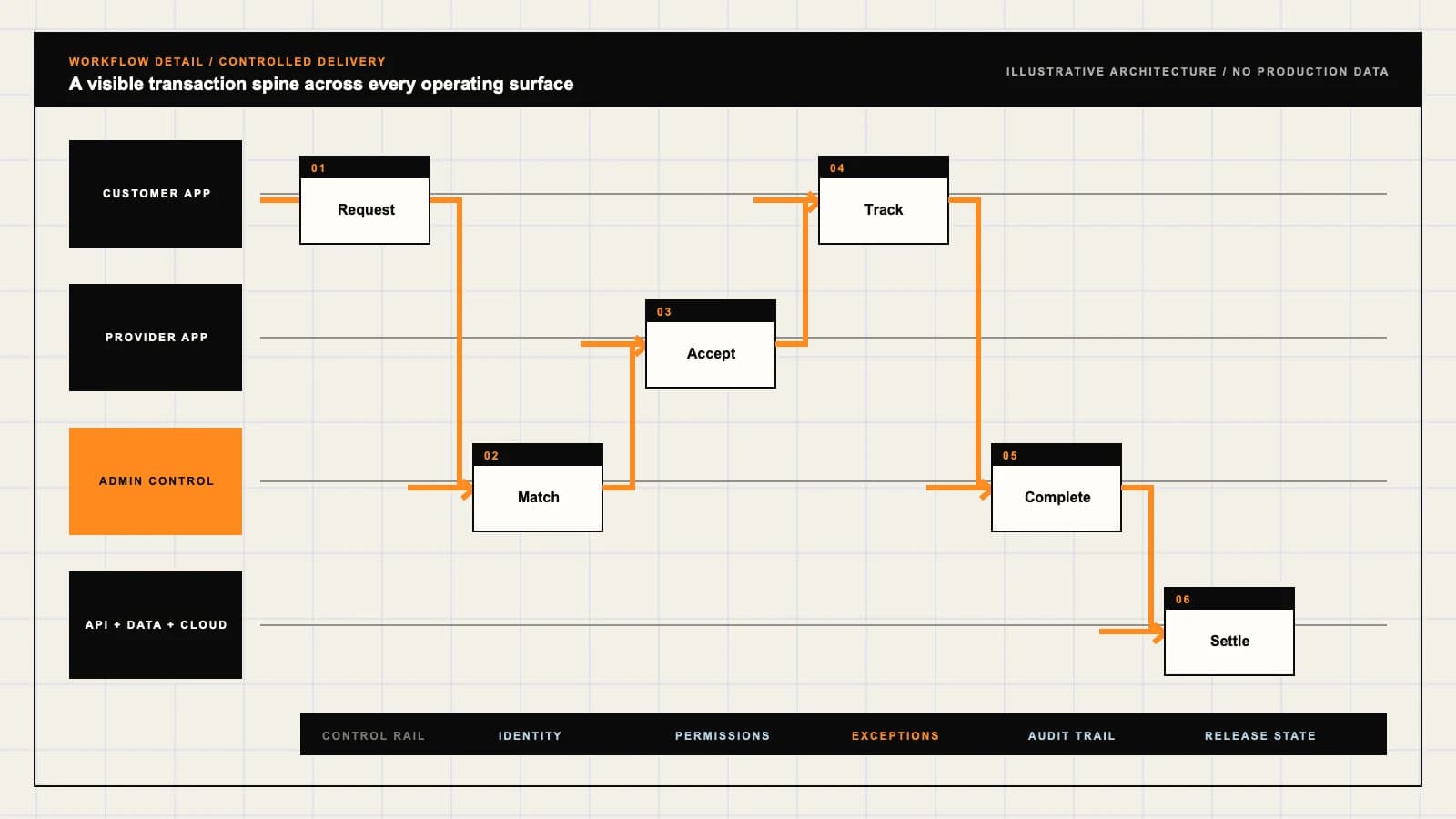
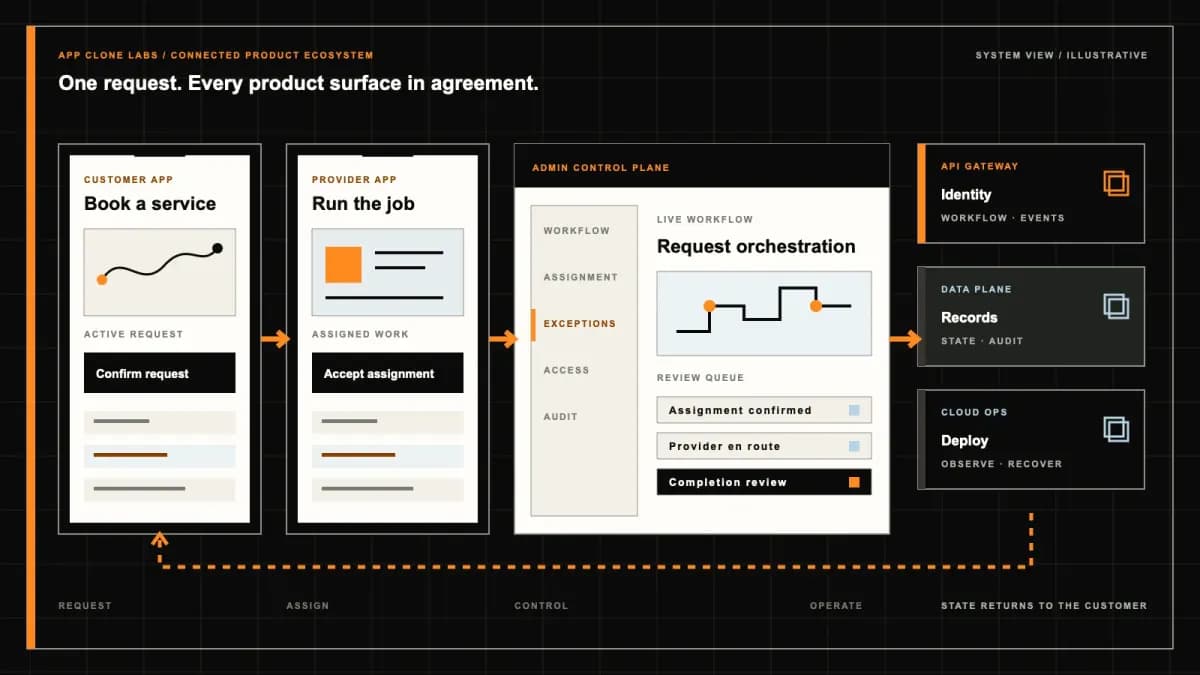
A successful form submission does not prove an agent received the request. Track delivery acknowledgement and define the response to an unavailable recipient, rejected CRM event or exhausted coverage. Safe retries should not create multiple billable leads. Reassignment must follow the disclosed policy and preserve the original request.
If professionals pay for inquiries, agree how duplicate contacts, bots, incorrect contact details and expired listings are investigated. Record evidence, review ownership and any credit rule. Report delivered and acknowledged inquiries separately from appointments or completed transactions; neither a dashboard nor a development contract guarantees conversion.
Handle expired listings and conflicting feed updates
An old active update arrives after a withdrawal. Define whether source version, effective time or another agreed ordering rule decides the current state. Replaying a stale message must not revive an expired listing, restore a previous agent’s contact action or send a fresh alert to saved-search subscribers.
Monitor feed age, missing removals, rejected rows and conflicting records. Show a reviewable queue and the policy for suppressing uncertain availability. Review fair-housing language, advertising disclosures and applicable real-estate duties with qualified market reviewers. The product supports approved controls without conferring a licence or certifying compliance.
Use the demo to trace one property through an exception
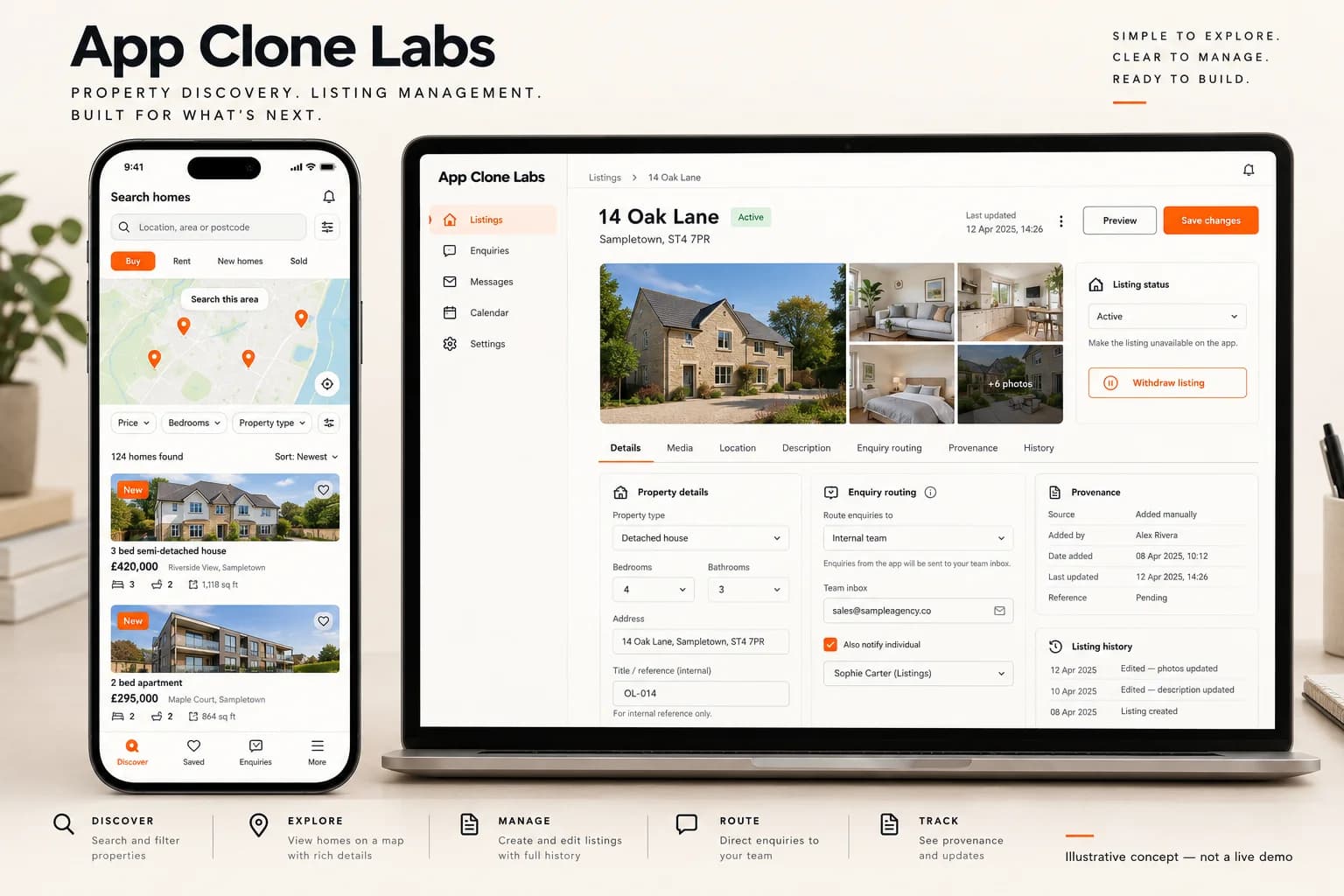
Ask to search a home, inspect source dates and valuation labels, choose a visible recipient and follow the inquiry into an acknowledgement or failure queue. Confirm current demo availability and which steps are interactive, illustrative or connected to a provider sandbox. Artwork does not prove a live feed or working professional handoff.
Then withdraw the listing, replay an older active update and inspect its saved-home page and contact action. Include an owner-agent conflict, two unit records at one address, an unavailable estimate, a repeated inquiry event and revoked agent access. Acceptance should demonstrate the agreed records, decisions and recovery paths using redacted or synthetic data.
A workable first release connects a licensed inventory source to current discovery and a consented professional handoff in a defined market. Include the operating queues needed to correct supply and resolve failed inquiries. Separate native mobile applications, valuation model development and transaction collaboration when estimating the engagement.
Compare the Trulia-style home search brief when neighborhood context is the primary product requirement. This scope puts property identity, sourced valuation content and professional lead operations first; extra neighborhood modules should earn a separate place in the plan.
Prepare a property and inquiry evidence pack for discovery
Bring redacted feed samples, their usage agreements, status definitions, a duplicate-property example and a seller-agent conflict. Include the intended valuation source, permitted display terms, professional coverage rules, consent wording and a failed CRM delivery. Name the reviewers who approve inventory rights, housing policy and lead-charge disputes.
Use a product scope discussion to agree the source rights, first-release capabilities, acceptance scenarios and handover responsibilities. Specify ownership, reusable components, third-party licences, deployment access and support in the contract; price and delivery depend on those decisions.
Review the delivery process for discovery, implementation and acceptance checkpoints that turn the evidence pack into a reviewable engagement.