Resolve payment failures without duplicating the booking
A browser returning to checkout does not settle what happened at the payment provider or supplier. Scope the handling of delayed payment events, repeated callbacks, abandoned sessions and successful payments followed by failed reservations. Keep payment evidence separate from booking evidence and reconcile both before asking the customer to retry.
When the outcome is uncertain, tell the traveller what is being checked and who owns the case. Define when a reservation can be retried and when an authorised operator must intervene. The charge, settlement, supplier payment and refund arrangement needs qualified review; a payment integration does not automatically establish lawful funds holding or distribution.
Service changes at the component and traveller level
Changing one passenger’s outbound flight is not the same as moving the entire family trip. Identify the affected traveller, leg or room, retrieve the permitted supplier options and explain the fare difference and service charge. Obtain the required acceptance before committing the change. Preserve the original ticket and the revised confirmation as related evidence.
Supplier-initiated schedule changes need an assigned queue and a customer communication plan. Hotel changes can alter occupancy or cancellation eligibility. Where self-service is unsupported, route a request with a visible owner and next step. Do not promise instant changes, emergency assistance or round-the-clock support unless the supplier and operating team can deliver them.
Track cancellation and refund progress separately
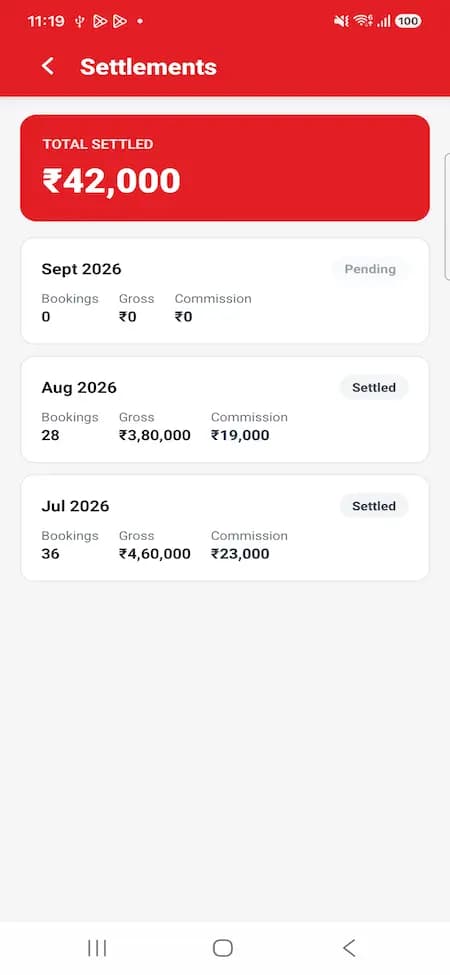
A cancellation request, supplier cancellation acceptance and returned money are different outcomes. Explain the applicable deduction, agency fee treatment and estimated process using the selected supplier terms. Keep refund requested, approved, submitted, failed and reconciled states distinct where the provider supports them; avoid a refunded label based only on a support agent’s approval.
For a partially cancelled trip, retain the confirmed components and identify which charges the adjustment covers. Capture provider references and route failed refunds to finance review. Credit, voucher and cash outcomes should be clearly named. Applicable consumer rules and contractual responsibilities need market-specific advice; the platform must not invent a universal refund entitlement or processing deadline.
Add rail, bus and packages as separate operating decisions
Regional transport can make the product useful beyond airport journeys, but rail and bus inventory are not extra flight filters. Confirm station or boarding-point data, passenger fields, seat selection, ticket delivery and cancellation support with the intended provider. Start with the products for which the operator can support the full journey.
A holiday package needs explicit inclusions, exclusions and a responsible organiser. Decide what happens if the hotel confirms but a transfer or flight fails. Visa-assistance routing may direct the traveller to a qualified provider; it must not imply an entry decision or guarantee. Loyalty, insurance and corporate approval should follow a defined commercial and operational brief.
Use a guided demo to inspect the unresolved trip
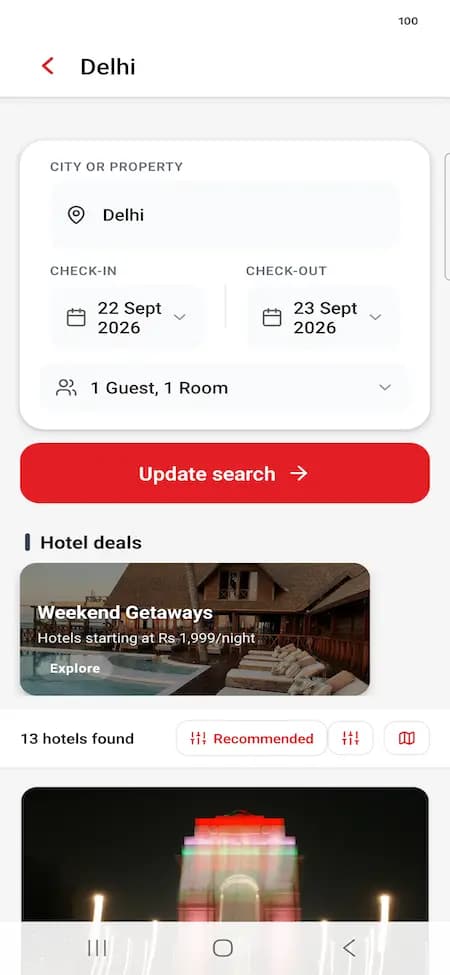
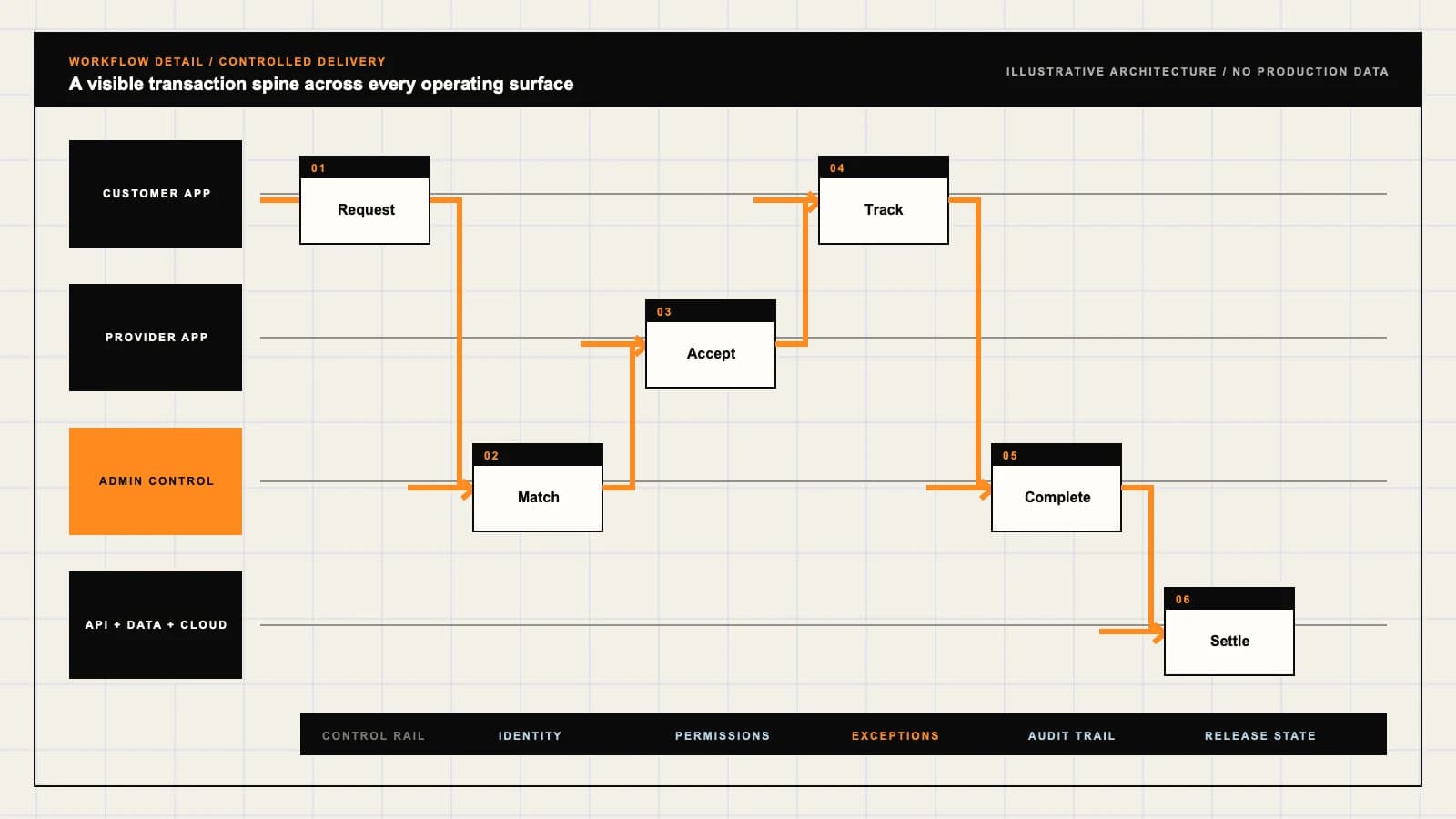
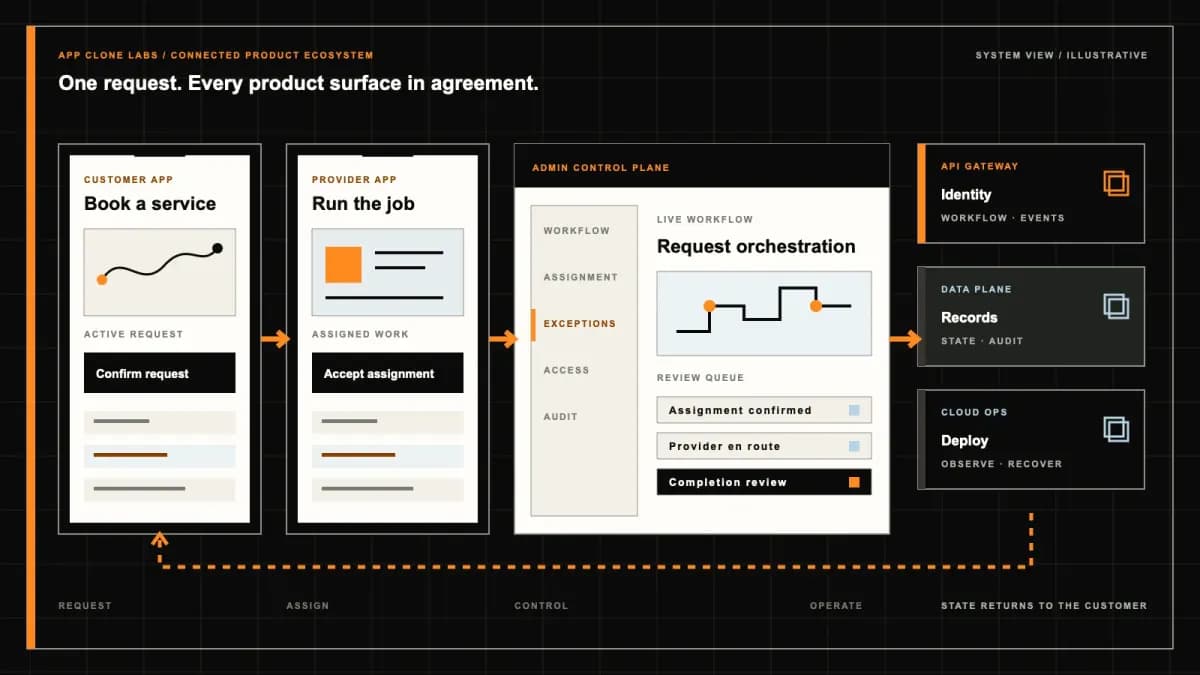
Request a guided walkthrough from regional search through traveller entry, supplier confirmation and service handling. Confirm current demo availability, which actions work, which providers are sandboxed and which screens or images are illustrative. Concept artwork does not demonstrate live inventory, ticket issuance, a working GDS connection or a completed refund.
Ask to see an expired fare, a child assigned to the wrong room occupancy, a payment success with a supplier timeout and a partially confirmed itinerary. Then review a single-traveller change, a cancellation with a pending refund and a denied document download. Each case should reveal evidence, an owner and the customer’s next step. Those are acceptance questions for a scoped build, not claims that the demo has already passed them.
Bring supplier evidence and a servicing brief to discovery
Prepare the target selling market, launch routes, intended product mix, redacted quotes and supplier rules. Identify the organisation issuing tickets, receiving funds and resolving traveller complaints. Bring the approved provider access or the plan for obtaining it, along with examples of a failed booking, a change and a refund. Use redacted traveller information during initial review.
Arrange a travel product scope discussion to agree configured features, new engineering, provider work and exclusions. The proposal should state ownership, reusable components, licences, deployment access and support. Delivery dates depend on approved scope, usable data, supplier readiness and review; there is no universal launch or conversion promise.
Review the delivery process for discovery and acceptance checkpoints. Bound the first release to a supportable regional journey before expanding suppliers, countries or product categories.