A load posting is not an accepted freight contract
White-label load board software lets a freight business publish available loads, collect carrier capacity, negotiate or offer work, and operate the resulting shipment under its own brand. The critical boundary is the tender: who can make an offer, what a carrier accepts, and which evidence proves that the obligation changed. A searchable board is useful discovery, but it does not replace contracting, carrier review, dispatch, shipment evidence, or a claims process.
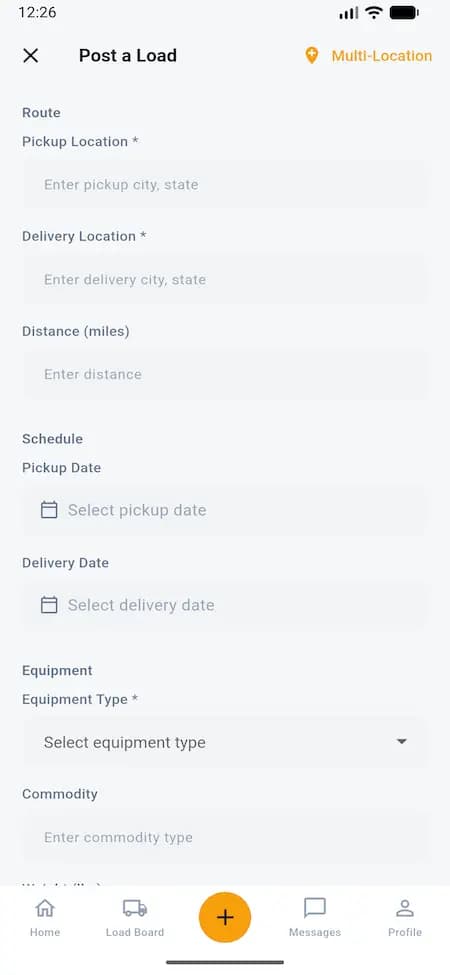
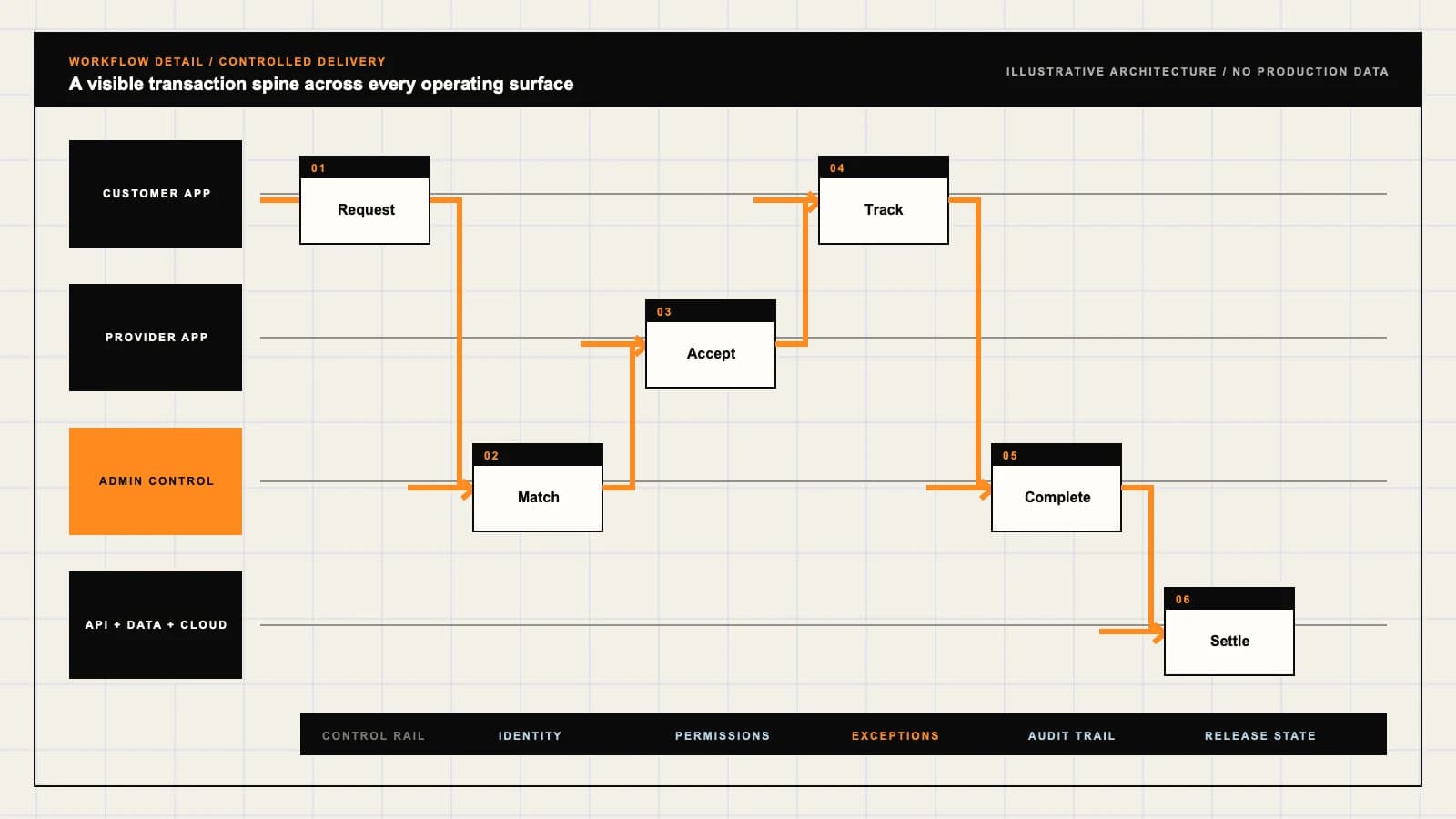
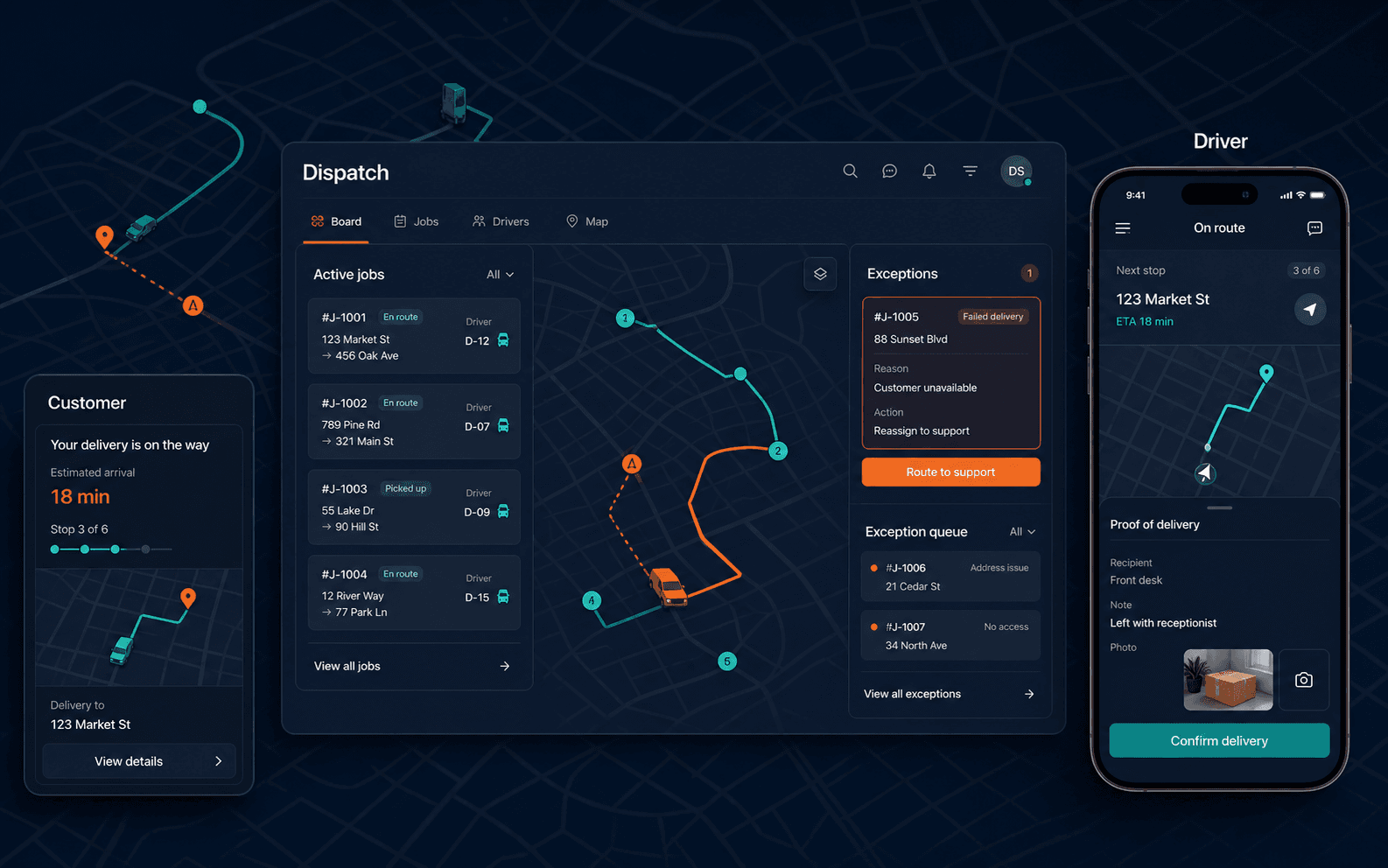
Begin with a representative shipment rather than a broad module count. Specify origin and destination, equipment, cargo constraints, pickup and delivery windows, rate basis, contacts, required documents, and the party responsible for each decision. Include a late truck, changed appointment, missing proof of delivery, and an invoice difference in the same walkthrough. Those cases reveal whether the board supports freight operations or merely displays attractive listings.
Define the market and the participation boundary
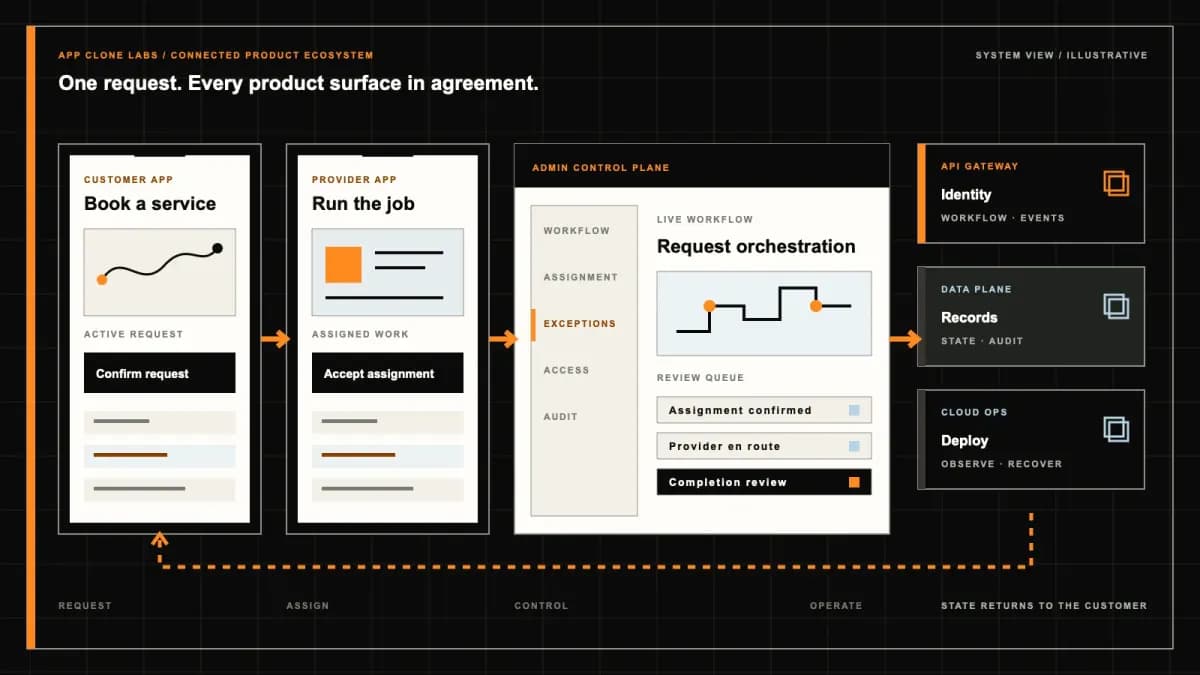
A closed broker network, a direct shipper board, and an open carrier marketplace have different trust and commercial responsibilities. Select the initial region and freight segment before describing global coverage. Driver, carrier, broker, shipper, dispatcher, and finance permissions need separation even if a small operator initially fills several roles. A staff member allowed to upload delivery evidence should not automatically be allowed to change a confirmed rate or approve an invoice adjustment.
Participant review should record the sources checked, their dates, the decision, and when a fresh check is required. US operations can assess the appropriate FMCSA registration and company-record resources; other markets require their own applicable sources and qualified review. A match on a company name is not a complete onboarding decision. Insurance, contracts, contact verification, equipment suitability, and unresolved discrepancies need their own assessment. “Verified” should have a documented meaning and an expiry policy.
Keep the tender version the carrier actually accepted
The load record should separate a draft, a published opportunity, a bid, a tender offer, and an accepted assignment. An expression of interest does not allocate capacity. An acceptance should check the current offer version and eligibility, then reserve the load atomically. Two carriers pressing accept at the same time must produce one allocation and an understandable outcome for the other carrier. A repeated network request must not create a second shipment or duplicate fee.
Changing a destination, appointment, cargo requirement, or rate after acceptance needs a visible amendment and the agreed acknowledgement process. Preserve the earlier terms and who authorised the change. Store deadlines and appointments with explicit timezone context. Search results must distinguish genuinely available loads from withdrawn, expired, or allocated records. Posting clones and refreshed timestamps should not manufacture apparent liquidity or conceal stale freight.
Capacity matching needs usable constraints
A carrier’s empty truck location is only one matching input. Equipment, availability, permitted cargo, appointment feasibility, operating area, and existing commitments determine whether a suggestion is actionable. Make filters legible and disclose which information is self-reported or stale. Do not claim precise ETA or verified location merely because a marker appears on a map. Define location sharing duration, access, and deletion behaviour for the shipment relationship.
The first release can support manual tender selection with clear constraints before adding automated ranking. A suggested carrier still needs the required review and authorised acceptance. Capacity updates should expire or require reconfirmation, not live forever as inventory. If a carrier withdraws before pickup, the desk needs the current obligation, notification history, replacement workflow, and potential claim—not an unexplained return to “available.”