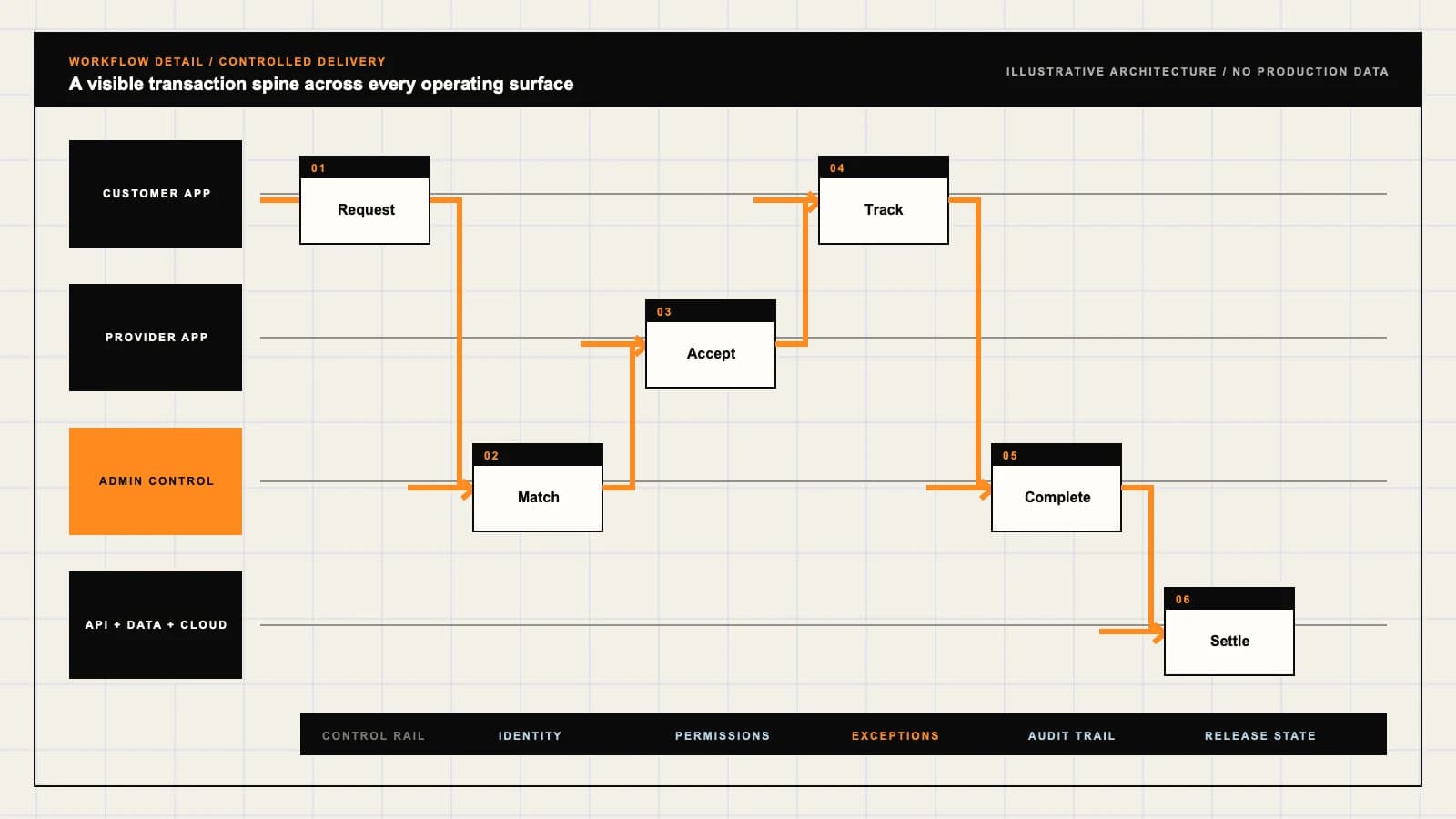
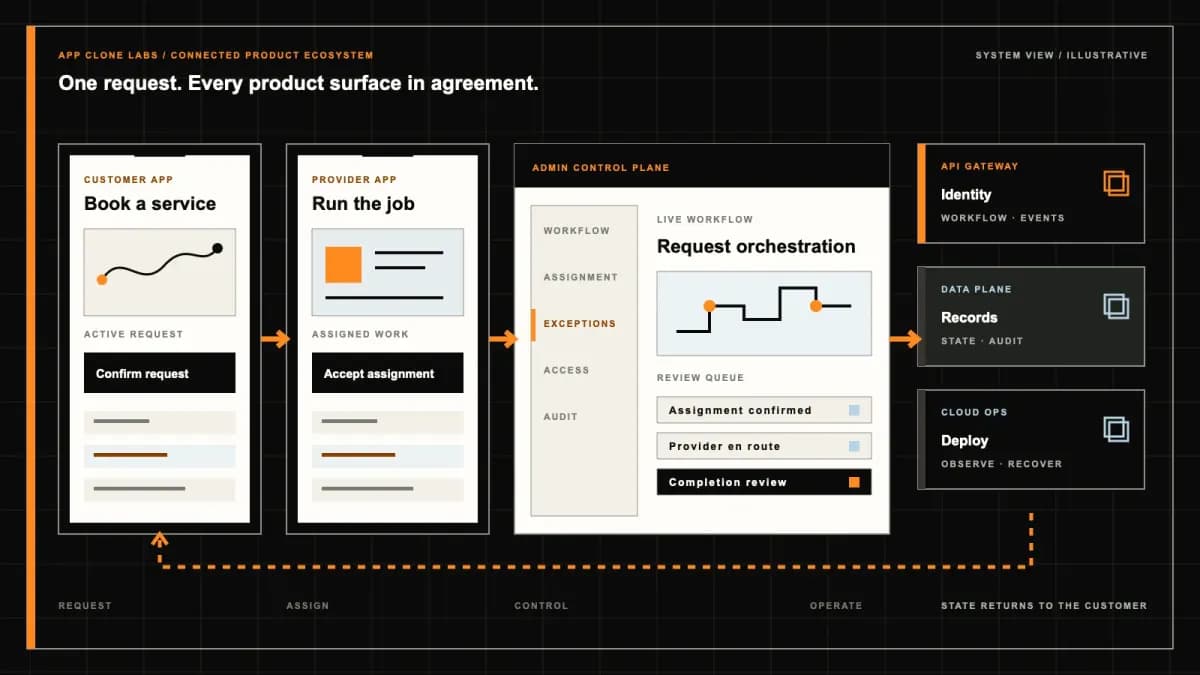
Do not merge a deposit, an advance payment, and a damage-security amount into one unexplained balance. Each needs its own purpose, collection condition, refund rule, and reconciliation record. Payment authorisation is not necessarily collection; collection is not supplier settlement. If a payment succeeds while operator confirmation fails, the case must enter a recovery queue with a named owner, truthful guest message, and controlled refund or alternative-offer process.
Weather, substitution, and departure changes
Define the decision path for unsafe weather, port restrictions, vessel breakdown, late arrivals, and missing eligibility evidence. The platform can record decisions, supporting documents, notifications, and guest responses. It should not automatically overrule a captain or label a weather-driven cancellation as a guest no-show. Where substitute vessels are offered, show changed capacity, inclusions, departure point, and price for fresh acceptance.
Read the Met Office marine forecast limitations as an example of why a web forecast should not be the sole safety information source. Select the appropriate authoritative information and operational decision process for the region; a weather widget cannot certify a safe departure.
Before departure, provide the correct meeting location, document requirements, operator contact, and confirmed itinerary assumptions. Limit access to passenger information to people who need it. Staff notes, insurance documents, and guest identity files should not become public listing attachments. Establish retention and deletion rules without deleting evidence needed for an unresolved dispute or applicable recordkeeping obligation.
What a white-label procurement decision includes
Brand settings can cover the domain, logo, colours, listing presentation, emails, receipts, and operator-facing workspace. They do not establish rights in a source repository or licensed components. The agreement should distinguish configurable foundation features, new work, external supplier access, exclusions, and ongoing maintenance. Ask who owns production accounts, rotates secrets, tests backups, and responds when a calendar or payment service fails.
For a category reference, compare Dream Yacht Charter-style product planning with this white-label buying brief. The reference explains familiar charter mechanics; this page focuses on the configuration and operational boundaries of your own branded deployment. Neither implies association with a reference brand.
Evaluate a walkthrough using awkward cases
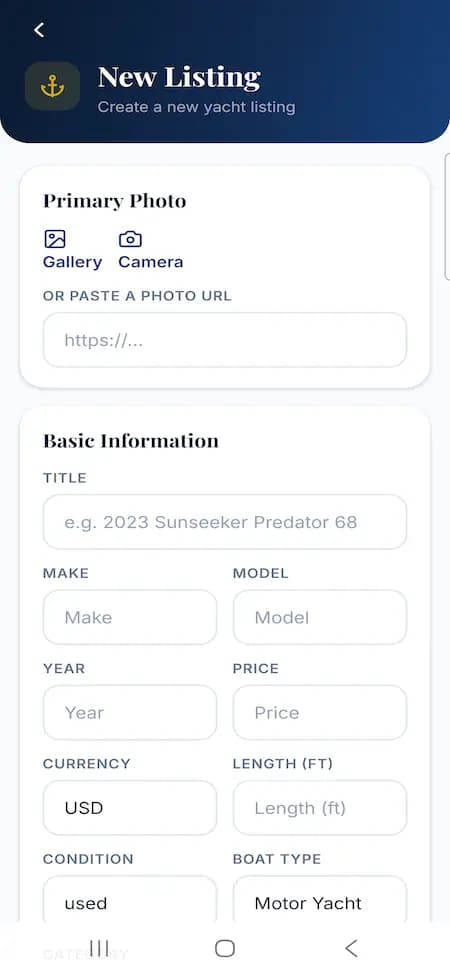
Inspect one enquiry from the guest and operator sides. Then ask to see an expired quote, a conflicting calendar hold, a changed itinerary, a failed payment, and a weather cancellation. The reference screenshot shows generic vessel inventory intake, including sales-oriented price, condition, and year fields. It is not a demonstrated charter calendar or quote flow, nor proof of vessel certification, live inventory, or a completed charter. This charter-first scope is one operating route; a sale or brokerage track requires its own scope and walkthrough. Demo data, connected suppliers, and simulated responses must be identified before they influence a purchasing decision.
A defensible first-release acceptance pack contains the responsibility map, reviewed fleet fields, role-permission checks, hold-conflict tests, quote-version history, deposit reconciliation, cancellation scenarios, and support escalation. Bring the initial fleet, charter terms, calendar source, operator contracts, and payment arrangement to scoping. Those inputs produce a useful proposal; a universal launch duration or an unqualified feature count does not.