Keep entitlement, approval, and payment outcome distinct
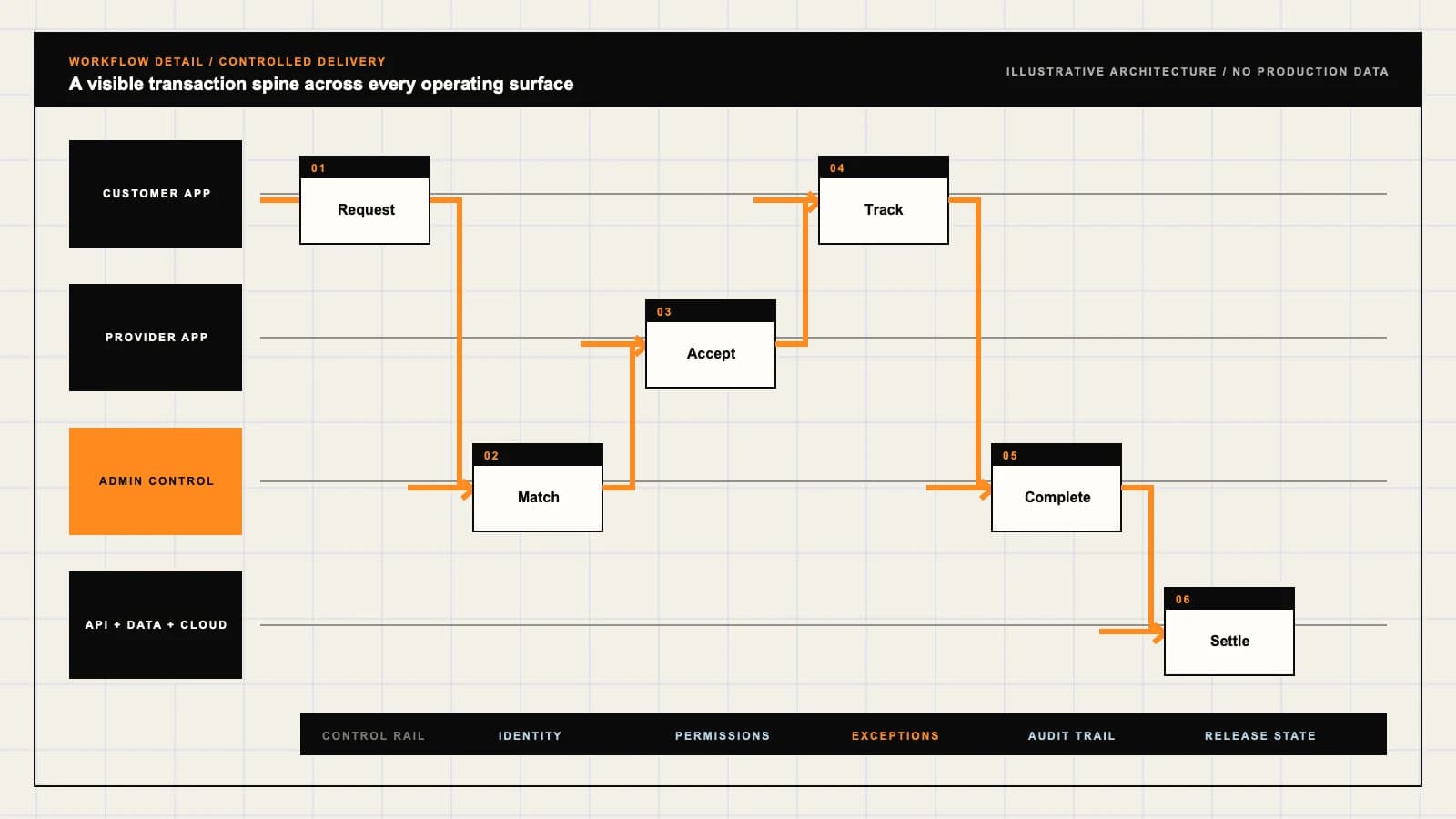
An approved distribution calculation may still contain a failed or unresolved payment. Record the calculation, approval, payment instruction, provider confirmation, and investor-facing status separately. Repeated callbacks must not produce another payment; a timeout must not be treated as proof of failure when the provider may have completed the instruction. Provide a review queue with evidence and an accountable owner. Where bank details have changed, define the verification and approval process before releasing a batch. Identity records and bank information need scoped access and retention rules so a property manager cannot obtain financial details unrelated to their responsibilities.
Property management events should reach the right audience
A repair, tenant change, insurance matter, or period adjustment may affect reporting without being suitable for unrestricted publication. Decide which information investors receive, which remains internal, and who approves the explanation. Preserve supporting files and access logs while avoiding unnecessary disclosure of occupants’ personal data. A manager’s operational update should not automatically alter a financial statement or trigger a promotional notification. Versioned communications help investors distinguish a routine status update from a correction to information previously supplied. The scope should assign content responsibility and escalation routes, not assume the development team will validate the property’s underlying operations.
The DFSA thematic review on crowdfunding agreements and disclosures is a relevant reference only for an applicable DIFC context. It highlights issues for qualified legal and compliance discussion, not automatic eligibility for a particular structure. Other jurisdictions and financial models need their own review; the operator must establish permissions and approve investor communications before live workflows are enabled.
Make exit language honest about dependencies
Portfolio value is not necessarily cash available for withdrawal. Establish whether the product records exit enquiries, manages an approved transfer process, administers a permitted redemption request, or reports proceeds following an asset sale. Each has different approvals, documents, counterparties, timing dependencies, and register updates. An exit request should show its actual state, restrictions, and support route. Do not place an instant sell button beside an interest that lacks such a mechanism. If transfer functionality is excluded initially, say so clearly in the scope and interface rather than leaving a disabled feature that suggests an imminent liquid market.
For sponsor-led offerings and broader portfolio subscriptions, compare the property investment platform reference. Its offering lifecycle and reporting model may fit a pooled investment experience better than property-by-property unit allocation. These are distinct operating choices, not interchangeable branded templates.
Use a realistic test pack before approving the build
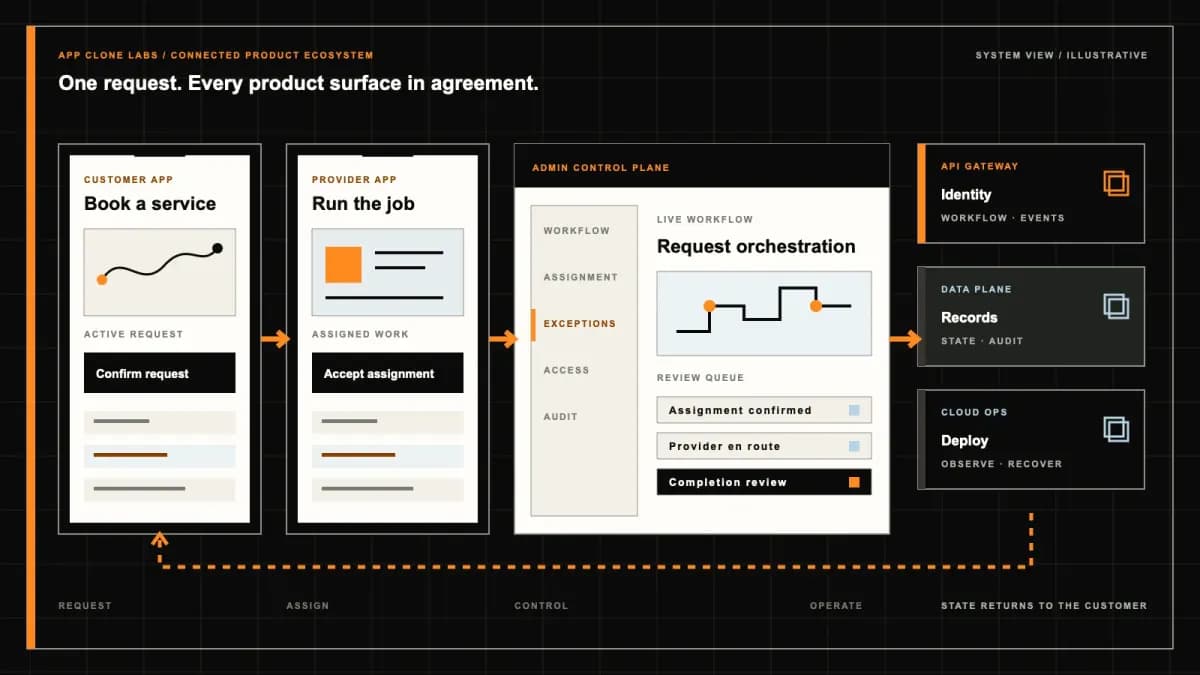
Provide one representative property package, interest documents, a sample allocation register, an operating-period file, fee policies, and permitted exit procedures. Walk through a successful allocation, final-unit contention, expired reservation, corrected expense, failed payout, and restricted staff access. Confirm that a restored environment reconstructs the same statements from preserved records. The screenshots on this page are reference media; they do not certify a live investment demo, approved provider connection, or verified property inventory. A separate walkthrough must establish what exists and what remains proposed. Acceptance should be based on these evidence-backed paths, not the visual similarity of a portfolio screen.
Define the handover and the operator’s continuing work
The signed proposal should distinguish original deliverables, reusable components, third-party services, exclusions, and rights. Assign responsibility for hosting, backups, incident handling, financial review, content corrections, property reporting, and investor support. A bounded first release can cover a reviewed property catalogue, controlled allocations, statements, and exception administration without adding every possible exit or regional expansion. Additional asset types and jurisdictions require new mappings and review. This approach supports a readable buyer experience while keeping engineering claims separate from legal, financial, and property-management responsibilities that the software cannot fulfil on its own.