Executive summary
TikTok Clone is for short-video startups, creator communities, social commerce products, entertainment brands, and niche media networks. Teams choose this route because TikTok-style products depend on high-retention feed mechanics, creation tools, moderation, creator analytics, music/effects logic, and trust controls. The point is not to copy a famous product. The point is to use a familiar market pattern as research, then build a product that is legally original, commercially sharp, and operationally useful for your own customers.
For App Clone Labs, a serious tiktok clone starts with the operating model. We define who uses it, what each role can do, what data moves between screens, where money is captured or paid out, what support needs to see, which events should be measured, and which admin controls will keep the business manageable after launch.
This page gives you the planning depth we use before a build: the executive case, feature breakdown, screen and mockup direction, architecture, role workflows, admin panel, monetization, cost drivers, MVP scope, full build roadmap, FAQs, and related solution paths.
Feature breakdown with screenshots and mockups
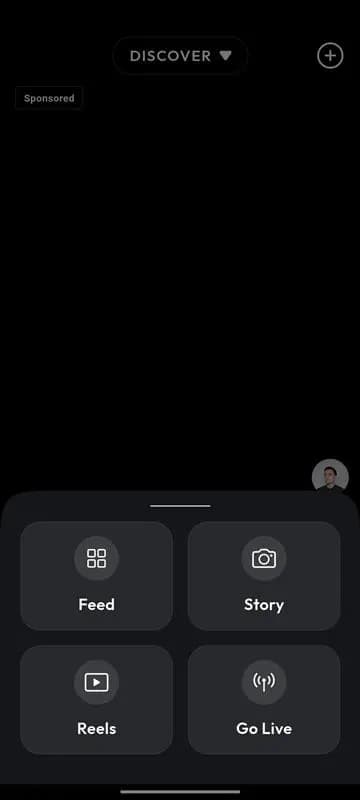
Show vertical feed, creator upload flow, profile analytics, moderation queue, and campaign/promoted-content dashboard.
The feature breakdown for tiktok clone is organized around the core workflow: viewer opens feed, watches and engages, creator publishes short video, ranking signals update discovery, safety queues catch risk, and creator analytics guide future publishing. During discovery, these features become annotated wireframes, clickable mockups, acceptance criteria, empty states, error states, permission rules, event tracking, and QA cases.
Core features include Short-video discovery loop, Creator publishing tools, Engagement and profile system, Moderation and policy workflow. These are not decorative cards. Each feature affects the database, APIs, roles, notifications, admin views, support policies, analytics, and future roadmap. That is why we scope feature behavior before writing production code.
Architecture and tech stack diagram
The architecture diagram for tiktok clone should show six layers: experience layer, API layer, workflow layer, data layer, integration layer, and operations layer. The experience layer includes role-specific apps and portals. The API layer controls authentication, permissions, business rules, and third-party communication. The workflow layer handles profiles, feeds, media upload, discovery, messaging, moderation, subscriptions, notifications, analytics, and trust controls. The data layer stores users, records, transactions, states, events, and audit history.
A practical stack for this solution can include React Native or Flutter apps, Next.js web app, Node.js APIs, PostgreSQL, Object storage/CDN, Realtime messaging, AI moderation, Analytics pipeline. We usually recommend a modular backend for MVPs instead of premature microservices. The system should still isolate identity, permissions, transactions, notifications, admin actions, media, analytics, and payments so scale work does not require a rewrite.
User roles and workflows
The important roles for this solution are Viewer: Consume and interact with short video; Creator: Record and publish videos; Moderator: Review safety signals; Admin: Run creator platform operations. Each role needs its own permissions, navigation, state visibility, notification rules, and support context. A buyer, rider, seller, host, courier, creator, provider, or admin should never see the same product from a generic template lens.
The workflow we plan first is viewer opens feed, watches and engages, creator publishes short video, ranking signals update discovery, safety queues catch risk, and creator analytics guide future publishing. That workflow becomes the backbone for screens, APIs, permissions, notifications, admin actions, QA cases, and analytics. If the workflow is unclear, the interface can look polished while failing under real usage.