01Model
Ride-hailing and taxi platforms
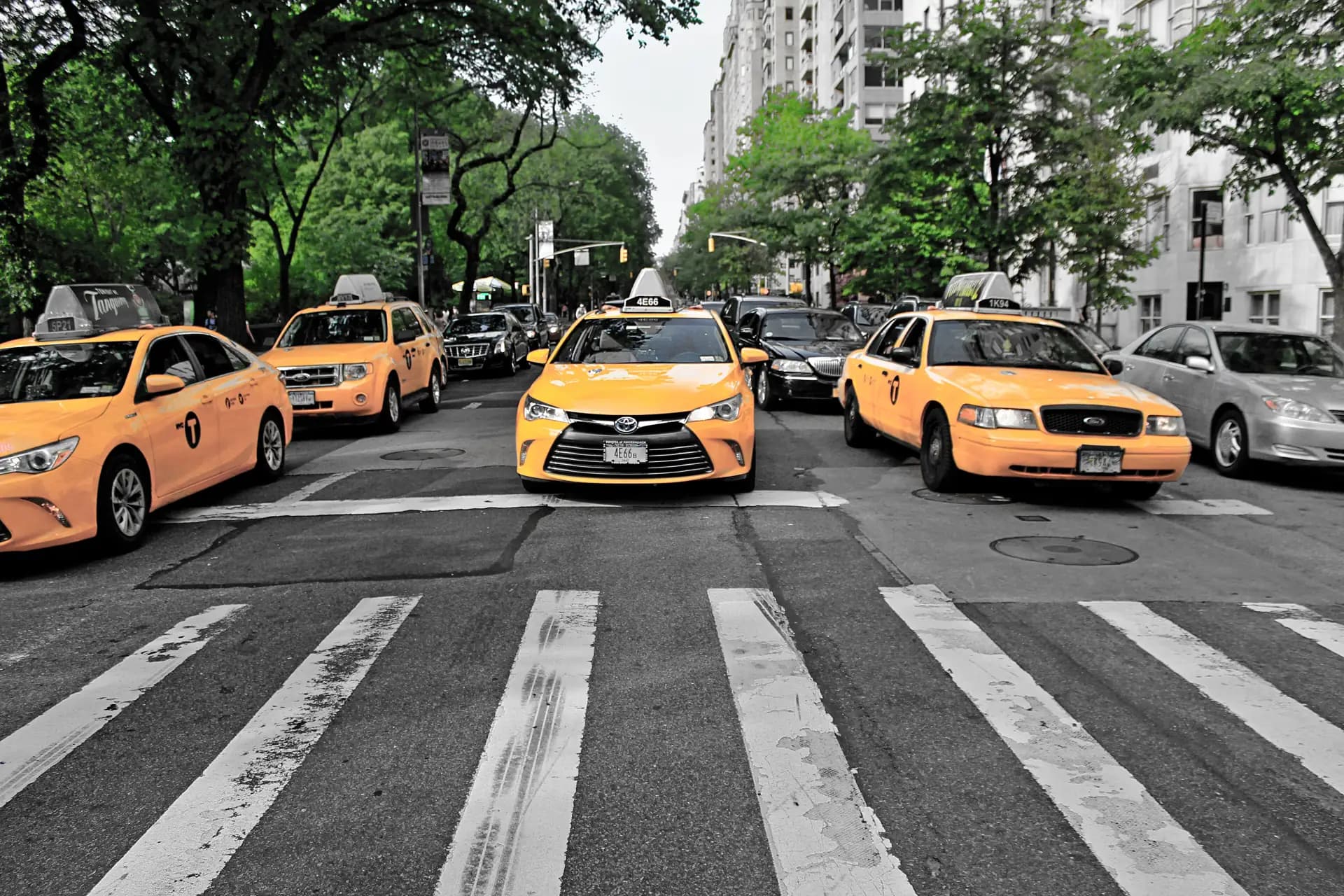
Matching riders with licensed drivers, pricing trips dynamically and taking a commission. Liquidity on both sides in each zone decides whether the service works.
Industry · Mobility
Mobility products move people through cities in real time, so software failures show up as stranded riders and idle vehicles. This page covers how ride-hailing, micromobility, fleet and transit operators work, the rules cities impose and the systems that keep vehicles and riders matched.
Ride-hailing, scooters, fleets and transit
City data feeds and permits considered
Real-time dispatch and safety tooling
Operating models
Matching riders with licensed drivers, pricing trips dynamically and taking a commission. Liquidity on both sides in each zone decides whether the service works.
Dockless or docked e-scooters and bikes rented by the minute. Operators win or lose on fleet utilisation, battery logistics and city permit terms.
Companies running vans, shuttles or pooled cars for staff or deliveries, focused on utilisation, maintenance schedules and driver compliance.
Transit agencies and their contractors running fixed routes, on-demand minibuses and paratransit, accountable to public service standards and accessibility duties.
Rules and constraints
Cities and regions license private hire drivers, vehicles and operators, often with background checks, insurance minimums and vehicle age limits. Rules differ sharply between neighbouring authorities.
Shared scooter and bike schemes usually run under city permits that cap fleet size, define parking zones and require operators to share trip data in formats such as MDS or GBFS.
Whether platform drivers are employees or independent contractors is contested in many countries and affects pay, benefits and how the app may direct work. Seek local legal advice.
Transit operators and, in some places, ride-hailing platforms must serve riders with disabilities, including wheelchair-accessible vehicles and accessible booking channels.
Core systems
Assigns trips to vehicles using location, ETA, vehicle type and driver status, and reassigns quickly when a driver declines or a vehicle fails.
Base fares, time and distance rates, surge or zone pricing, tolls, regulated taxi tariffs and transit fare caps, with fare estimates that match the final charge.
GPS, battery level, lock state and diagnostics from cars and scooters, used for geofencing, remote lock and maintenance alerts.
Onboarding with document checks, shift and earnings views, vehicle inspections and incident reporting.
Trip sharing, emergency buttons, identity checks, lost item flows and a support console that sees the full trip timeline.
Failure points
Spreading supply across a whole city leaves long waits everywhere. Dense coverage in a small area first builds reliable service.
Urban canyons, tunnels and cheap devices produce jumpy locations. Fares, ETAs and parking checks need smoothing and sanity rules.
Operators lose permits for late or wrong data feeds to the city. Build reporting into the platform rather than exporting by hand.
Accidents, assaults and lost items are rare but defining moments. Without clear tooling and escalation, they become public crises.
Mobility products depend on vehicles being near riders. Decide the launch area, hours and fleet size first, and estimate wait times from that. A short feature list in a dense zone beats a rich app with ten-minute pickups.
Permits, curb access and data sharing are negotiated with local authorities. Build regulator reporting, geofenced parking and speed rules as configurable features so you can meet each city’s terms without forking the code.
Phones lose signal, drivers go offline mid-trip and vehicles fail. Design states for every interruption: trip paused, reassigned, ended early, disputed. Fares and support records should survive all of them.
Load-test dispatch for peak events such as concerts and storms, when demand spikes and supply falls at the same time.
Riders and drivers judge a platform on how it handles bad moments. Identity checks, trip sharing, an easy emergency path and a support team with the full trip history are core, not optional extras.
FAQ
Enough drivers and riders in the same small area at the same times to keep waits short. Licensing, payment methods and pricing must also fit local rules and habits.
Commonly vehicle availability, trip records and parking events, often through standards such as GBFS for public availability and MDS for regulator access. Each permit sets its own terms.
Yes, with shared identity, payments and support, but dispatch, pricing and vehicle handover differ enough that they should be separate modules.
Most publish timetables in GTFS and real-time updates in GTFS Realtime, which journey planners and mapping apps consume.
Build paths
Rider, driver and admin apps with dispatch, pricing and safety designed for your market.
Open registerA ready ride-hailing base that can be adapted to local licensing and payment rules.
Open registerVehicle listing, booking, deposits and handover checks for rental and car-sharing operators.
Open registerTelematics and device integration for scooters, bikes and connected vehicles.
Open registerPrimary sources
Dated official documentation, standards, and research that support the factual claims on this page.
How to read this page
Scope, cost and timeline figures are planning guidance until confirmed in a written proposal. Diagrams and screens are illustrations, not client deliverables, and source-code rights and handover follow the signed agreement. See the delivery process and the full disclaimer.
Next decision
Define outcomes, constraints, evidence, rights and handover before delivery begins.
Commercial rights, repositories, environments, documentation, acceptance and handover remain contract-defined.
