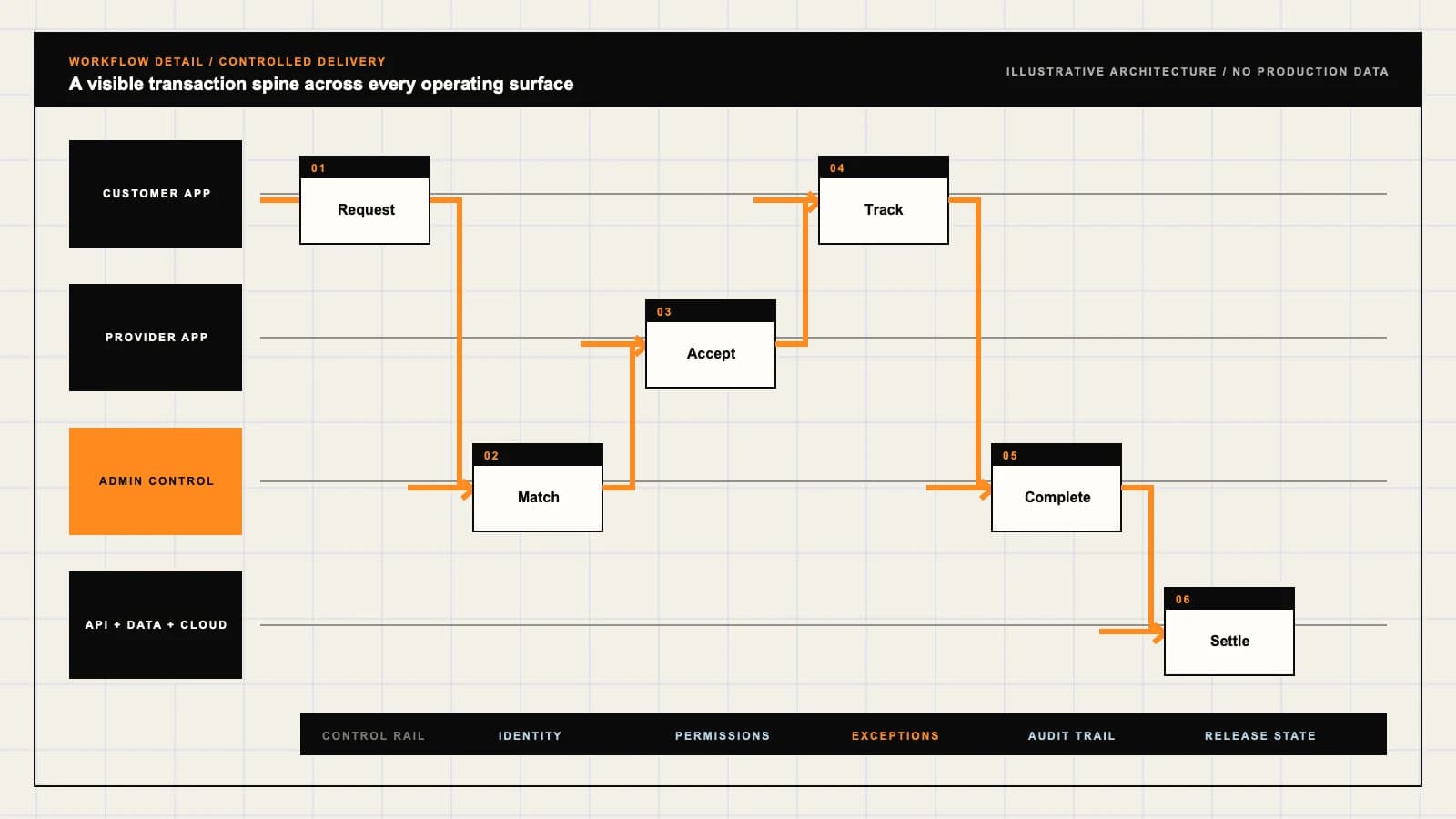
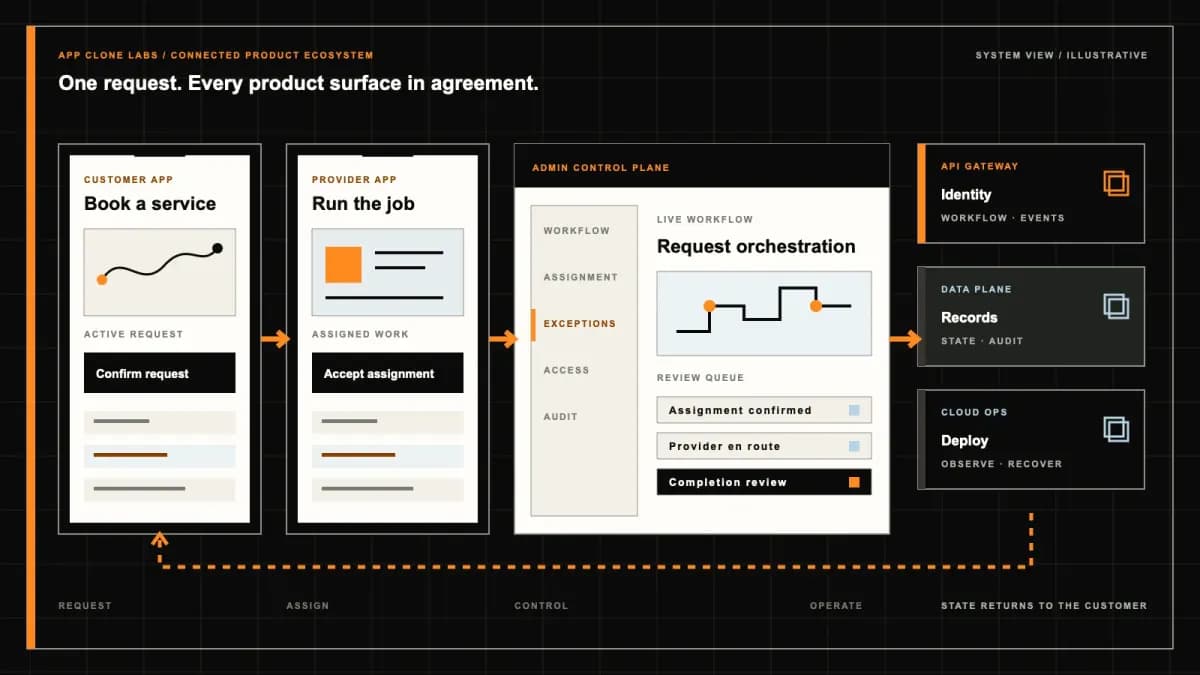
White-label remittance software connects a branded sender experience to the identity, quote, funding, review, payout, reporting, and support processes of an authorised operator. It is distinct from a general remittance category guide: the buying decision here concerns the software foundation, its configurable limits, partner integrations, administrative control, and deployment handover. The actual money-moving service remains bounded by the operator’s arrangements and applicable requirements.
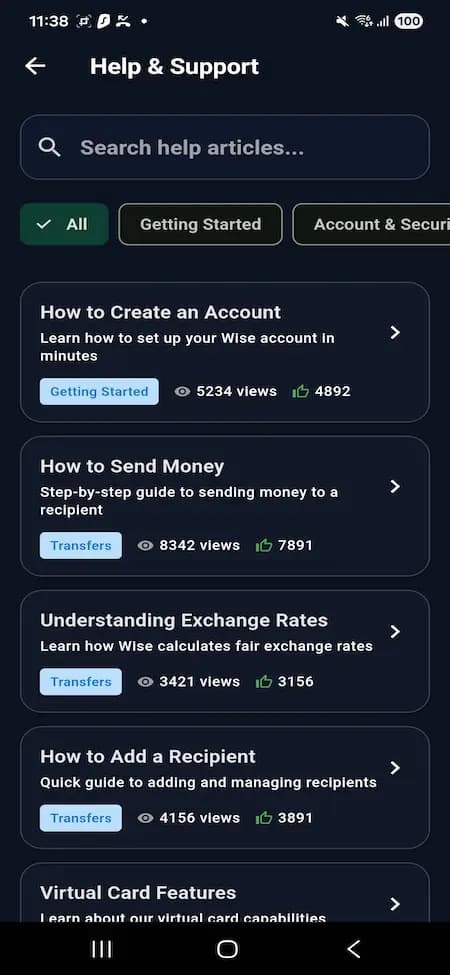
Before selecting software, write down who contracts with the customer, who receives funds, who performs screening, who executes payout, who handles complaints, and who supplies authoritative settlement records. A feature list cannot resolve those responsibilities. Stored balances, card issuance, safeguarding, business accounts, and additional corridors are separate decisions; none is included merely because a reference screen displays a related menu.
Choose the operating model before the interface
A partner-led branded experience and an operator-controlled transfer stack need different permissions and integration boundaries. Identify which activities your organisation performs directly and which are handled by contracted providers. Select the initial customer type and one supported corridor before designing broad multi-country navigation. Unsupported routes should remain unavailable, with an explanation and no misleading quote or funding option.
The proposal should distinguish features already available in the foundation from configuration, new development, provider-dependent capabilities, exclusions, and ongoing operational tasks. Request evidence for each claimed integration, including its sandbox state, production approval dependencies, error behavior, and ownership. A logo or settings toggle is not evidence of a usable partnership.
The quote is a customer decision record
Keep the source amount, destination amount, fees, currency pair, rate source, expiry, recipient and timing assumptions together. A customer who confirms one proposition should not receive a different one because a background rate changed. When a quote expires or eligibility changes, require a refreshed proposition and a new confirmation. Record what was accepted and the relevant version of terms rather than relying on the current settings screen.
After confirmation, funding status, review status, transfer submission and final payout remain separate states. Waiting for funding is not the same as a review hold; provider acknowledgement is not settlement; and settlement is not necessarily delivery. Design receipts and notifications around authoritative events. Avoid promising instant delivery or a better rate unless current, applicable evidence supports the statement.