A reading app needs boundaries, not predictions dressed as facts
White-label AI astrology software combines a branded reading experience, optional chart calculations, and advisor consultations. The buying decision is about which parts can be configured, which require engineering, and who can operate them responsibly. A generated reading is entertainment or spiritual guidance, not a factual forecast, diagnosis, investment recommendation, or substitute for qualified professional advice. Those limits must appear where a reader makes a decision, not only in a buried terms page.
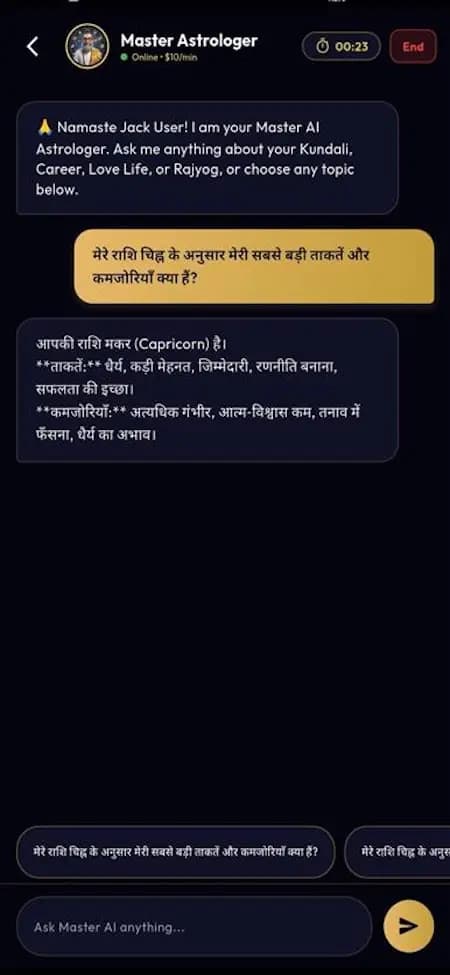
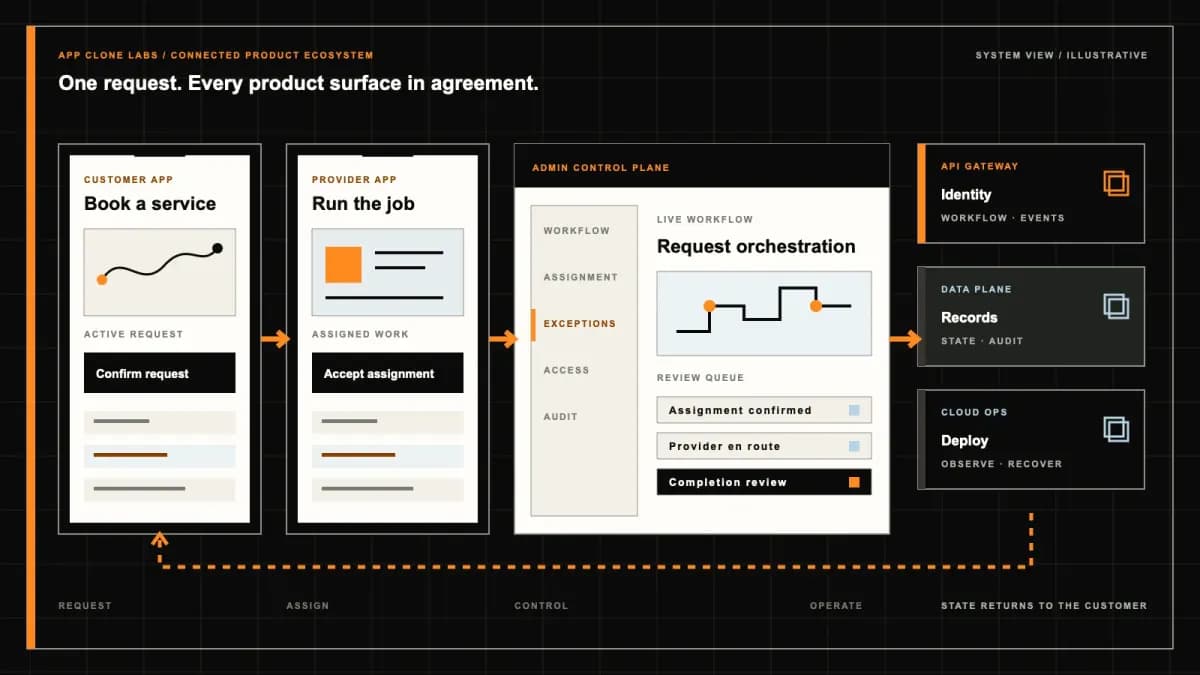
Start with one observable journey: a reader enters their own birth details, chooses a reading, sees how the inputs were interpreted, and understands the price and limitations before paying. If human consultation is offered, follow that same customer into an appointment and a support case. The public chat reference illustrates a possible interface; it does not establish calculation accuracy, advisor qualifications, model behaviour, or production availability.
Separate chart calculation from generated interpretation
Date, location, timezone, and birth-time confidence belong in a structured profile. The calculation provider and selected tradition determine which inputs are needed. An unknown time should remain unknown, with the affected reading limitations explained. A language model should not silently invent a missing time or alter a calculated result to make the narrative more convincing. Correcting an input should create a recognisable updated reading rather than overwrite the original purchase record.
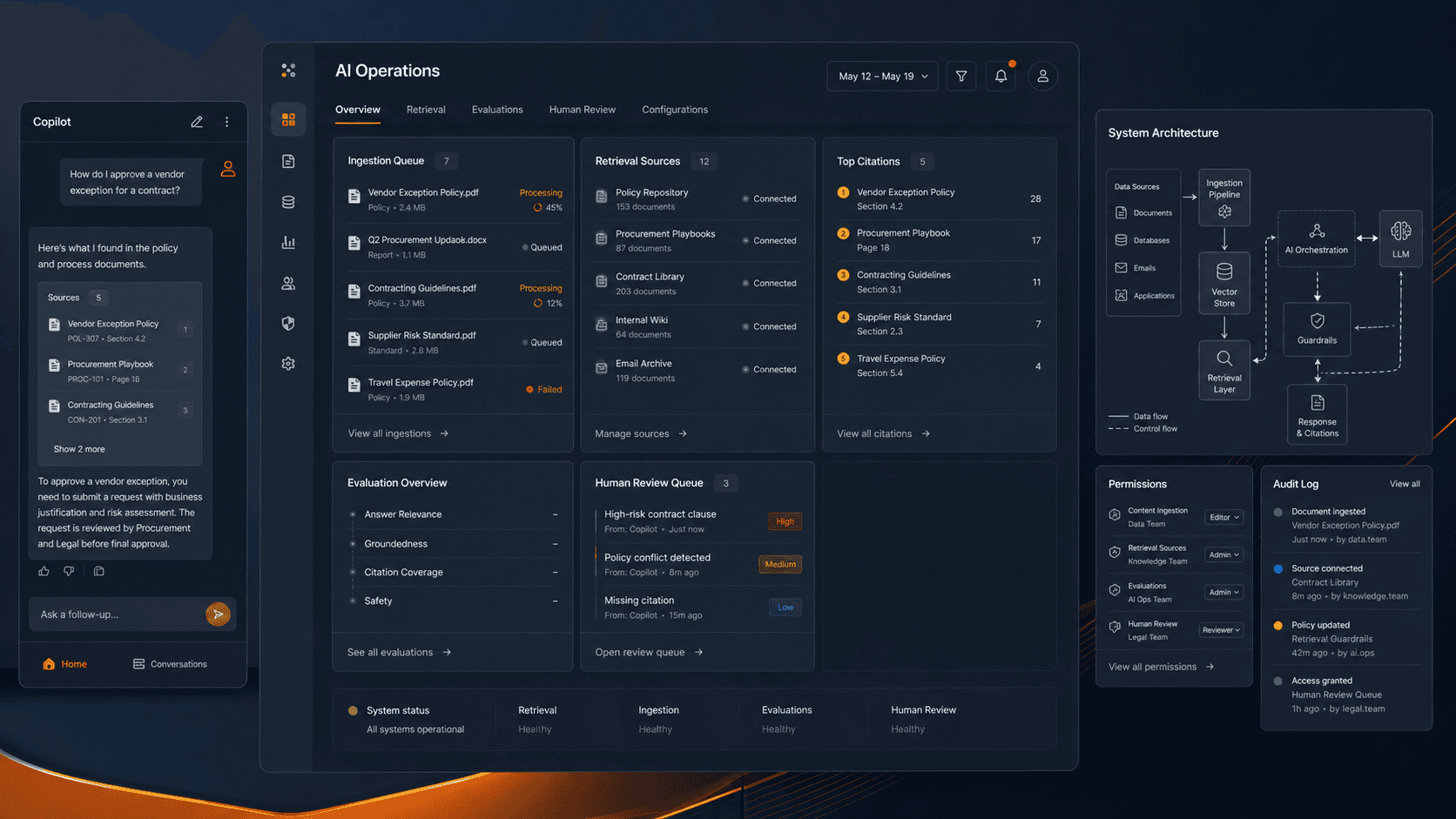
Keep calculation inputs, chart output, prompt version, model version where available, and generated text as distinct records. This makes a complaint about a wrong location different from a complaint about harmful wording. Reference content supplied to a model needs permission and editorial ownership. Evaluate a repeatable set of ordinary, incomplete, contradictory, and unsafe prompts before release; a fluent answer is not an acceptance test. NIST’s voluntary AI risk-management guidance is a useful planning reference, not a certification claim.
Birth profiles deserve deliberate privacy choices
A profile can combine identifying information with intimate questions about relationships, family, or wellbeing. Collect only the data needed for the selected feature and explain its use before submission. Separate a reading account from marketing consent. Decide whether profiles are stored, how long conversations remain available, which vendors receive inputs, and how deletion requests propagate to supported storage systems. Do not describe encryption, data residency, or model-provider retention as proven controls without implementation evidence.
Third-party profiles need particular care. A user entering another person’s birth details is not automatically authorised to create a persistent dossier about them. Define acceptable use, consent expectations, and removal channels. Support staff should see a case reference and necessary context, not unrestricted private transcripts. If consultation recording is proposed, establish consent, access, retention, and legal review separately. Children and vulnerable users require an explicit eligibility and safety decision rather than an unrestricted signup form.
Consultations are appointments with recoverable outcomes
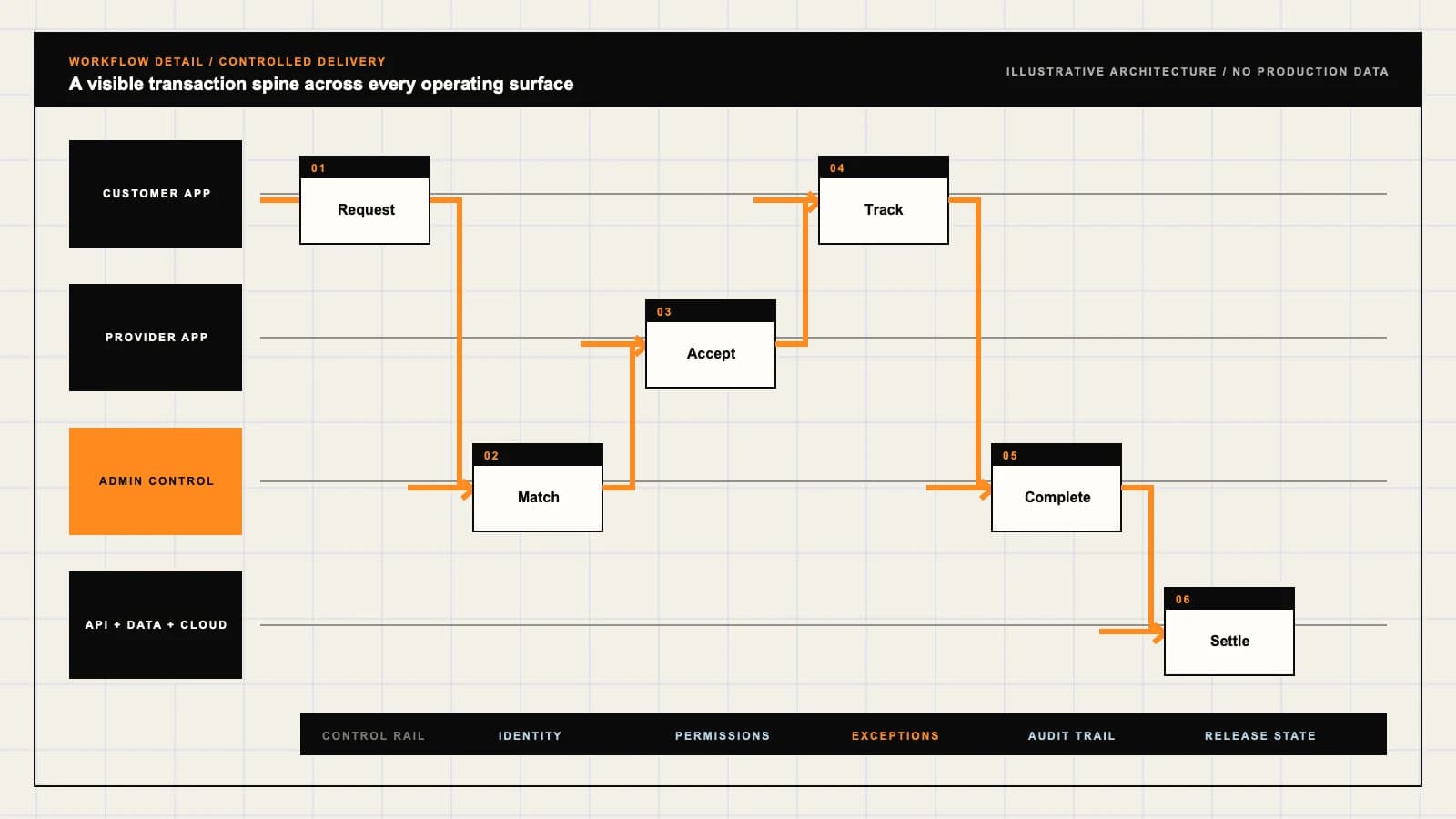
An advisor profile should state the offered service, language, availability, duration, and applicable terms. Any claimed credential needs verification appropriate to that claim; platform screening does not prove predictive accuracy. Booking should reserve capacity, present the total charge, and send an understandable confirmation. A failed payment must not create a paid appointment, and a repeated confirmation request must not create two bookings. Keep advisor absence, customer absence, technical interruption, and completed consultation as distinct outcomes.
For timed sessions, agree when billing begins, what happens during a disconnect, and whether a customer can stop the session. Show remaining duration without encouraging distress-driven spending. A refund decision needs the accepted terms, session events, and support notes. Provider settlement should follow the agreed service outcome and dispute rules. Live video, messaging, and subscriptions add vendor dependencies and operating responsibilities; they are not included merely because a reference screen has the relevant icon.