A viewer should be able to report the actual clip or behaviour with enough context for investigation. Separate the report, moderation decision, creator notification, and appeal record. Blocking another account should affect the relevant feed and interaction surfaces according to a disclosed policy. Decide what a blocked user can still see publicly and avoid promising absolute invisibility that the product cannot enforce.
For Android distribution, Google Play’s user-generated content policy describes moderation, user-policy, reporting, and blocking expectations. Review the full current requirements against the actual community and interaction model; an automated filtering integration is not evidence of policy compliance.
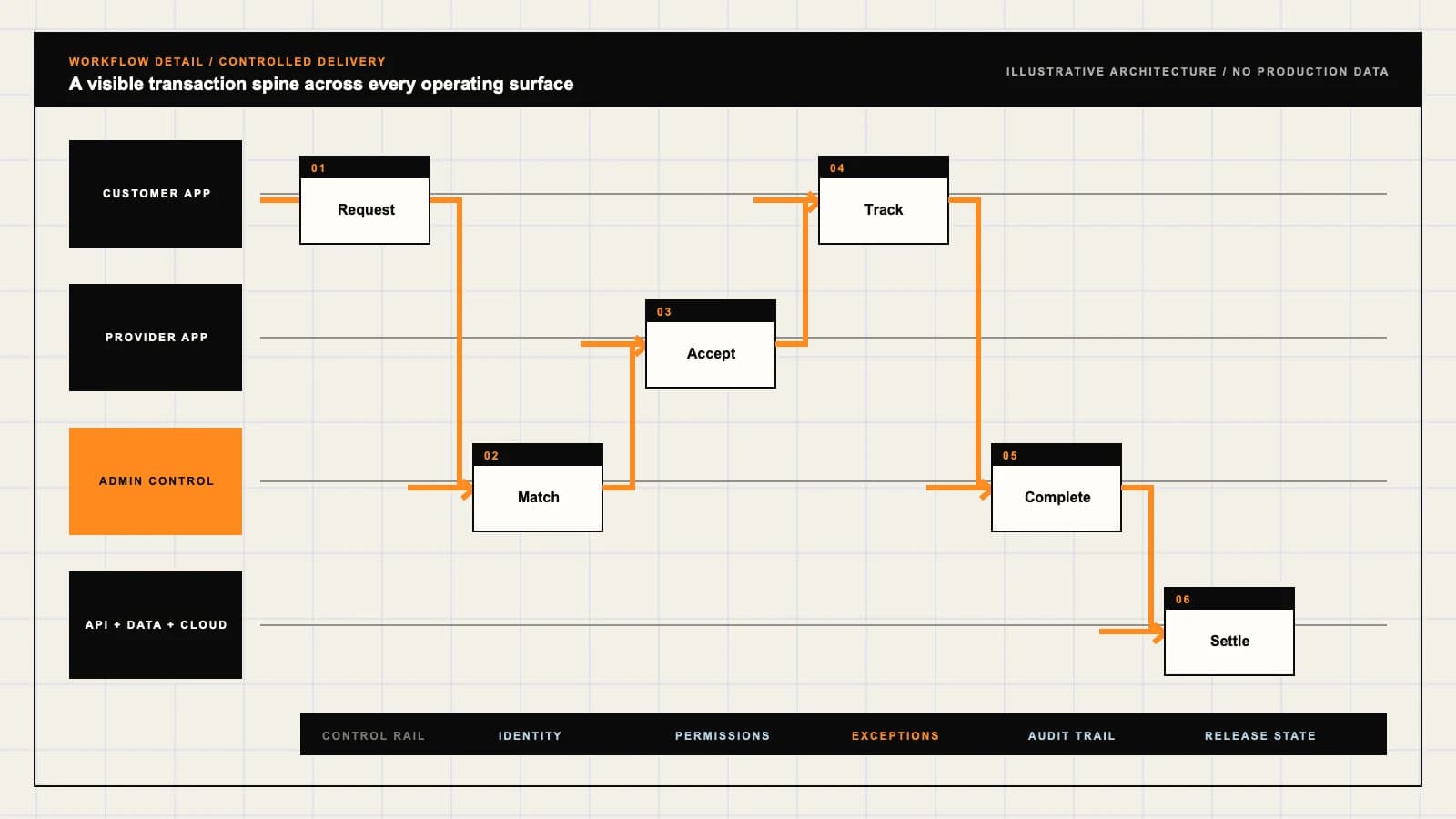
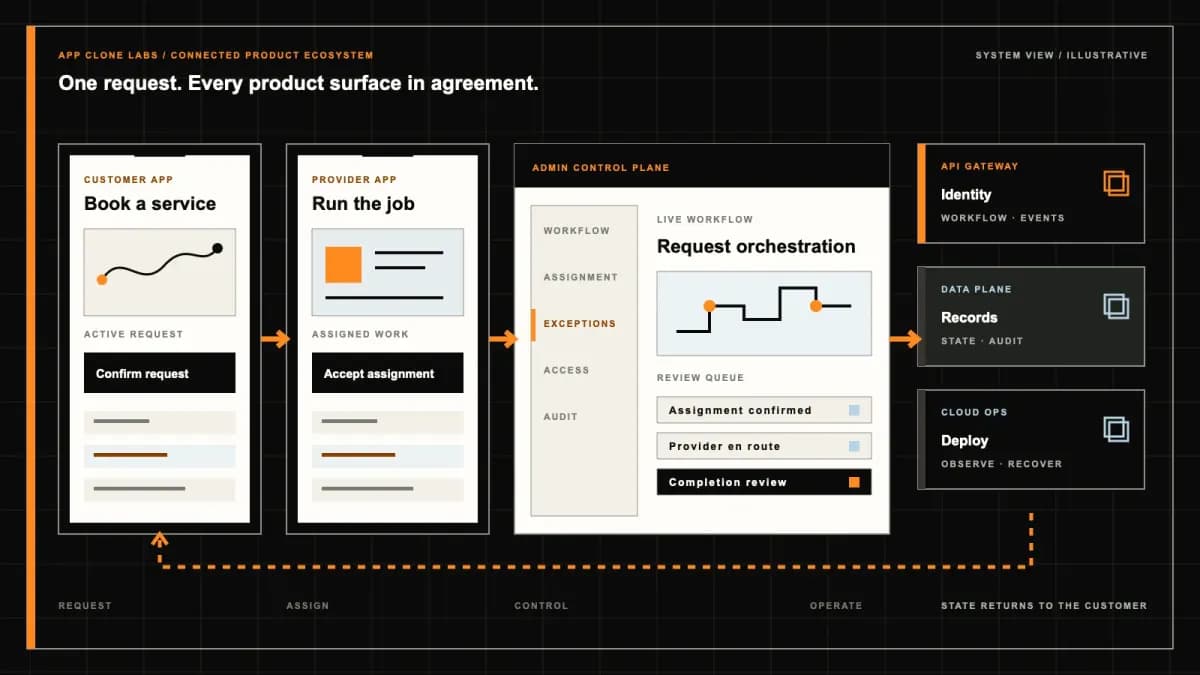
Automated tools can assist with review, but they need measurable limits and a human escalation path. Staff should see why a case was flagged, the relevant clip version, prior decisions where permitted, and the allowed response. Prevent ordinary moderators from exporting unrelated private user records or changing campaign payments. Assign operational ownership for queues so reports are not merely collected without resolution.
Treat music, remixes, and monetization as separate rights decisions
A creator’s ability to upload a soundtrack does not prove permission to distribute it or let others reuse it. Establish permitted sound sources, attribution rules, complaint handling, and the scope of any remix feature. Advertising, gifts, subscriptions, and creator reward programmes can change those commercial rights and provider requirements. Keep them outside the initial contract unless their rules and approval dependencies are understood.
If advertising is included, identify sponsored material, eligible inventory, campaign limits, reporting definitions, and invalid activity. Distinguish viewer engagement from billable impressions and distinguish a creator’s estimated reward from a payable amount. Avoid displaying sample earnings as evidence that creators will make money. The operator’s contracts and selected providers define the real financial responsibilities.
For native iOS delivery, Apple’s App Review Guidelines are another distribution reference, including their user-generated content expectations. Submission needs review of the actual app and SDKs; no software engagement can guarantee a platform decision.
Evaluate the publishing loop, not only the swipe animation
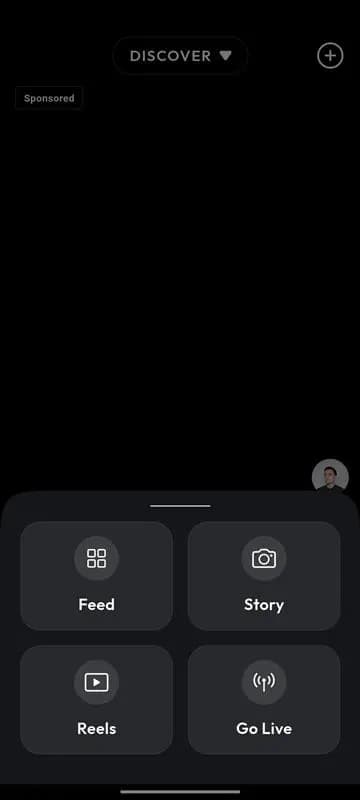
Ask to see a creator submit a clip, a failed processing job, a moderation hold, an approved feed entry, a report, a restriction, and an appeal. Inspect whether removal propagates to search and notifications. The reference publishing menu here shows entry points for feed, stories, reels, and live video; those are separate scope choices, not evidence that every format is supplied or demonstrable.
A broader social interaction model can be compared with social media app development. Define the intended relationships and community controls before choosing formats that merely resemble another platform.
white-label micro-drama brief describes series rights, episode progression, and viewing entitlements rather than open creator publishing. Keep those intents distinct even if both products use vertical video.
Bring audience rules, upload limits, content policy, interaction scope, moderation staffing, monetization decisions, and sample failure cases to discovery. The proposal should identify foundation versus new work, provider access, platform submissions, retention, cost controls, acceptance checks, and handover rights. Launch with a community your team can actually govern. Add richer ranking, live formats, and income programmes only with matching safety operations and tested recovery paths.