A sportsbook brief starts with authority, not a bet slip
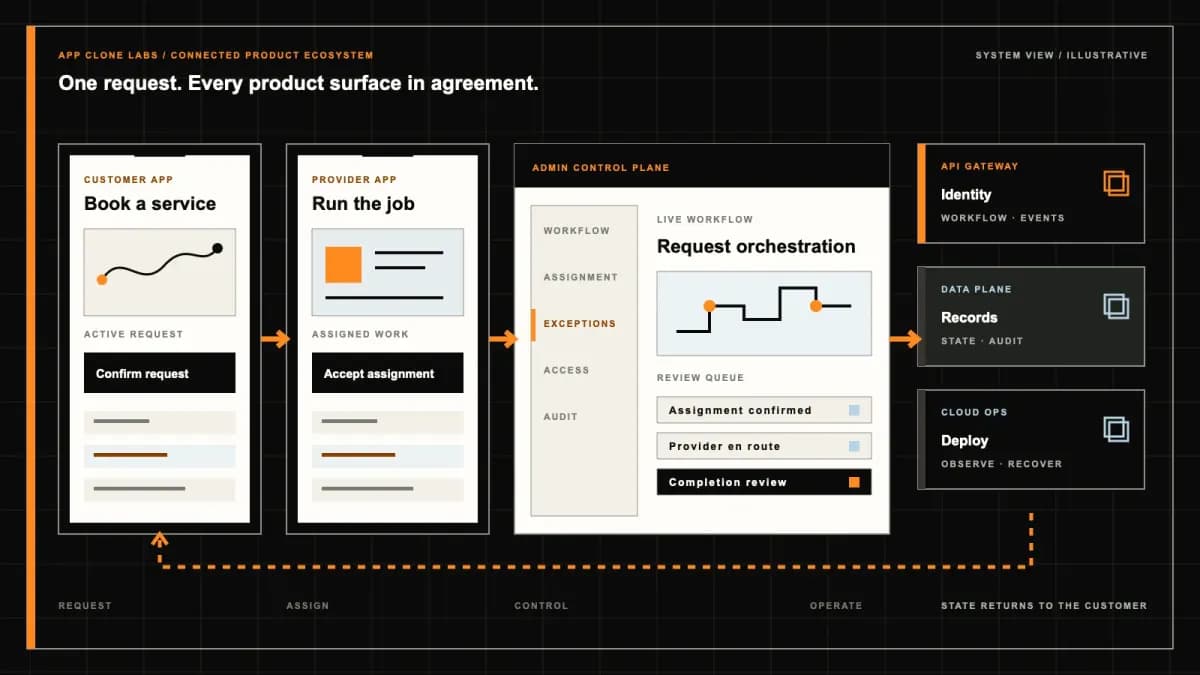
White-label sports betting software is a procurement and engineering proposition for an appropriately authorised operator. The proposed product can connect a branded player experience with market data, bet acceptance, player controls, settlement, and operational review. Buying software does not provide a gambling licence, a payment arrangement, permission to advertise, or approval to accept players in any location. This page is planning material, not an invitation to place wagers or a claim that an operating sportsbook is available.
Before assessing interfaces, identify the legal operator, intended jurisdiction, permitted customer group, selected sports and wager types, and named providers. An operator’s qualified advisers must establish the applicable obligations and restrictions. An engineering proposal then translates the approved boundary into controlled software behaviour. Unsupported countries, events, and payment methods should remain unavailable rather than appear as attractive options that staff hope to resolve later.
Separate the reference interface from a verified operating service
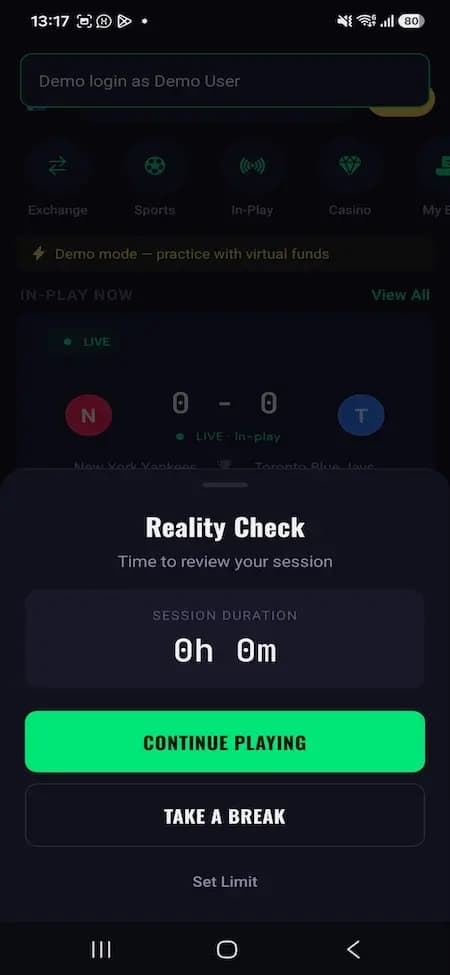
The displayed virtual-funds reference illustrates a session prompt and limit controls. It does not establish identity verification, location enforcement, self-exclusion across accounts, withdrawal processing, licensed operation, or tested player-protection outcomes. Request a guided walkthrough and ask which records are simulated, which integrations can actually be demonstrated, and which approvals are still outstanding. A visible reality check is an interface example, not a compliance certificate.
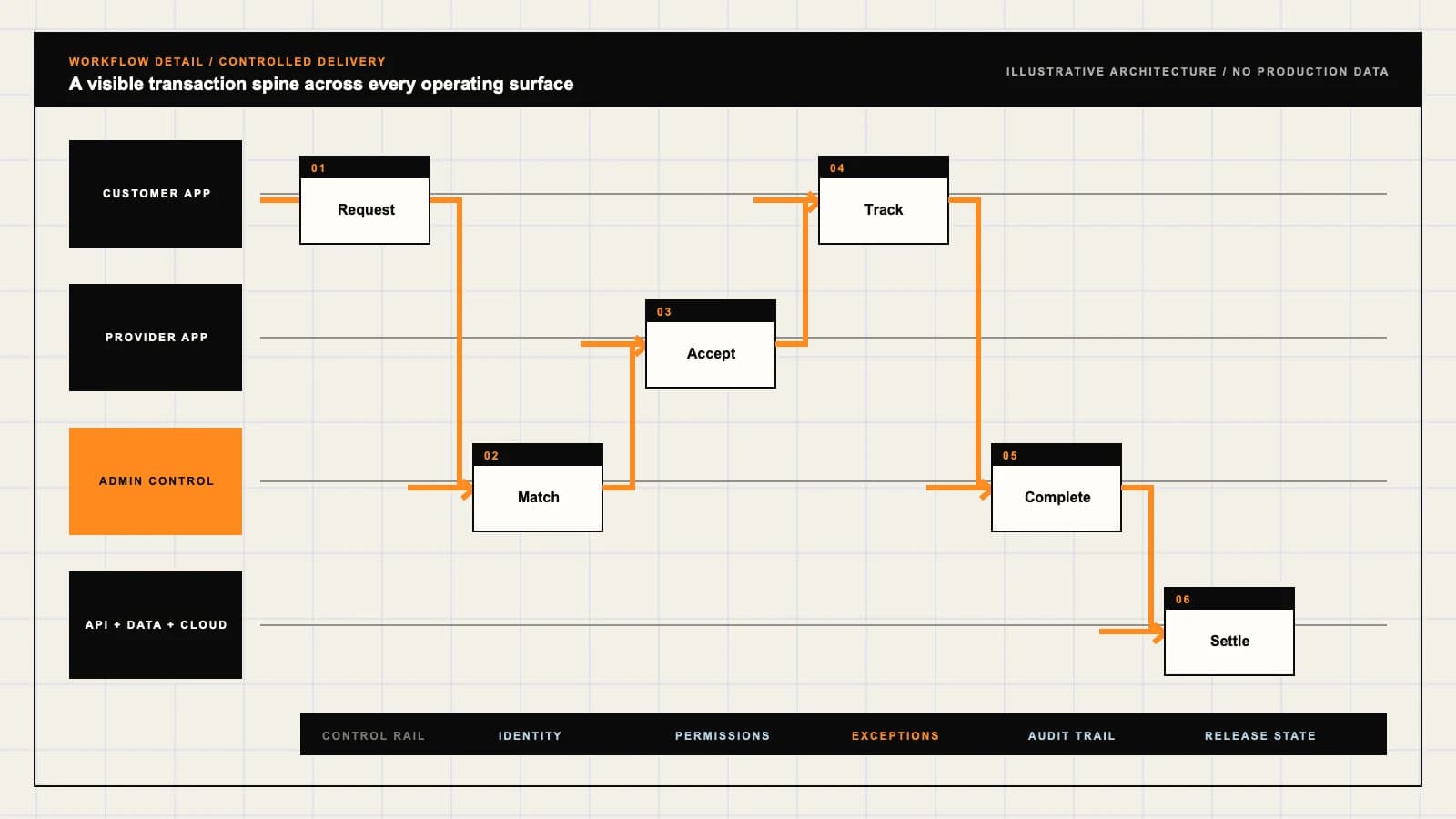
Useful evaluation follows an accepted wager, a rejected wager, an interrupted request, and a corrected result. Include the matching operational record and financial entries. The review should show how the team knows that no duplicate bet was accepted and how a player can challenge a settlement. Do not use real funds in a software demonstration unless the operator has separately established the necessary permissions, accounts, and controls.
Odds are a time-bound proposition
A selection needs an event identifier, market identifier, price, feed timestamp, applicable rules, and market status. If the price changes before acceptance, the product should follow the approved confirmation policy instead of silently substituting terms. A stale feed, event suspension, or missing market mapping needs a defined unavailable state. A cached screen must not continue to advertise an actionable price simply because it still looks current to the player.
Begin with a deliberately bounded market catalogue. Prematch singles and more complex combinations do not share every rule. Postponed events, abandoned matches, invalid selections, and corrected results require explicit treatment. Retain the rule version that applied when a wager was accepted. Trading staff need authority to suspend a market without unrestricted ability to change historical receipts or remove evidence of a pricing incident.
Acceptance and balance reservation must agree
The central engineering question is whether the platform accepted this particular wager once, for these terms, with sufficient available funds and all applicable checks satisfied. Use a stable correlation reference across the request, acceptance decision, ledger reservation, and receipt. A timeout is an unknown outcome, not permission to repeat the wager blindly. Recovery should query the existing decision or route the case to a controlled exception queue.
Keep requested, accepted, rejected, settled, voided, and disputed states distinct. Pending acceptance should not appear as a completed bet in customer communications. A rejected wager should release any reservation according to a tested path. Simultaneous requests, repeated taps, out-of-order callbacks, and service restarts belong in the acceptance tests. The operator also needs reports connecting reserved funds to actual open obligations rather than an attractive but unexplained balance total.