An earnings statement is not a payout confirmation
Separate gross member payments, applicable taxes, processor fees, platform fees, refunds, disputes, reserves, adjustments, and creator payable amounts. Save the relevant fee rule with each calculation. An estimated balance should not be described as available cash unless the provider and contractual rules support that status. Creator statements need enough references to explain differences without exposing unrelated member payment information.
The Stripe connected-account payout documentation distinguishes payout lifecycle states and related events. Provider setup, supported countries, account eligibility, and the selected funds flow determine what is available; listing Connect here does not establish an approved connection or universal creator coverage.
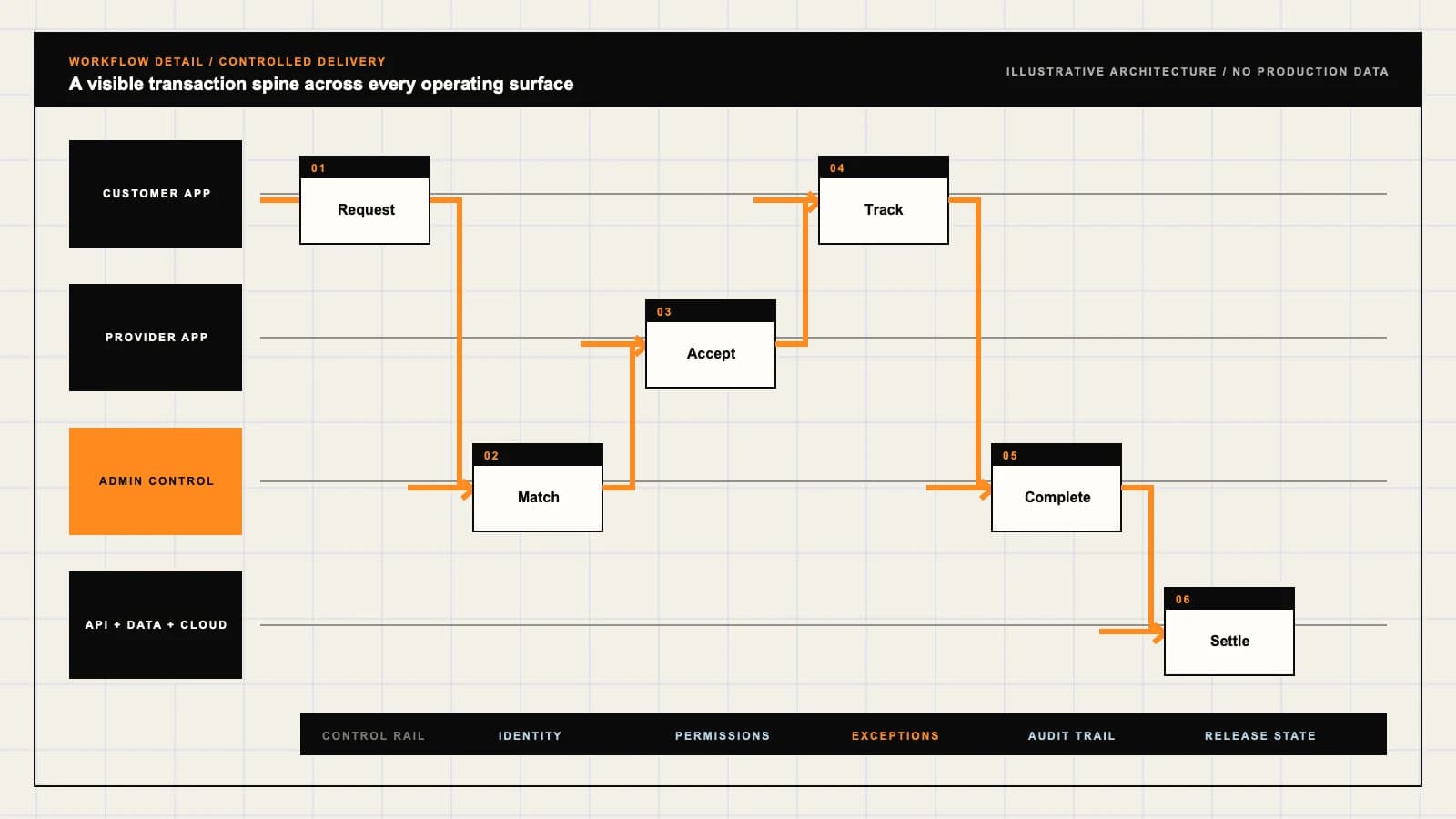
A failed payout belongs in an operational queue with the provider reference, reason, permitted next action, and assigned owner. Changing bank details or retrying payment requires appropriate authorization and safeguards. Reconcile financial events with provider records rather than marking creators paid when a request is merely accepted. Decide who handles negative balances and future adjustments under the signed commercial arrangement.
Content policy affects payment and distribution choices
An education or arts membership business is not the same as an age-restricted content service. Define allowed categories before selecting payment providers, native distribution, onboarding, or moderation tools. Adult or otherwise restricted material requires a separate assessment of provider acceptance, verification, consent, recordkeeping, safety, and applicable law. A generic age gate or a software licence does not establish authorization to operate such a service.
Likewise, tips, digital goods, coaching, and events can introduce distinct tax, refund, delivery, or professional-service questions. Qualified advisers and the actual operator must determine applicable requirements for intended markets. Software can preserve supplied disclosures, enforce agreed permissions, and provide evidence; it cannot certify that creator statements are true or that the commercial model is lawful everywhere.
Inspect a membership lifecycle in the demonstration
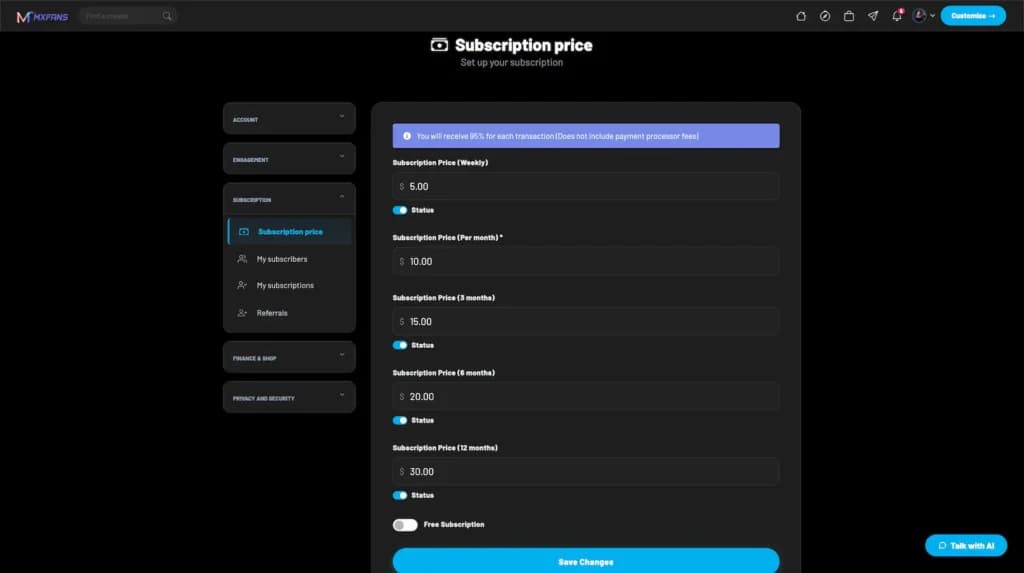
Request a creator onboarding example, a tier purchase, a gated post, a failed renewal, cancellation, a partial refund where supported, and a payout failure. Ask staff to explain the member’s remaining access and the creator’s statement after each event. The reference subscription settings shown here illustrate possible controls. Sample prices and revenue-share notices are not App Clone Labs terms, earnings evidence, or processor approval.
The Patreon-style membership brief provides a familiar category reference for tiers and ongoing benefits. This white-label brief adds the procurement questions around configurable limits, operator authority, provider dependencies, branding, and agreement-defined rights.
If the central product is an audience publishing feed rather than recurring benefits, review the white-label short-video app brief instead. Discovery engagement and membership fulfilment can coexist, but they should not be combined without clear access, policy, and financial boundaries.
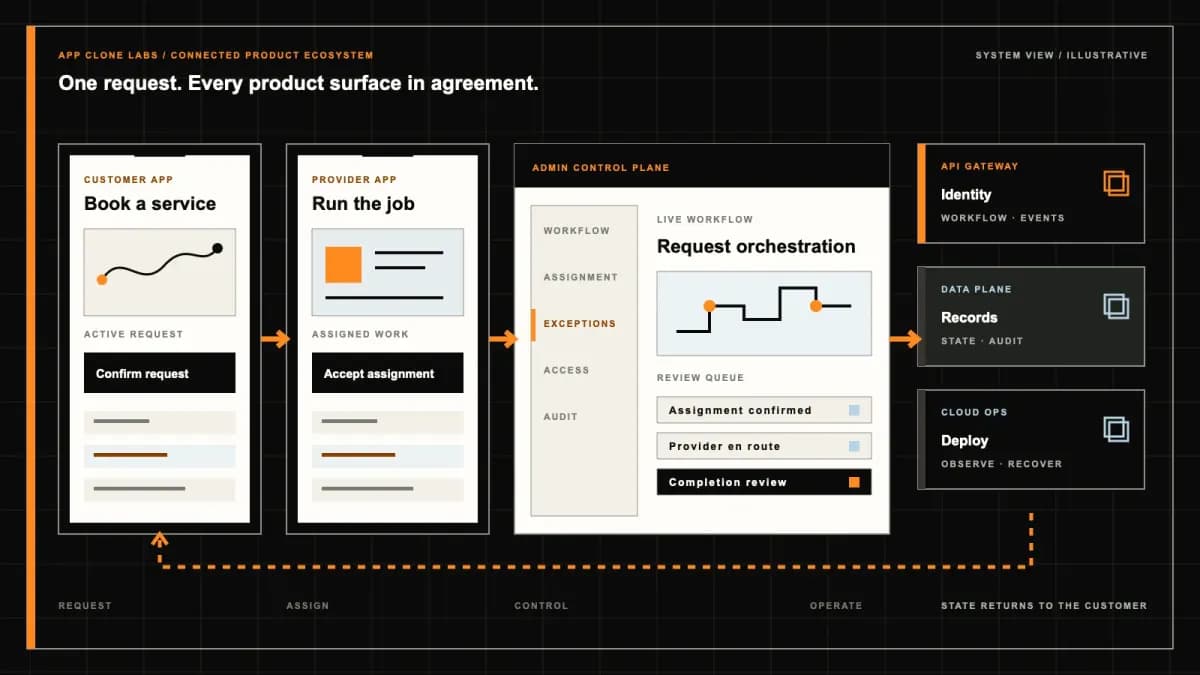
Bring representative tiers, permitted creator categories, target countries, refund and cancellation policies, benefit obligations, provider preferences, and sample finance cases to discovery. The proposal should state configured versus custom capabilities, exclusions, account approval dependencies, data migration, acceptance checks, infrastructure ownership, source and component rights, and maintenance responsibilities. Validate a complete membership and settlement loop before extending commerce, payout markets, or automated community access. The useful outcome is an accountable business workflow, not an unsupported revenue promise.