A short episode needs a complete distribution decision
A viewer discovers a drama, watches the opening episode, and wants to continue. Your product must know whether the next episode is released, whether the viewer has access, whether the series can be distributed in that territory, and which language version to play. A white-label micro-drama app connects those decisions to a branded episodic experience. It is a licensed publishing and access system, not simply a short-video feed with a payment button.
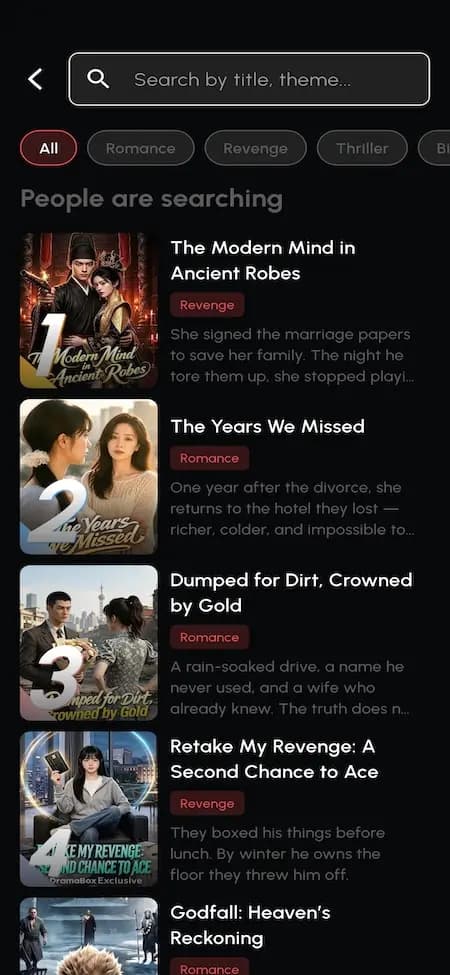
App Clone Labs can scope series management, episode publishing, viewing journeys, entitlements, and an operator workspace around your catalogue and commercial model. Begin with a rights-cleared sample series and the intended audience. Identify the supplying studio, the operator that contracts with viewers, the permitted distribution channels, and the person who can approve a release. A reference screenshot does not supply those commercial arrangements.
Separate a series record from its distribution rights
The catalogue describes the story: title, synopsis, artwork, cast information where permitted, genre, language, age information, and ordered episodes. The rights record describes what the operator may do with it. Link the two without collapsing them into one available switch. A series can have different dates, permitted regions, subscription conditions, promotional permissions, and subtitle or dubbing rights under separate agreements.
Record rights start and end times with a deliberate timezone rule. Decide whether an expiry stops new purchases, all streaming, offline playback, or only a particular offer according to the contract and customer terms. The customer-facing explanation needs to be agreed before money is collected. Software can enforce supplied rules; it cannot establish that a licensor owns the underlying material or that your agreement grants every requested use.
Make episode order and asset versions explicit
An episode number, a video file, and a published episode are different records. A corrected cut may replace an earlier asset while retaining the same place in the series. Keep the approved video version, subtitle files, cover image, runtime metadata, and release status together. Preview the final encoded version rather than approving only an original upload that may differ from what viewers receive.
For localization, assign responsibility for subtitle accuracy, timing, character names, translated descriptions, and accessibility review. Do not silently publish a placeholder language track. Define the fallback when a requested language is unavailable. A regional catalogue may require different artwork, age information, or episode availability; the interface should explain those differences instead of implying an identical global library.
An entitlement is not a successful checkout screen
Subscription access, season purchase, episode unlock, and free preview need distinct rules. Save the offer and access terms accepted by the viewer, process authoritative purchase events, and support restoration on the agreed platforms. A interrupted checkout can leave a payment confirmed but access unresolved. Support needs the purchase reference and a safe recovery action, not a suggestion that the viewer should pay again.
If credits are considered, define how purchases, rewards, deductions, reversals, and expiry are recorded. Avoid treating a single balance field as the entire financial history. Start with one understandable access model if the team cannot yet reconcile mixed offers. Show the full cost and access boundary before confirmation; artificial scarcity, unclear recurring charges, and misleading unlock prompts are not a sound product foundation.