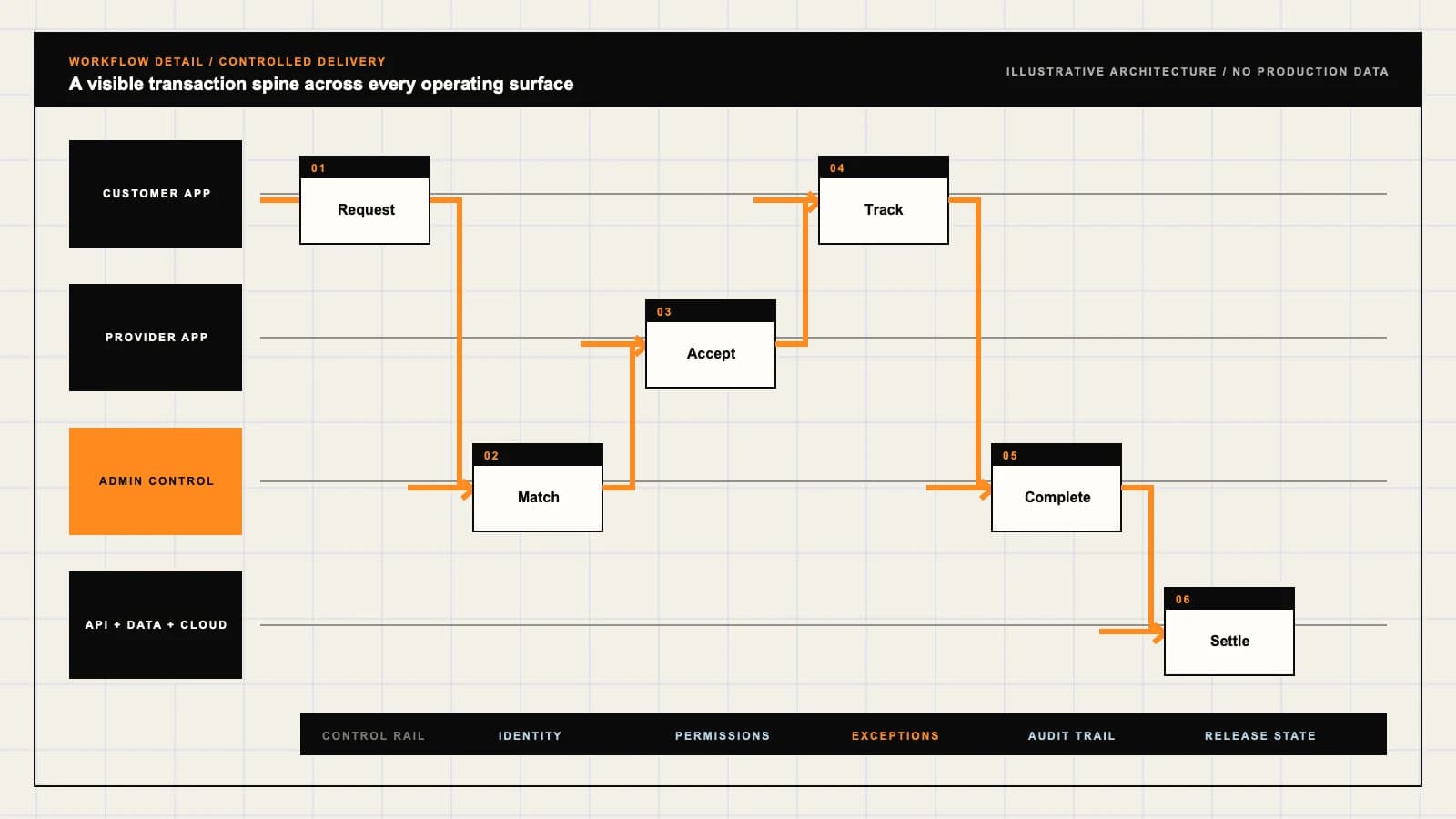
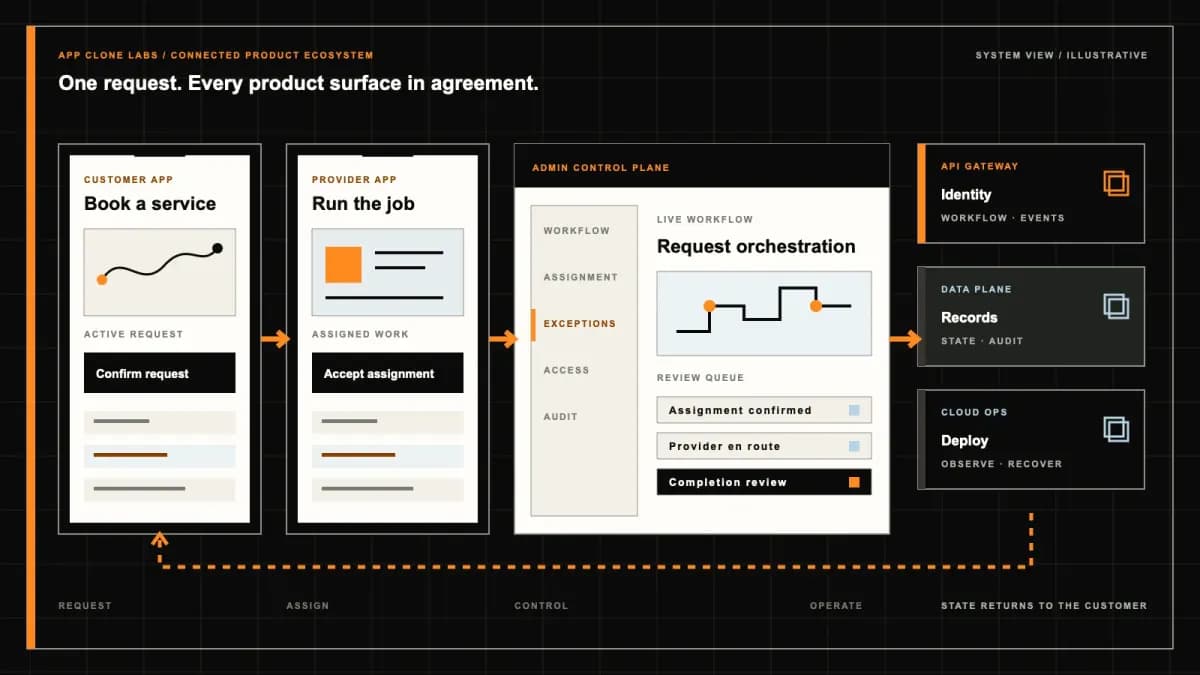
Keep the cancellation rules accepted at booking, the property’s local deadline, the request time, and the authorised decision together. Changing the property’s current policy must not rewrite past bookings. Date changes can affect availability, price, fees, and cancellation eligibility; define whether they require a new quote, an amendment, or a cancellation and rebooking. Show the guest the result before applying a charge.
A refund approval is not proof that money returned to the guest. Record the provider request, pending outcome, failure, and completion as separate events. Stripe’s refund documentation is one provider reference; chosen methods and merchant arrangements determine actual behaviour. Partial refunds, deposit release, owner settlement adjustments, and disputes need reconciliation. If damage is alleged, preserve evidence and a review process instead of treating a staff note as permission for an automatic deduction.
Property operations belong beside the booking record
Assign arrival preparation, cleaning, inspections, and maintenance to people or teams with clear deadlines. A cancelled stay should update tasks without hiding the cancellation record. Late checkout, an inaccessible property, missing keys, and an emergency repair need support ownership. Maintenance blocks should affect sellable inventory, not merely appear on an internal checklist while guests continue booking the same dates.
Guest identity documents, contact details, and access instructions require deliberate permissions and retention. Cleaning staff need task information, not unrestricted payment or identity records. Owners should see their property’s approved reporting without another owner’s guest data. Door-code integrations require provider-specific expiry and recovery behaviour. A notification sent is not evidence that the guest received usable access; keep a support path available for arrival failures.
Separate branded software from operating permission
The property operator must establish applicable short-term rental, safety, tax, advertising, and consumer responsibilities with qualified review. Property images and descriptions need authorised use and accurate representation. Listing verification should have a defined scope; it cannot promise that every stay will be problem-free. White-label domains, templates, and branding do not include third-party distribution contracts or permission to reuse another platform’s content.
The proposal should state which capabilities are present in the selected foundation, which are configuration, which require custom work, and which depend on vendors. Source access, licensed components, hosting responsibility, backups, and ongoing maintenance follow the signed agreement. One property manager deployment is not automatically a demonstrated multi-brand platform. Additional tenant boundaries require tests for inventory, guests, provider credentials, staff roles, and owner reporting.
Acceptance evidence for a useful first release
Choose one inventory model, a limited portfolio, and a defined distribution approach. Test overlapping reservation attempts, stale feed data, an expired hold, delayed payment success, duplicate callbacks, a local-time cancellation boundary, partial refunds, a maintenance block, and a failed arrival. Inspect customer messages and staff queues together so an exception has an actionable next step rather than a generic error.
Handover should include inventory authority, channel mappings, quote rules, policy versions, permission tests, refund reconciliation, retention decisions, and recovery evidence. Only then add channels, pricing automation, loyalty, and owner portals according to demonstrated needs. This approach supports a usable rental operation; it does not guarantee occupancy, tax compliance, marketplace approval, uninterrupted integrations, or a fixed launch date.
Compare the broader guest-and-host model in the Airbnb-style marketplace brief
For agency booking and supplier distribution rather than managed properties, review the white-label travel portal brief