Copyright, licensing, personal rights, and platform policy are not interchangeable. A provider allowing an output download does not establish ownership of every element or approval for every commercial use. Do not label generated videos copyright guaranteed. Record licensed inputs and relevant human editing where appropriate, and involve qualified reviewers for sensitive or high-value publication decisions. A rights declaration can support accountability but cannot manufacture rights the uploader does not have.
The US Copyright Office AI materials address copyright questions involving AI, including output copyrightability. They provide a primary source for review, not a worldwide clearance certificate. Applicable law, provider terms, supplied assets, and the specific human contribution still need assessment.
Treat quotas as an operational cost control
Generation usage varies by provider and selected settings. Show the applicable unit and estimate before submission where meaningful, then reconcile actual usage. Define whether credits are reserved, consumed, released, or adjusted after failure or cancellation. Keep customer-facing credits distinct from provider billing units. An apparently generous subscription can become unsustainable if retries, exports, storage, and rendering are absent from the cost model.
Workspace owners need budgets, member limits, permitted models, concurrency controls, and usage history. Prevent a user from bypassing a quota through repeated requests or switching projects. Give support a controlled adjustment path with a reason and approval rather than a writable balance field. Decide how provider outages affect customer entitlements and communicate that treatment before selling usage-based plans. No universal rendering cost or margin is promised here.
Review the output before it leaves the workspace
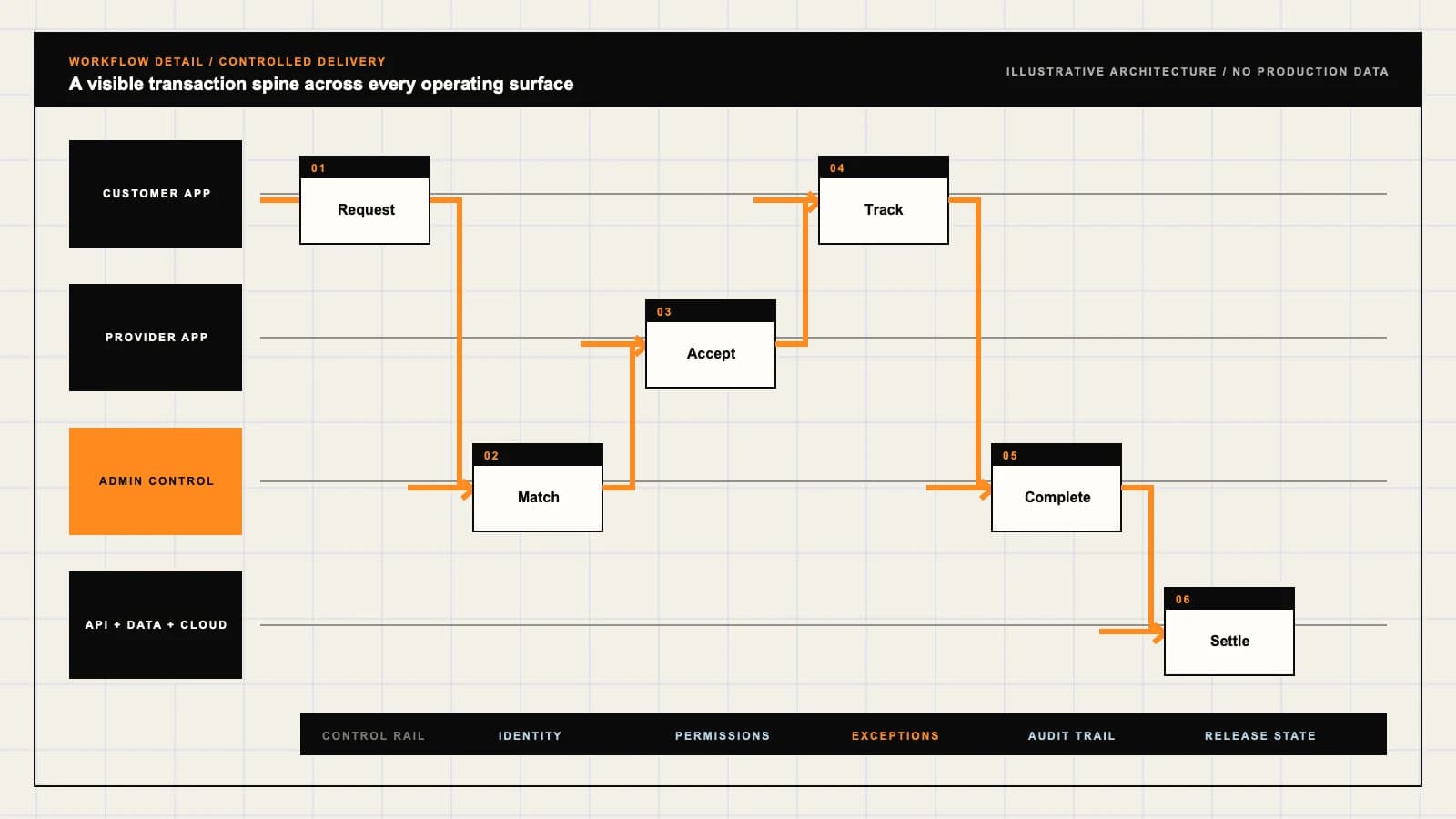
A completed job is a draft. Review product labels, factual claims, likeness, motion defects, audio, subtitles, accessibility, and brand suitability. Record whether the reviewer approved, rejected, or requested changes, and attach the decision to the exact artifact version. Editing an approved output should require the appropriate new review. Do not let a download button bypass a mandatory campaign or client approval gate.
Exports need agreed formats, naming, watermark or disclosure handling where relevant, and destination permissions. Signed asset links should not remain public indefinitely. Publishing integrations introduce account scopes, revocation, and channel rules beyond ordinary downloads. Start with controlled export if automatic publishing is not necessary. Commercial performance, audience engagement, model consistency, and acceptance by a distribution platform cannot responsibly be guaranteed by a generation interface.
Provider retention and your own storage are separate
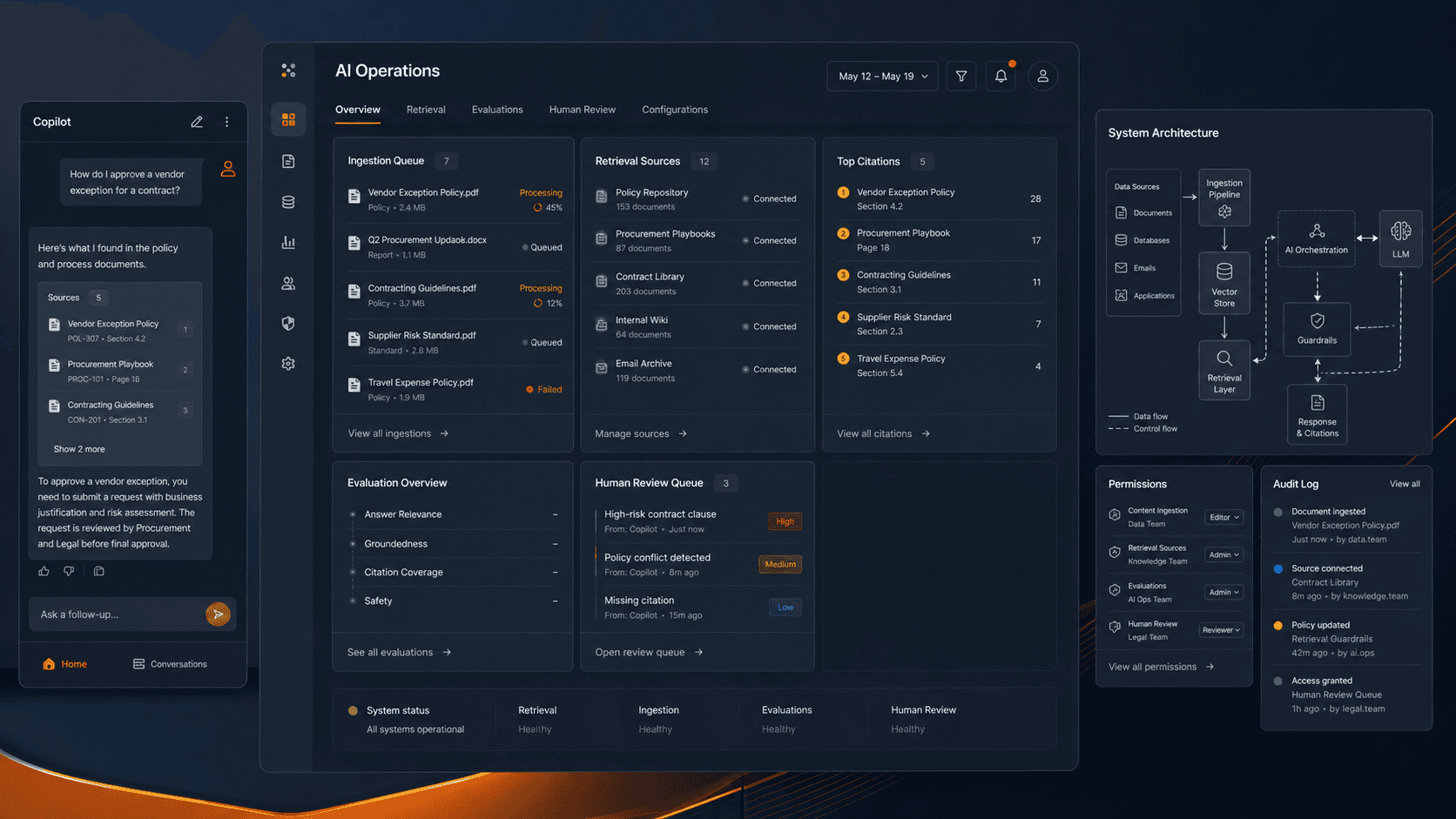
Map prompts, uploaded images, voice or likeness assets, generated clips, support logs, and billing events through every service that receives them. Establish current provider retention and training-use terms instead of assuming a private-branded interface means private processing. Your application’s deletion action may not delete provider-held data immediately. Explain supported deletion paths, exceptions, and retention boundaries to the workspace owner.
Protect tenant data and service credentials independently. Users should not choose another workspace’s asset identifier, retrieve its job, or export its video. Test revoked members, expired links, administrative impersonation, and support access. Define backup recovery and retention for project evidence without keeping unnecessary sensitive uploads indefinitely. Client-specific confidentiality requirements may exclude some providers or workflows altogether.
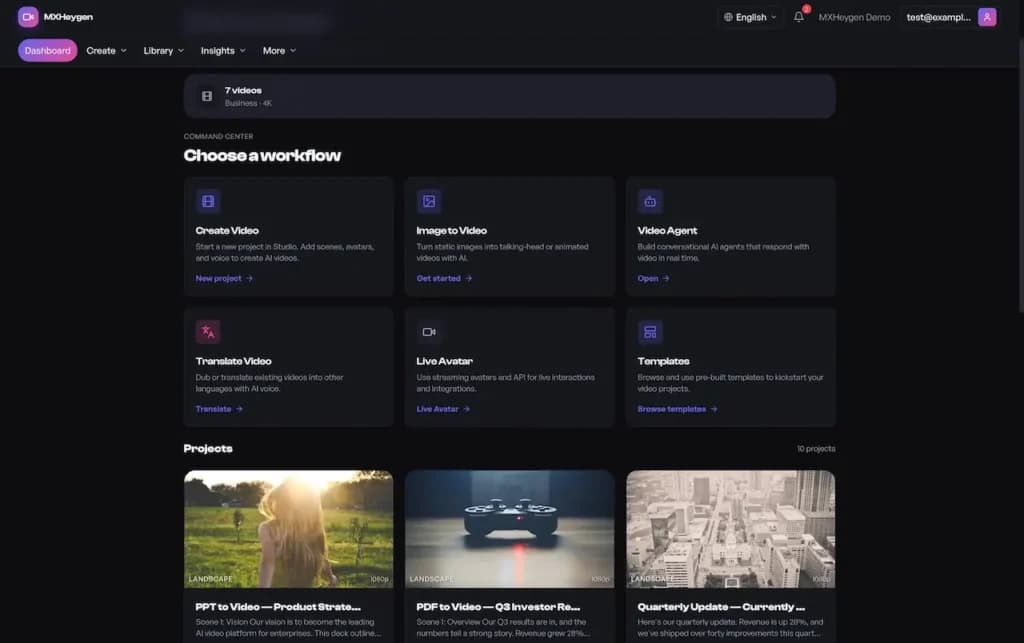
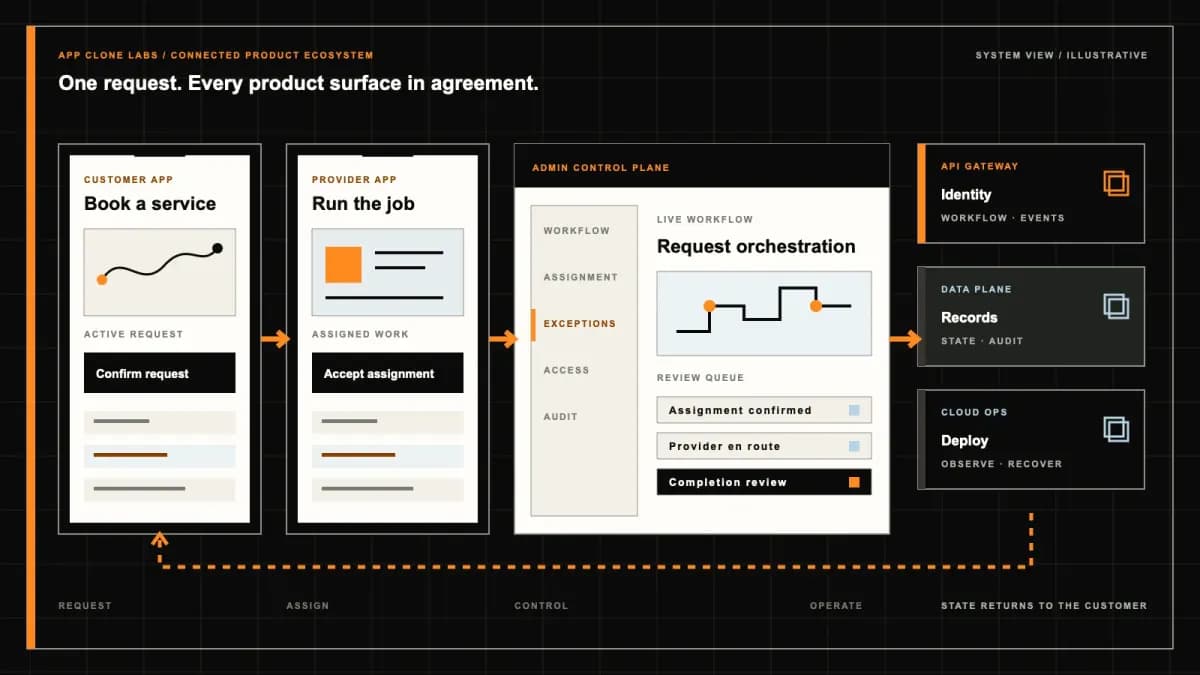
Use Generative AI development to assess custom review, provider routing, or business-system integration beyond the foundation. Ask to see a failed job, duplicate notification, quota block, consent rejection, unapproved export, and deletion request in the walkthrough. The reference screenshot demonstrates workspace organisation only; it is not proof of model access, generated quality, or production controls.